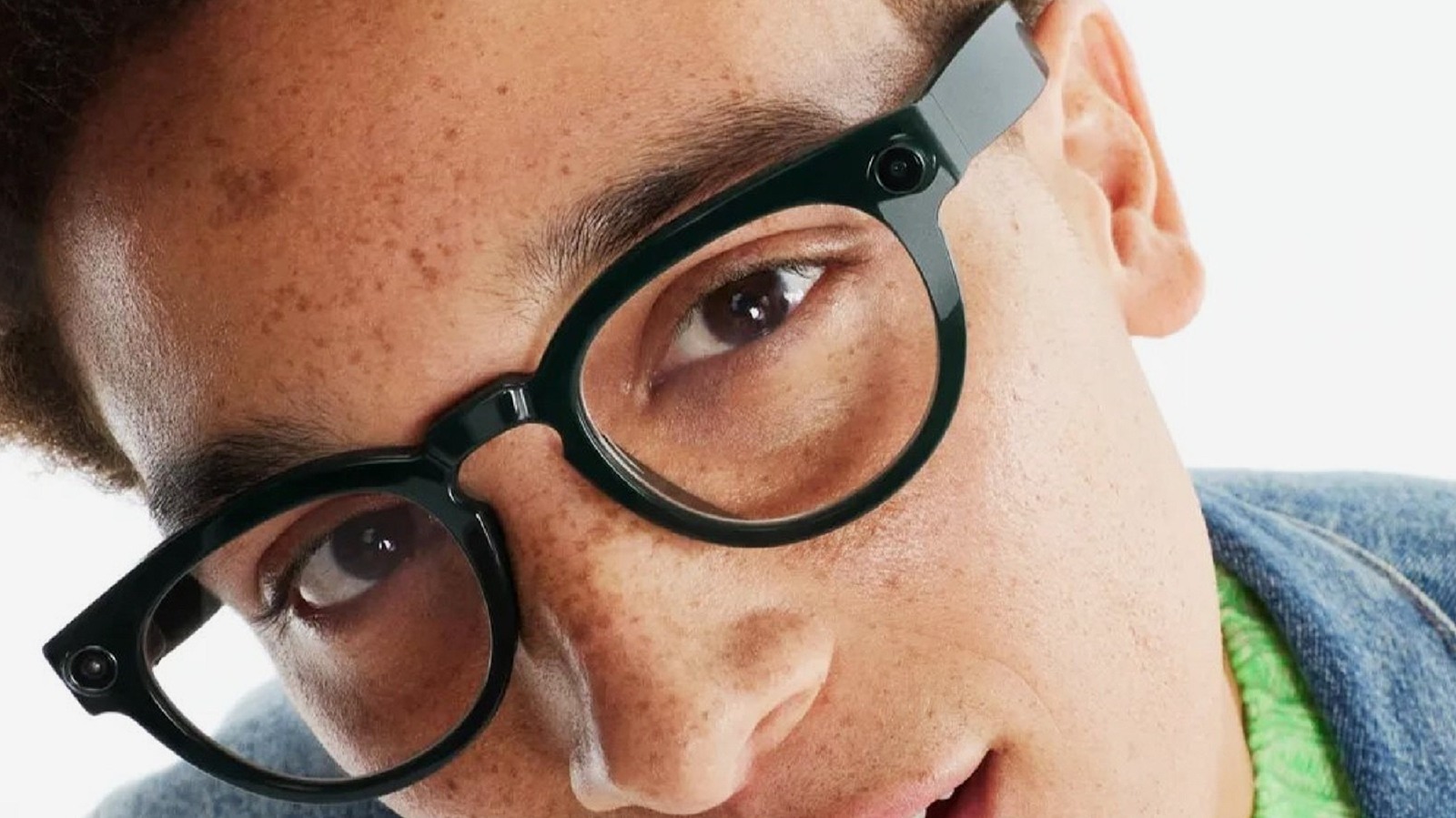
Google is preparing a new smart glasses lineup, starting with audio-only models in the fall and later adding display-equipped versions, AI features via Gemini Live, and tighter integration with phones and Wear OS watches. The product is positioned to compete with Meta's Ray-Ban glasses and could improve on them with better audio, contextual AI, and smartwatch connectivity. While strategically positive for Google and its hardware ecosystem, the article is largely product roadmap commentary and is unlikely to have an immediate material market impact.
This is less a “new device” story than a distribution story: Google is using eyewear to extend Gemini into a higher-frequency, lower-friction interface than phones, which increases query volume and ambient data capture. If execution is decent, the economic prize accrues first to the platform owner (GOOGL) because smart glasses can deepen search, assistant, and Android lock-in while creating a new surface for ad and commerce intent. The second-order winner is WRBY, not because of optics demand alone, but because a fashion-first channel lowers adoption friction and helps normalize the category outside of early adopters; that matters more than raw unit shipments in year one.
Meta’s risk is not immediate share loss in eyewear revenue; it is strategic dilution of its “best AI companion device” narrative. If Google couples glasses with Wear OS and Android, it can create a cross-device loop Meta cannot match without a phone OS, which shifts the battle from hardware specs to ecosystem stickiness over the next 6-18 months. The more important loser could be smaller AR point-solution vendors and commodity audio/wearable accessory makers, as the category consolidates around two software-led ecosystems and compresses the value of standalone hardware features.
The key catalyst path is staged: audio-only launch is a proof point over the next few months, while any display-enabled roadmap is a 2026-2027 event. The main tail risk is privacy backlash or mediocre battery/audio quality causing the product to remain a niche accessory, which would cap the multiple expansion case for WRBY and limit the strategic upside for GOOGL. A subtler risk is antitrust scrutiny if the glasses become a privileged gateway to search and Gemini defaults, especially if Google begins bundling features too aggressively across hardware partners.
Consensus is probably underestimating how quickly smart glasses can become a habit-forming interface even without a display; the killer feature may be context retention, not AR theatrics. Conversely, the market may be overestimating near-term TAM if consumers treat them like premium earbuds with a camera rather than a must-have computing layer. The asymmetry favors a measured long GOOGL view versus a less certain hardware monetization story, with META vulnerable only if Google demonstrates better assistant utility, not just better hardware.
AI-powered research, real-time alerts, and portfolio analytics for institutional investors.
Request DemoOverall Sentiment
moderately positive
Sentiment Score
0.35
Ticker Sentiment
