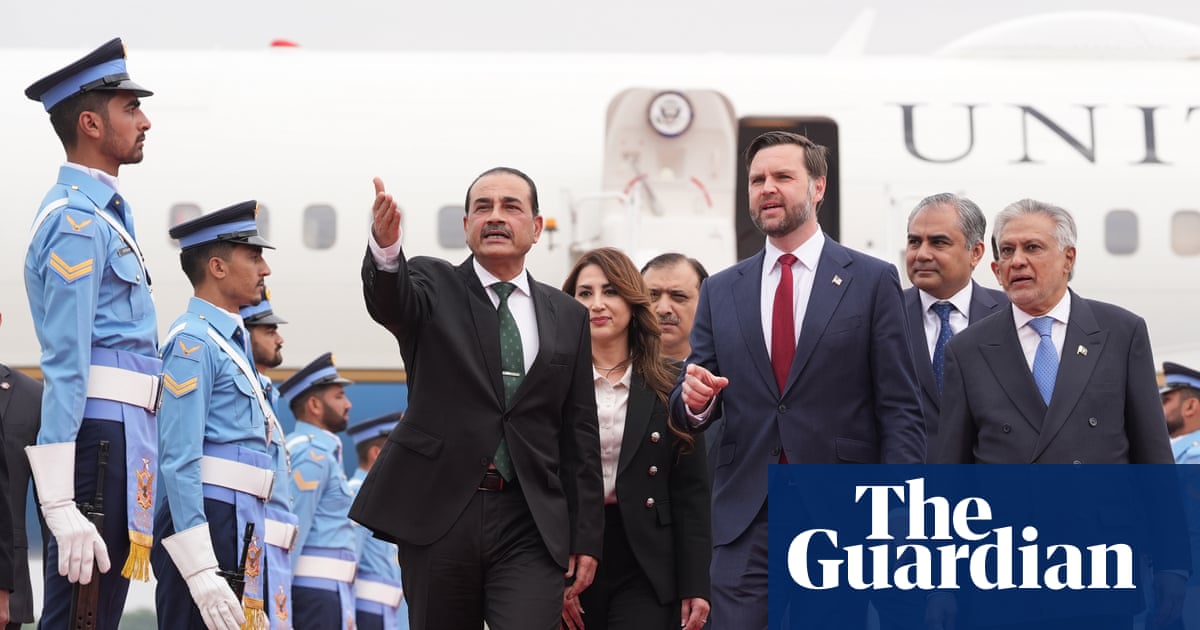
Pakistan is positioning itself as a mediator between the US and Iran, with Islamabad potentially hosting a second round of talks this week and even a possible signing ceremony if a deal is reached. The article highlights regional risks around the Strait of Hormuz, Pakistan’s dependence on Gulf energy supplies, and its use of military and diplomatic ties to gain greater global stature. The near-term market impact is mainly geopolitical, with implications for energy flows and Pakistan’s investment appeal rather than an immediate direct asset-price catalyst.
Pakistan’s real asset here is not mediation skill but optionality: it is monetizing its position as a rare channel that both Washington and Tehran can use without immediate domestic blowback. That creates a short-lived uplift in Pakistan’s strategic relevance, but the marketable part of that uplift is mostly in external financing, defense relationships, and Gulf goodwill rather than in near-term domestic growth, which remains constrained by power shortages and fragile reserves.
The second-order effect is on energy logistics and risk premia. Any credible de-escalation in the Hormuz theater should compress Gulf shipping insurance, lower regional crude volatility, and ease the implicit war premium embedded in Asia refiners and import-dependent sovereigns; conversely, a failed summit would rapidly reprice those same channels within days, not months. Pakistan itself is less a direct beneficiary than a conduit for lower regional risk, so the upside in its sovereign paper is more from signaling than from fundamentals.
The contrarian read is that the biggest winner may be the United States’ flexibility, not Pakistan’s influence: if this process stalls, Washington still likely preserves the option to bypass Islamabad once it has extracted the diplomatic utility. That makes Pakistan’s current premium fragile. Over a 1-3 month horizon, any meaningful gain in FX, sovereign spreads, or foreign direct investment would likely require concrete follow-through on domestic reforms, otherwise the narrative reverts to geopolitics without balance-sheet improvement.
AI-powered research, real-time alerts, and portfolio analytics for institutional investors.
Request DemoOverall Sentiment
neutral
Sentiment Score
0.05
