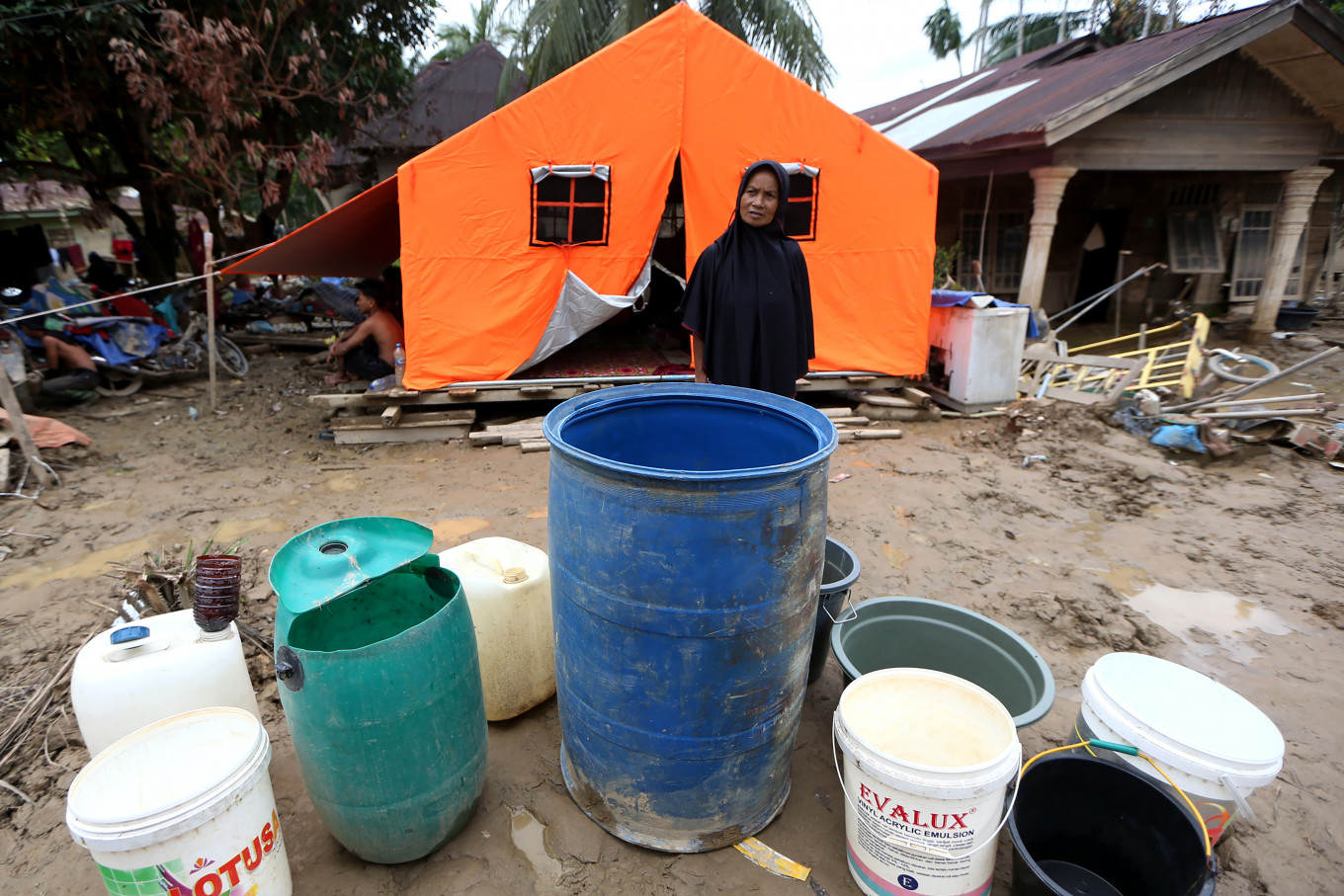
Severe flash floods hit Aceh, North Sumatra and West Sumatra in late November, prompting numerous offers of foreign assistance that President Prabowo Subianto publicly rejected on Dec. 15; Home Minister Tito Karnavian clarified on Dec. 19 that aid would be accepted only via international organizations or non-governmental channels rather than through bilateral government-to-government arrangements. The policy reflects a deliberate political calculation to protect sovereignty and avoid perceived foreign influence or political strings, favoring multilateral mechanisms that limit bilateral leverage and preserve Indonesia’s control over distribution and reconstruction priorities, with potential diplomatic implications but limited direct market impact.
Market structure: Short-term winners are Indonesian domestic construction and building-materials firms (local contractors, cement and aggregates) and global heavy-equipment suppliers if import rules remain open; losers include bilateral-donor contractors, some reinsurers facing catastrophe payouts, and broad Indonesia equity risk (EIDO) if political friction raises risk premia. Expect a 3–9 month uplift in construction demand concentrated in Aceh/North Sumatra recovery corridors; pricing power will favor local firms if procurement favors domestic suppliers, while imported-equipment margins compress if tariffs/registration slow imports.
Risk assessment: Tail risks include a diplomatic spat with major donors (US/China) that could widen sovereign spreads by >50–100bps and depress IDR >5% in a stress episode, or a slow multilateral response delaying reconstruction 6–12 months depressing domestic growth by 0.1–0.3ppt. Immediate (days) risk: logistics disruption; short (weeks–months): delayed cash flows to contractors; long (quarters–years): policy changes (local-content rules) altering competitive landscapes. Hidden dependencies: insurance/reinsurance flowbacks, donor conditionality via UN agencies, and election-cycle politics that could accelerate spending or protectionism.
Trade implications: Direct tactical longs should target Indonesian mid-cap contractors and cement (3–9 month horizon) while hedging sovereign/FX risk; short or hedge country ETFs (EIDO) tactically if IDR moves >1.5% weaker or 10-year spread +25bps. Use puts on EIDO or IDR forwards for downside protection; consider long positions in CAT (3–6 months) sized small (1–2% AUM) to capture incremental equipment orders if imports proceed.
AI-powered research, real-time alerts, and portfolio analytics for institutional investors.
Request DemoOverall Sentiment
neutral
Sentiment Score
0.00
Contrarian angles: Market may overprice geopolitical fallout—if multilateral aid scales quickly, reconstruction spending could be larger and faster than priced, benefiting domestic contractors by 20–40% revenue uplifts in 12 months. Conversely, if government enforces strict local-content rules, foreign-equipment vendors could be the unexpected losers; monitor procurement rules published in 30–60 days as the key inflection for positioning.
