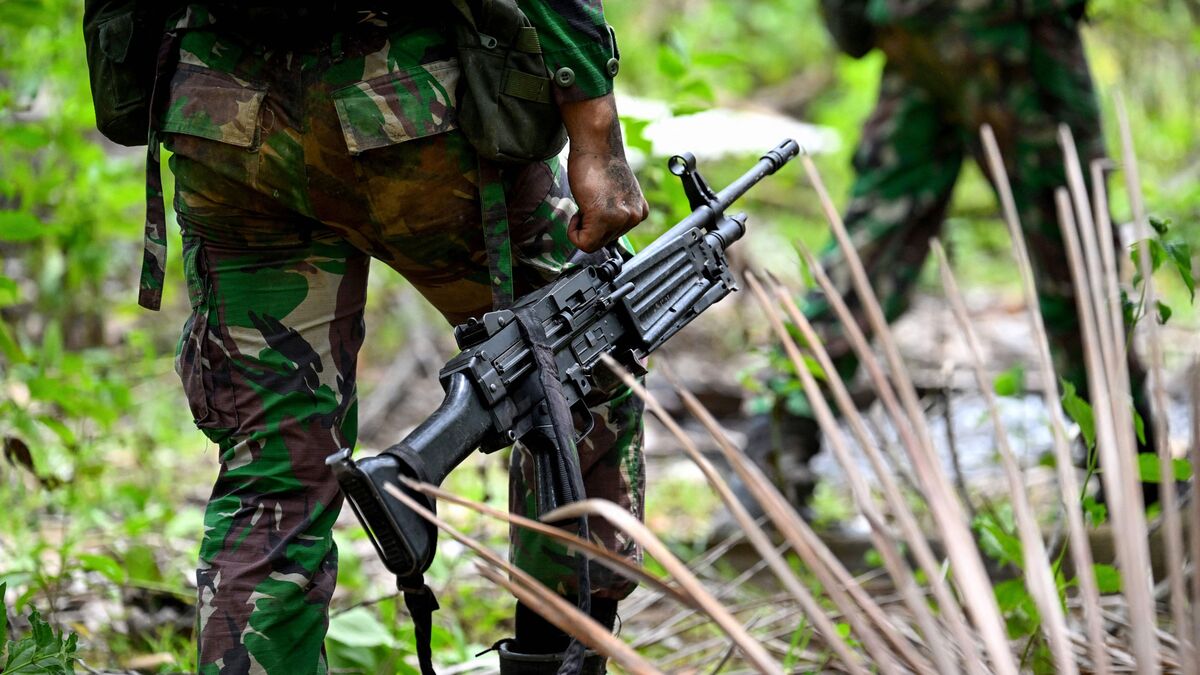
Indonesia has initiated its most significant military overhaul in decades, establishing over 20 new regional commands across its army, navy, and air force. This expansion coincides with a sharp increase in defense spending under President Prabowo Subianto, a former general, and raises concerns about growing military influence, echoing the extensive territorial network seen during the Suharto era.
Indonesia is executing its most significant military restructuring in decades, establishing over 20 new regional commands for its army, navy, and air force. This overhaul, the largest since the Suharto era, is driven by a sharp increase in the national defense budget under the new administration of President Prabowo Subianto, a former general. The development signals a material shift in fiscal priorities towards defense and security. Critically, the article highlights mounting concerns regarding the expansion of military influence in the country's governance, drawing parallels to the military's extensive territorial control during the previous authoritarian regime. While the direct market impact is assessed as low-to-moderate and sentiment is neutral, the underlying themes of increased state spending on defense and potential political centralization introduce notable macroeconomic and political risk factors for investors to monitor.
AI-powered research, real-time alerts, and portfolio analytics for institutional investors.
Request DemoOverall Sentiment
neutral
Sentiment Score
-0.05
