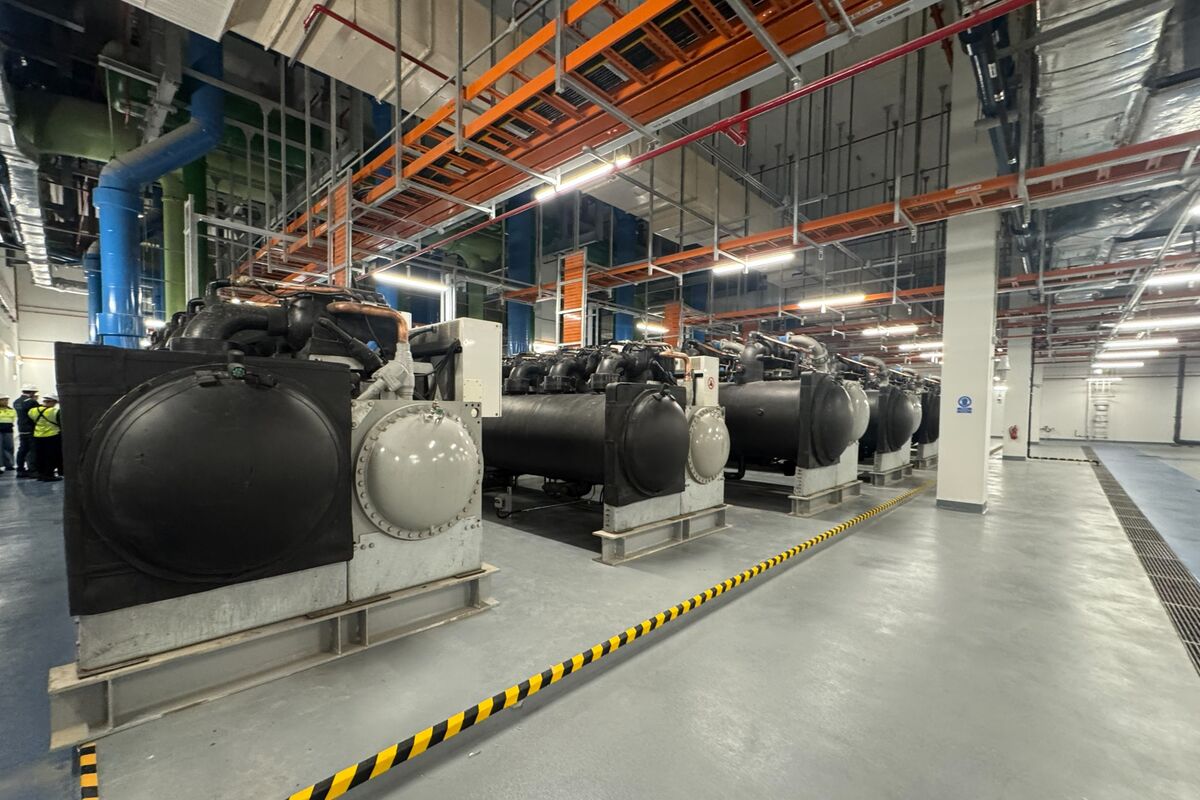
Singapore is using an underground cooling system based on 19th century technology to reduce modern-day heat while lowering emissions. The article frames the system as a practical climate-adaptation solution for a hot urban environment. Overall impact is limited and largely informational, with no specific company, policy, or market data cited.
The market implication is not the cooling technology itself, but the repricing of urban resilience as a capital-allocation priority. In hot, land-constrained cities, subterranean district-cooling is a demand-shaving asset: it reduces peak electricity load, lowers backup-generation needs, and extends the life of the grid without the political friction of visible new infrastructure. That creates a quiet beneficiary set in engineering, controls, and utility infrastructure rather than in flashy climate names.
Second-order winners are the pick-and-shovel providers: firms with exposure to pumps, heat exchangers, valves, insulation, digital monitoring, and underground civil works. The more important effect is on municipal capex sequencing—once one city demonstrates lower operating cost and lower outage risk, peers in the region may prefer retrofits and district systems over incremental generation, especially where land values make surface cooling inefficient. The loser set is traditional distributed HVAC retrofit vendors if the model scales, because centralized cooling compresses unit growth while shifting spend toward long-duration contracts and maintenance.
The catalyst path is multi-year, but the trade can start sooner through policy and weather. A hotter-than-average summer, grid stress event, or government decarbonization target can pull forward adoption and re-rate infrastructure themes within 3-6 months. The key reversal risk is execution: these systems are capital intensive, require high utilization to earn acceptable returns, and can face cost overruns or permitting bottlenecks, so enthusiasm should fade if utilization data or project economics disappoint.
Contrarian view: the consensus may overfocus on climate virtue and underfocus on operating leverage. The real economic edge is not emissions reduction per se, but the ability to monetize heat management as a quasi-essential service in dense Asian cities. If that thesis proves right, the best risk-adjusted exposure is not broad ESG beta, but selected infrastructure and industrial names with recurring maintenance revenue and municipal visibility.
AI-powered research, real-time alerts, and portfolio analytics for institutional investors.
Request DemoOverall Sentiment
mildly positive
Sentiment Score
0.15
