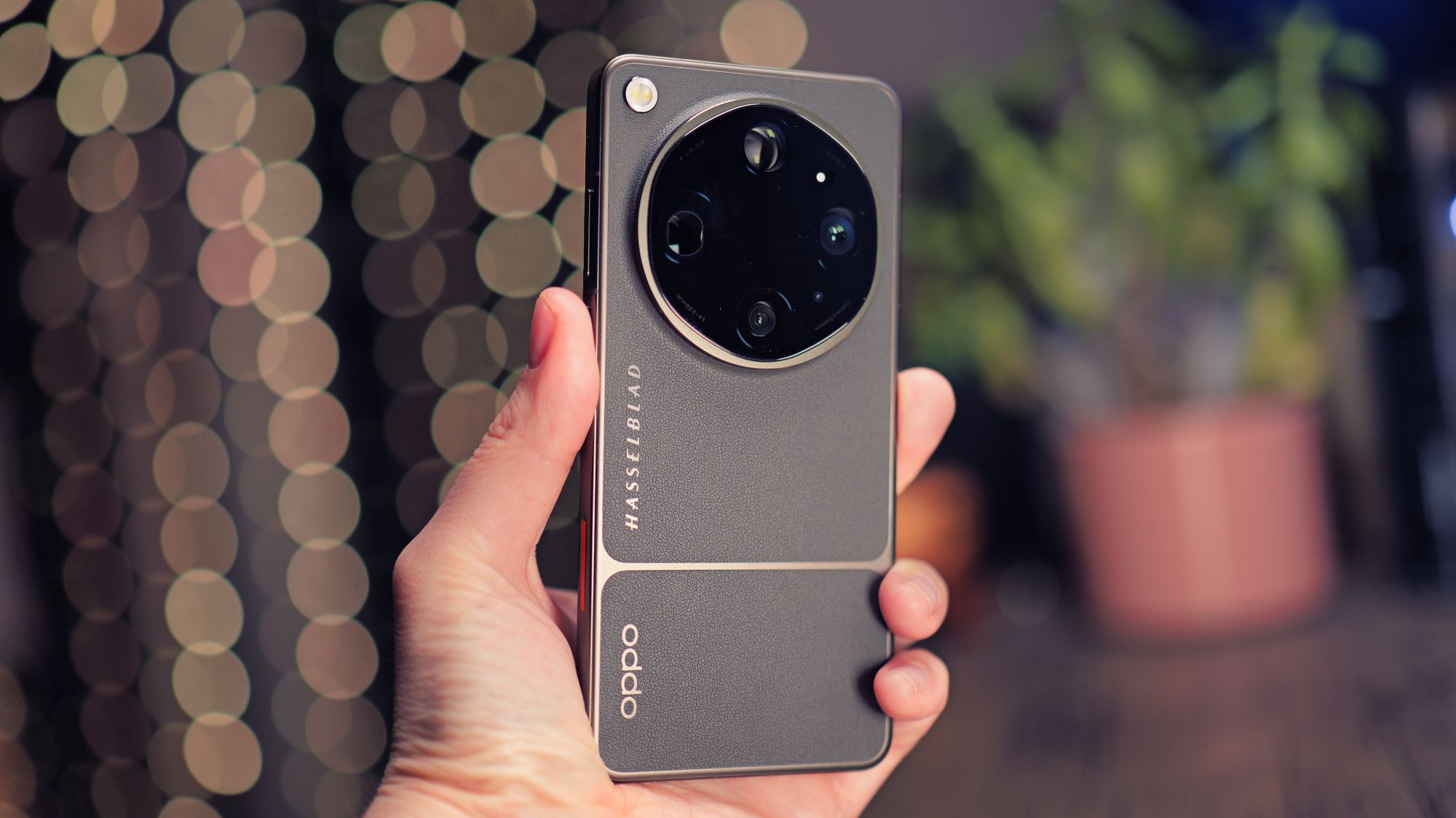
Oppo's Find X9 Ultra launches globally at £1,449 for 12GB+512GB, with retail availability starting May 8, 2026 and no US release. The device is presented as one of the best camera phones ever tested, featuring a 200MP main camera, 200MP 3x telephoto, 50MP 10x telephoto, Snapdragon 8 Elite Gen 5, a 7,050mAh battery, and 100W wired charging. The review is highly favorable overall, but the price, large size, and limited US availability temper broader market relevance.
This is less a handset review than evidence that the premium Android race is shifting from specs-as-marketing to a higher-value mix of imaging, AI workflow, and accessory ecosystem. That is supportive for Qualcomm first: Oppo’s willingness to anchor a global halo device around Snapdragon’s top bin reinforces the company’s pricing power in the very segment where OEMs are most willing to absorb BOM inflation. It also highlights a subtle but important dynamic for Apple: the copying of iPhone-like controls and UI is no longer a brand threat, but a sign that Android flagships are converging on Apple’s interaction model while trying to leapfrog on camera utility.
The bigger second-order winner is likely Google, not because Gemini is best-in-class here, but because premium OEMs are increasingly turning AI into a cross-device glue layer rather than a standalone feature. If Mind Space and multi-model routing mature, the user experience becomes a persistent assistant layer that increases switching costs and potentially raises the value of Android account identity, search, and cloud services. The risk is execution: if the AI features remain flaky or gimmicky, the launch story reverts to a one-cycle camera upgrade, which is less durable and easier for competitors to match over 6-9 months.
For Apple, the read-through is mixed. Oppo’s success in making large, pro-style imaging phones feel desirable globally reinforces that consumers will pay for aspirational hardware, but it also compresses the differentiation window for iPhone Pro camera marketing. The more relevant signal is that accessories, computational photography presets, and creator workflows are becoming monetizable attach points; that is a favorable setup for high-margin ecosystem revenue, but only if Apple keeps advancing its own pro video stack faster than Android peers. Near term, the launch should support sentiment in the premium Android cluster more than it changes broader smartphone demand, which remains replacement-cycle constrained.
AI-powered research, real-time alerts, and portfolio analytics for institutional investors.
Request TrialOverall Sentiment
strongly positive
Sentiment Score
0.72
Ticker Sentiment
