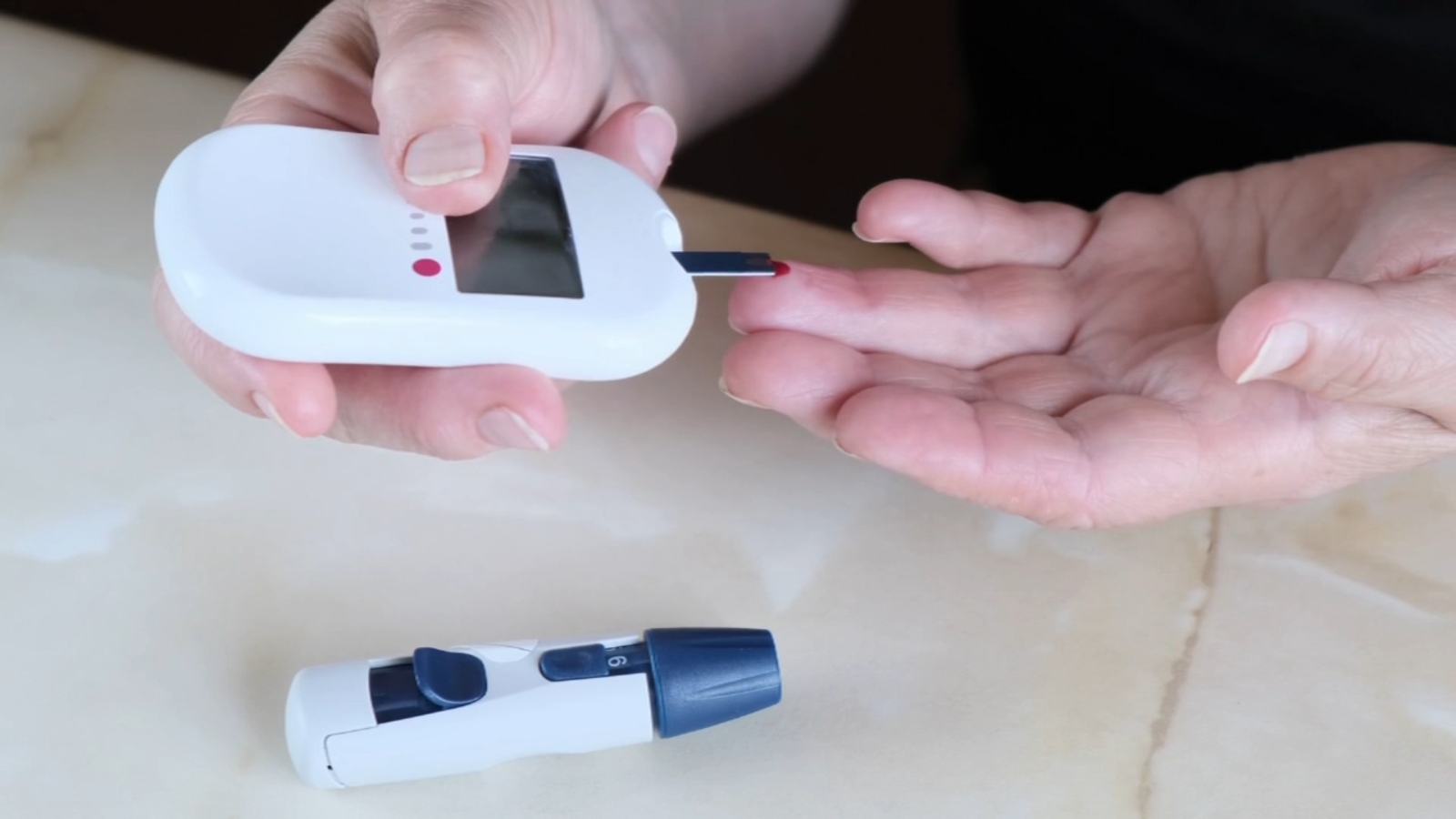
The article says erectile dysfunction affects an estimated 30 to 50 million men, and roughly 70 million Americans when partners are included, with Type 2 diabetes more than tripling the risk. Dr. Jay Simhan emphasizes ED can be an early warning sign of undiagnosed or poorly controlled diabetes and notes about 95% of cases are treatable with early diagnosis, medication, and lifestyle changes. The piece is informational and has little direct market impact.
The investment angle is not the symptom itself; it’s the downstream acceleration in diabetes discovery. ED is a high-friction, low-cost trigger for earlier PCP/urology touchpoints, which should modestly improve diagnosis rates for undermanaged metabolic disease and pull forward demand for A1c testing, CGM initiation, antihyperglycemics, and vascular-risk workups over the next 6-18 months. The second-order effect is that the market tends to underweight “gatekeeper” presentations that create chronic-care conversion, especially when the patient is not yet in the endocrine system. The most exposed beneficiaries are companies with leverage to earlier detection and longitudinal diabetes management rather than acute ED treatment. Diagnostics, primary-care workflow tools, and diabetes medication franchises gain the most if this behavior shift meaningfully increases newly recognized type 2 diabetes; the opportunity is in lifetime value expansion, not one-off visits. The likely loser is complacency in downstream care: if vascular damage is already present, the treatment window narrows, which reduces the odds of outsized incremental prescription growth from late-stage intervention. Contrarian view: this is probably not a near-term revenue catalyst for any single public name unless it becomes part of a broader men’s health screening campaign. The consensus may overestimate immediate conversion and underestimate stigma and inertia; most of the economic benefit accrues only if PCPs systematically add screening and follow-up, which is a multi-quarter behavior change. So the trade is better expressed as a basket or pair around chronic diabetes management and diagnostic utilization, not a headline-driven directional bet.
AI-powered research, real-time alerts, and portfolio analytics for institutional investors.
Request DemoOverall Sentiment
neutral
Sentiment Score
0.05
