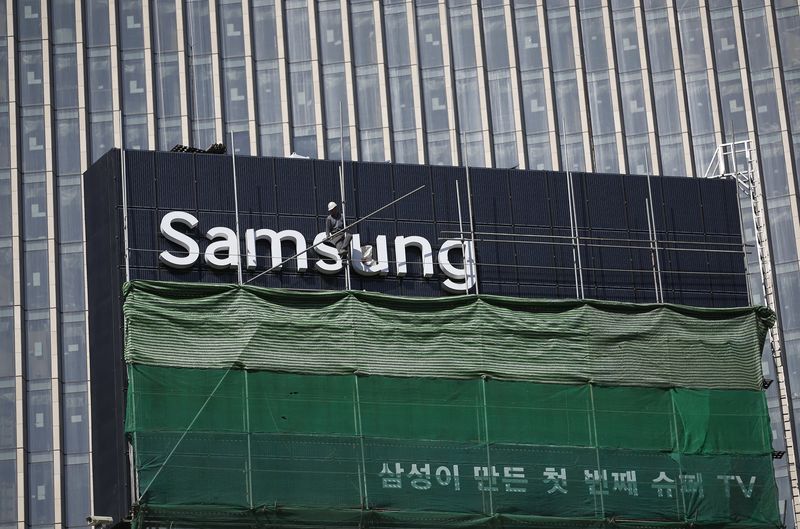
Micron shares rose 3.9% premarket and SanDisk gained 2.2% as a planned strike by 48,000 Samsung workers raised concerns about semiconductor supply. Analysts said DRAM and NAND supply should remain well below demand through 2026 and likely 2027, supporting elevated pricing. Samsung shares were volatile, closing up 0.2% after falling as much as 4% intraday.
The immediate read is not “Samsung down, competitors up,” but a broader tightening of the memory supply chain at exactly the point where inventories are already normalizing. If labor disruption meaningfully constrains output, the first-order benefit accrues to pricing power, but the second-order winner is the vendor with the cleanest bit growth exposure and the least customer concentration risk — which likely favors SNDK more than MU on a relative basis, while also supporting SK Hynix as a less-obvious beneficiary through industry price discipline.
The market may be underestimating duration: a strike headline can move the tape in days, but memory pricing responds over quarters as channel buyers pull forward orders and OEMs rebuild safety stock. That creates an asymmetric setup where even a temporary production hit can lift forward ASP expectations for 1-2 quarters, especially if buyers fear another disruption and over-order into the next procurement cycle. The risk is that management can partially offset lost output by redeploying labor or prioritizing higher-margin products, limiting the impact on bits shipped while still leaving sentiment improved.
Contrarianly, the move in the stocks may already be discounting the easy part. If this is primarily a wage/bonus dispute rather than a structural labor breakdown, the probability of a rapid settlement is high, and the bigger trade is not the strike itself but the signal that supply remains tight into 2026-2027. That argues for treating any pullback as an entry point into memory names rather than chasing a headline spike, with the best risk/reward in structures that benefit from modestly higher prices rather than a full-blown supply shock.
The key risk to the thesis is demand elasticity: if PCs, smartphones, or AI-related ordering softens into the next quarter, the market could conclude that supply tightness is being met by weaker end demand rather than stronger pricing. In that case, the trade flips from a pricing story to a cyclical one, and the stocks can give back gains quickly even if the strike persists. The highest-probability failure mode is not lower NAND/DRAM pricing, but a settlement that removes the catalyst before investors have fully repositioned, leaving the sector dependent on fundamentals alone.
AI-powered research, real-time alerts, and portfolio analytics for institutional investors.
Request DemoOverall Sentiment
mildly positive
Sentiment Score
0.25
Ticker Sentiment
