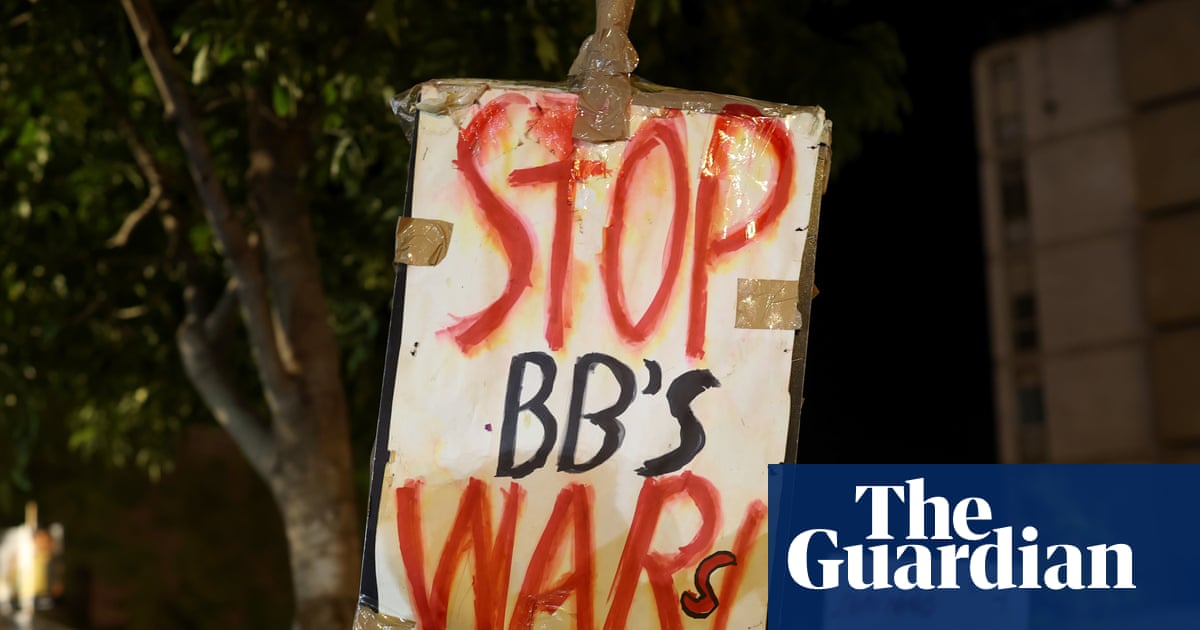
The article says Trump is negotiating a deal that could reopen the Strait of Hormuz for oil tankers, but Israeli commentators believe the terms are far less restrictive than the 2015 JCPOA and may leave Iran stronger. Israel is alarmed that it was excluded from the talks, while domestic support appears to be slipping as the war drags on without the regime-change outcome Netanyahu promised. The geopolitical backdrop remains highly market-sensitive given the implications for Middle East stability, oil flows, and regional military escalation.
The market implication is not the conflict itself, but the widening gap between battlefield optics and end-state leverage. If Washington is signaling openness to a softer Iran arrangement, the highest-probability outcome is a de-escalation trade that compresses geopolitical risk premium in crude and boosts the odds of a rebound in shipping, airlines, and broad risk assets within days to weeks. The larger second-order effect is that Israel’s deterrence narrative gets challenged, which raises the odds of more unilateral actions later this year if domestic politics force a compensating move.
Energy is the most immediate transmission channel. A deal that leaves Iranian barrels and funding pathways more intact than the market expected is bearish for front-end Brent/WTI, but the bigger issue is volatility: the market will likely price a wider range of outcomes around Hormuz and regional proxy activity, keeping implieds elevated even if spot softens. That favors short-dated volatility selling after initial headline spikes, but only if tanker flows and satellite/insurance data confirm stability; otherwise any dip is likely to be bought on escalation risk.
For equities, the underappreciated loser is Israel-linked defense and security spending beneficiaries with near-term expectations inflated by war demand that may not fully materialize if the US forces restraint. Conversely, defense primes with diversified US/Europe budgets are less exposed than tactical Israel-specific suppliers. The contrarian read is that the market may be overpricing a clean peace dividend: if Netanyahu is boxed in domestically, the probability of a fresh escalation in Lebanon or a covert campaign rises over the next 1-3 months, which would quickly reintroduce risk premium into energy and defense names.
AI-powered research, real-time alerts, and portfolio analytics for institutional investors.
Request DemoOverall Sentiment
strongly negative
Sentiment Score
-0.60
Ticker Sentiment
