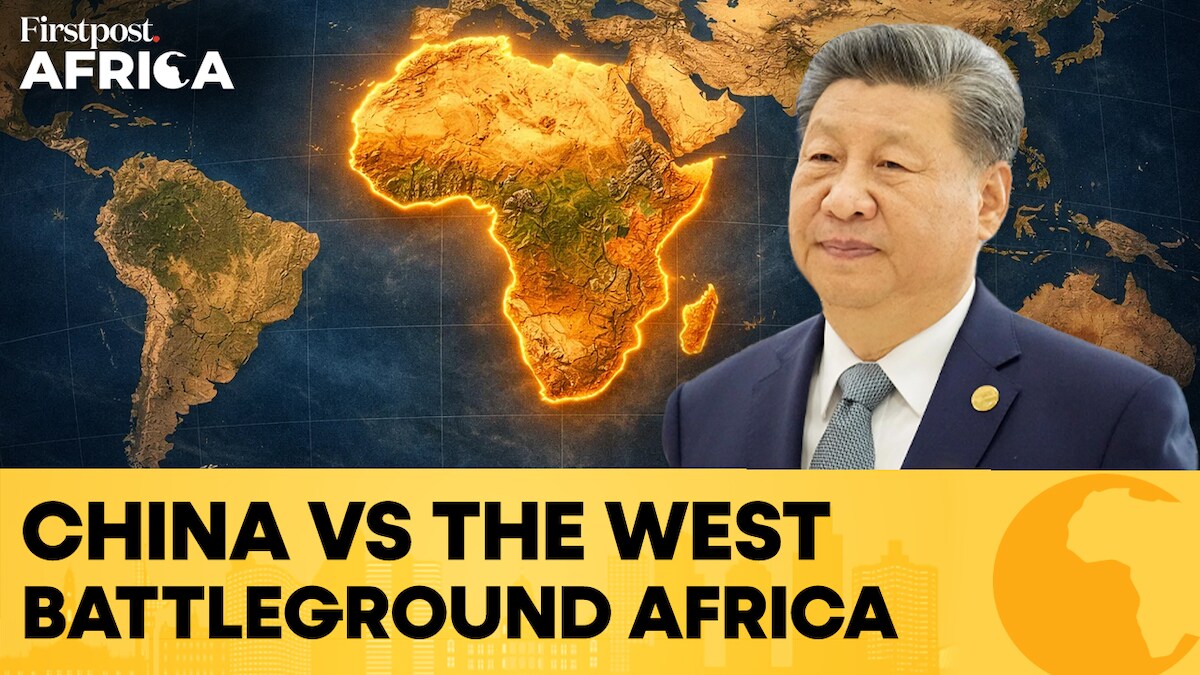
China's foreign minister Wang Yi is on an annual New Year tour of East Africa—visiting Ethiopia, Somalia, Tanzania and Lesotho—with an agenda to deepen diplomatic and economic ties, secure trade corridors toward the Suez Canal and bolster Chinese-backed infrastructure. The trip aims to reassure Somalia after Israel's recognition of Somaliland, reinforce relations with the African Union in Ethiopia, highlight the China-supported TAZARA railway as an alternative logistics corridor in Tanzania, and offer tariff-free access to Lesotho; these moves signal a strategic push to expand Chinese influence and logistics footprint in the Horn of Africa, relevant to investors tracking regional infrastructure, ports and Belt-and-Road exposure, though immediate market impact is limited.
Market structure: China’s concentrated push into the Horn and East Africa favors Chinese SOE contractors, African port/rail operators and commodity exporters (metals, energy, cement) that feed construction. Expect incremental regional demand for bulk shipping and copper/iron ore over 12–36 months (a localized 2–5% demand lift for select corridors), which supports pricing power for miners and freight owners while pressuring Western logistics margins on competitive tenders.
Risk assessment: Tail risks include a Suez‑corridor disruption or Horn instability that could spike container rates 20–50% and sharply reroute volumes for 1–3 months; sovereign debt distress in partner countries could impair project cashflows over 1–4 years. Near term (days–weeks) watch FX and shipping indices for volatility; medium (3–12 months) for contract awards/loan guarantees; long term (2–5 years) for completed capex and realized commodity demand. Hidden dependencies: Chinese credit cycle and political stability in recipient states — both are binary catalysts.
Trade implications: Tactical plays favor commodity and freight exposure and Africa equity ETFs over standalone developer equity. Prioritize 3–12 month exposures to container/shipping names and copper/mining producers (anticipate higher freight and bulk commodity premiums if Beijing funds multiple corridor projects). Use option structures to limit downside on event risk around announcements.
Contrarian angles: Consensus overlooks credit sustainability — historical BRI parallels (e.g., Sri Lanka) show asset seizure/debt renegotiation risk, which can reverse equity gains. The market may underprice the probability (20–40%) of delayed payments/defaults; if that materializes, construction OEMs and China‑linked banks could face earnings shocks even as raw‑commodity prices briefly pop.
AI-powered research, real-time alerts, and portfolio analytics for institutional investors.
Request DemoOverall Sentiment
mildly positive
Sentiment Score
0.12
