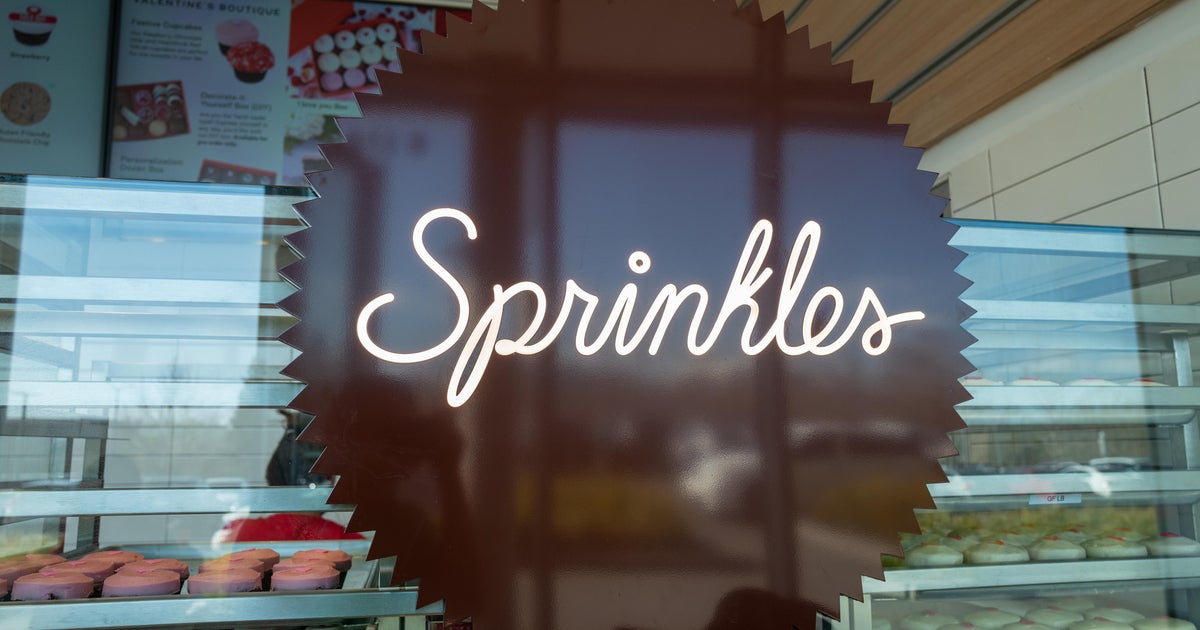
Sprinkles Cupcakes founder Candace Nelson confirmed via Instagram that the bakery chain will permanently close all locations, with closures beginning immediately; Nelson sold the company to a private-equity group in 2014. Founded in 2005 in Beverly Hills, Sprinkles expanded to multiple states, operated at least nine California stores and 10 ATM vending machines, and opened its first out-of-state store in Dallas in 2007; current owners have not commented. The shutdown signals a full wind-down of the brand and could imply a write-down or strategic failure for the private-equity ownership, with localized retail and employment impacts.
Market structure: Sprinkles’ permanent closures are a localized signal that small-format, discretionary F&B concepts—especially PE-owned rollups with thin margins and capex-heavy gimmicks (ATM vending machines)—are vulnerable. Winners are large, scale-driven chains (MCD, SBUX) and grocery/private-label bakeries that can absorb fixed-cost customers; losers are small chains, franchisors with high royalty reliance, and PE sponsors with leverage. Expect modest share reallocation over 6–18 months: national players can capture 1–3% incremental foot traffic in affected micro-markets, pressuring independents further.
Risk assessment: Tail risks include contagion among PE-backed retail roll-ups (systemic for small-cap credit markets) and sudden consumer-spend shocks from recession scenarios; probability low-medium but impact material for HY retail spreads. Immediate (days) impact is sentiment; short-term (weeks–months) could widen sub‑investment grade spreads by 25–100bp in the consumer discretionary cohort; long-term (quarters) could accelerate consolidation and price increases at scale operators. Hidden dependencies: lease liabilities, franchise agreements, and local real estate disposals may surface off‑balance liabilities for owners.
Trade implications: Prefer defensive rotation—increase weight to large-cap restaurants and staples (MCD, SBUX, KO) and reduce small-cap restaurant exposure (RRGB, SHAK). Use options to express asymmetric views: buy 3‑month put spreads on small-cap restaurant tickers and sell covered calls on high-quality chains to fund buys. Fixed income: shift 1–3% portfolio from HYG into LQD or short-dated IG credit protection if consumer discretionary HY spreads move >50bp wider.
Contrarian angles: Consensus treats this as idiosyncratic; but PE failure here foreshadows valuation multiple compression for leveraged roll-ups across retail. If macro remains benign, closures could create franchising arbitrage—acquirers can buy prime leases and IP at 30–60% discounted multiples within 6–12 months. Reaction may be underdone in credit markets; there is a 20–40% upside for select regional bakery acquirers and distressed REITs that can consolidate footprints quickly.
AI-powered research, real-time alerts, and portfolio analytics for institutional investors.
Request DemoOverall Sentiment
strongly negative
Sentiment Score
-0.60
