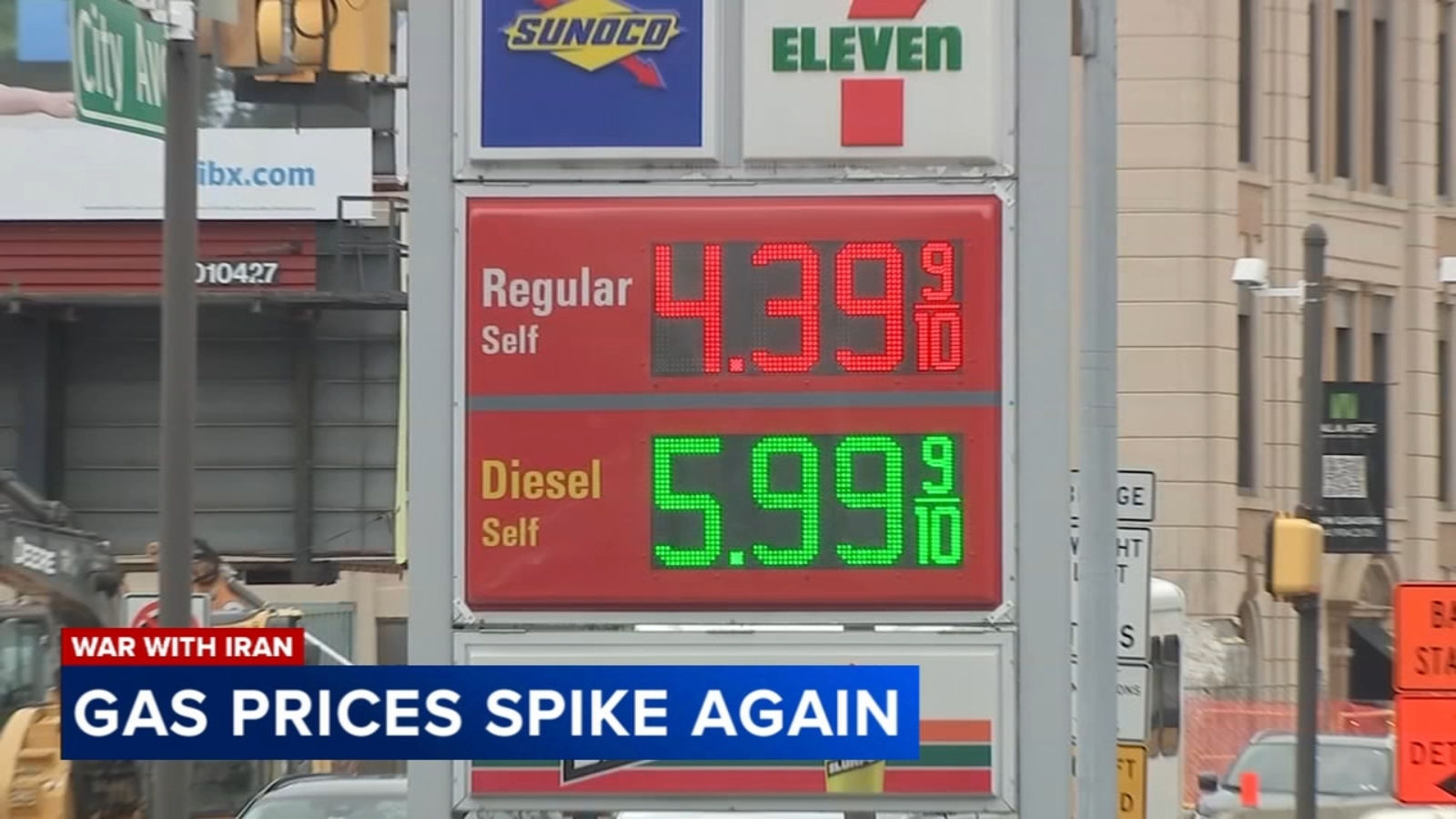
Philadelphia-area gasoline prices have jumped to $4.27 per gallon, up 15 cents overnight and 23 cents over the past week, with some stations charging as much as $4.59. AAA said the spike is being driven by geopolitical tensions tied to Iran and Strait of Hormuz disruptions, which have pushed crude above $100 per barrel. The move is pressuring consumers, especially those on fixed incomes, and could keep fuel costs elevated regionally and more broadly.
This is a near-term inflation impulse, not just an energy headline. The first-order effect is obvious, but the second-order move is in consumer discretionary and transport margins: households absorb the shock immediately, yet spending cutbacks typically show up with a lag of 2-6 weeks in lower-ticket retail, dining, and rideshare demand. That creates a cleaner short opportunity in the “gas tax” losers than in energy itself, because upstream oil has already repriced on the geopolitical tail risk while downstream demand elasticity is slower to fully emerge.
The market is also underestimating how quickly localized price spikes can feed into inflation expectations even if national CPI barely moves. Regional gasoline surges tend to pressure sentiment and transportation input costs first, then bleed into freight, package delivery, and last-mile logistics pricing over the next 1-2 quarters. That argues for a relative-value trade: long integrated energy exposure where crude strength passes through, while shorting consumer and transport names with weak pricing power and high fuel intensity.
The contrarian angle is that this may be a volatility event more than a durable trend. If the geopolitical premium unwinds, gasoline can retrace fast because retail pricing usually lags crude on the way up but reacts quickly on the way down; that leaves operators and consumers exposed to a possible snapback within days if headlines cool. The real risk is not that energy stays high forever, but that the spike arrives late-cycle and hits a consumer already running low on discretionary slack, which raises the odds of a sharper demand compression than equities are pricing.
AI-powered research, real-time alerts, and portfolio analytics for institutional investors.
Overall Sentiment
moderately negative
Sentiment Score
-0.45
Ticker Sentiment
