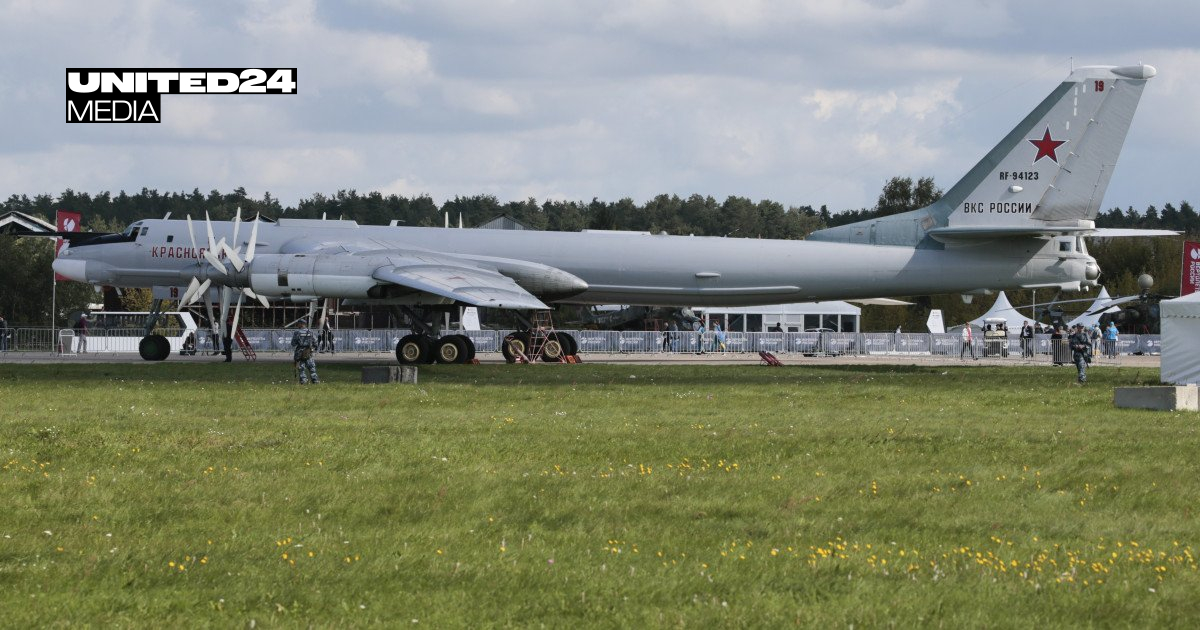
Ukraine’s Unmanned Systems Forces reportedly struck two Tu-142 aircraft near Taganrog, with satellite imagery indicating that three of four long-stored airframes at the Taganrog Aviation Plant were relocated between April 19 and May 19, 2026 before the attack. The aircraft had been in storage since at least 2011 and were not known to be in active service, underscoring persistent vulnerability of Russian military infrastructure. The strike was part of a broader overnight operation that also targeted Russian oil infrastructure in Taganrog and occupied Crimea.
This is less about the airframes themselves and more about the signal it sends on Russia’s rear-area resilience: even long-idle strategic assets are now being forced into motion, which increases the probability of misallocation, exposure, and follow-on damage. Once Ukraine demonstrates it can find and hit non-operational but still militarily valuable platforms, every movement of stored hardware becomes a liability rather than a hedge. That raises the expected cost of simply concentrating legacy inventory at a small number of known industrial sites.
The second-order effect is on Russian maintenance and regeneration economics. Moving airframes out of storage may indicate attempts to preserve option value, but it also creates a visible trail and raises the chance that “revival” efforts get interrupted before they produce usable capability. If the goal is decoys, the deterrent works only until the attacker adapts; if the goal is restoration, the strike suggests that restoration timelines may stretch from weeks to months, with uncertain parts availability and higher inspection burden.
For markets, the relevant read-through is not a single aircraft loss but the incremental pressure on logistics, air defense dispersion, and industrial throughput in Russia’s south. This kind of operation encourages a more fragmented, defensive posture that is inefficient and expensive, and it increases tail risk for adjacent infrastructure from fuel depots to rail nodes. The broad implication is a higher burn rate for Russian military logistics and a modestly higher probability of intermittent disruption to Black Sea and southern transport corridors over the next 1-3 months.
The contrarian point: this is not automatically escalation in the classic sense, because the targets appear to have been dormant and marginal to frontline operations. If so, the physical military impact may be smaller than the signaling impact, and markets may overprice a near-term step-up in operational tempo. The better framework is a slow erosion thesis: each successful deep strike forces Russia to spend more on concealment, relocation, and redundancy, but it does not necessarily create immediate battlefield collapse.
AI-powered research, real-time alerts, and portfolio analytics for institutional investors.
Request TrialOverall Sentiment
strongly negative
Sentiment Score
-0.55
