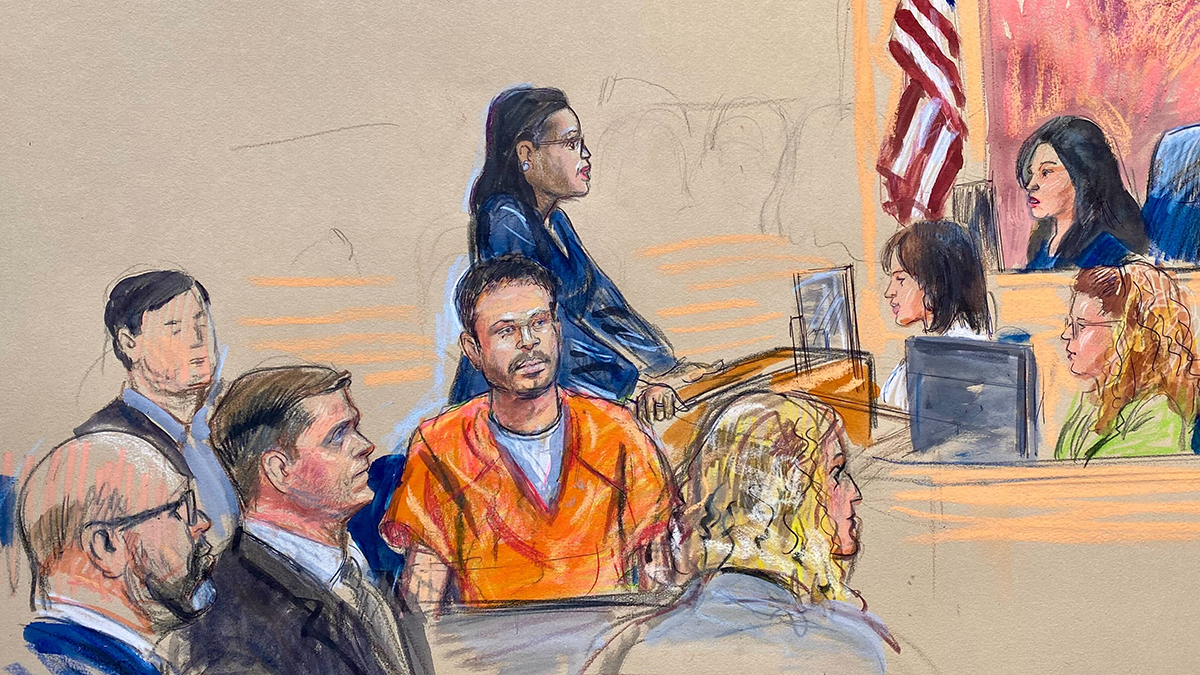
A man accused of attempting to assassinate President Donald Trump agreed to remain jailed pending trial after prosecutors said he ran through a magnetometer at the Washington Hilton with a long gun, ammunition bag, holster and knife. He faces charges including attempted assassination of the president and two firearms counts, with a potential life sentence if convicted on the assassination count alone. The case is primarily a legal and domestic-political development rather than a direct market-moving event.
The direct market impact is limited, but the second-order effect is an incremental risk premium around federal security, political venues, and the 2024-2025 election season. That premium matters less for the obvious defense primes than for the ecosystem of event security, access control, screening, and protective equipment vendors that see demand step up after visible failures; these are usually small-cap, under-covered beneficiaries with faster budget conversion than large defense names. Expect procurement chatter to intensify over the next 1-2 quarters as agencies and private venue operators audit perimeter protocols and look for upgrades that can be justified as “non-discretionary” spending.
The more important implication is for the legal and political backdrop: a high-profile attempted assassination case raises the probability of copycat threats, harsher protective posture, and more event disruptions into the election cycle. That should modestly support names tied to surveillance, identity verification, and physical security, while pressuring hospitality and event-services operators in Washington and other major political hubs if venues respond by tightening access and increasing security costs. A spillover effect is higher insurance and liability scrutiny for large public gatherings, which can compress margins for promoters and venues even if incident frequency remains low.
The contrarian read is that the headline risk is probably being over-discounted in the broad market, but under-discounted in specific micro-cap suppliers. Most investors will treat this as a one-off political shock; however, the operating response from government buyers tends to be sticky and budgeted over multiple fiscal cycles, creating a longer-duration tailwind for niche security names. The near-term reversal catalyst would be any evidence the incident was isolated and contained, which could fade broad fear quickly, but it would not fully unwind procurement momentum already set in motion.
AI-powered research, real-time alerts, and portfolio analytics for institutional investors.
Request DemoOverall Sentiment
moderately negative
Sentiment Score
-0.40
