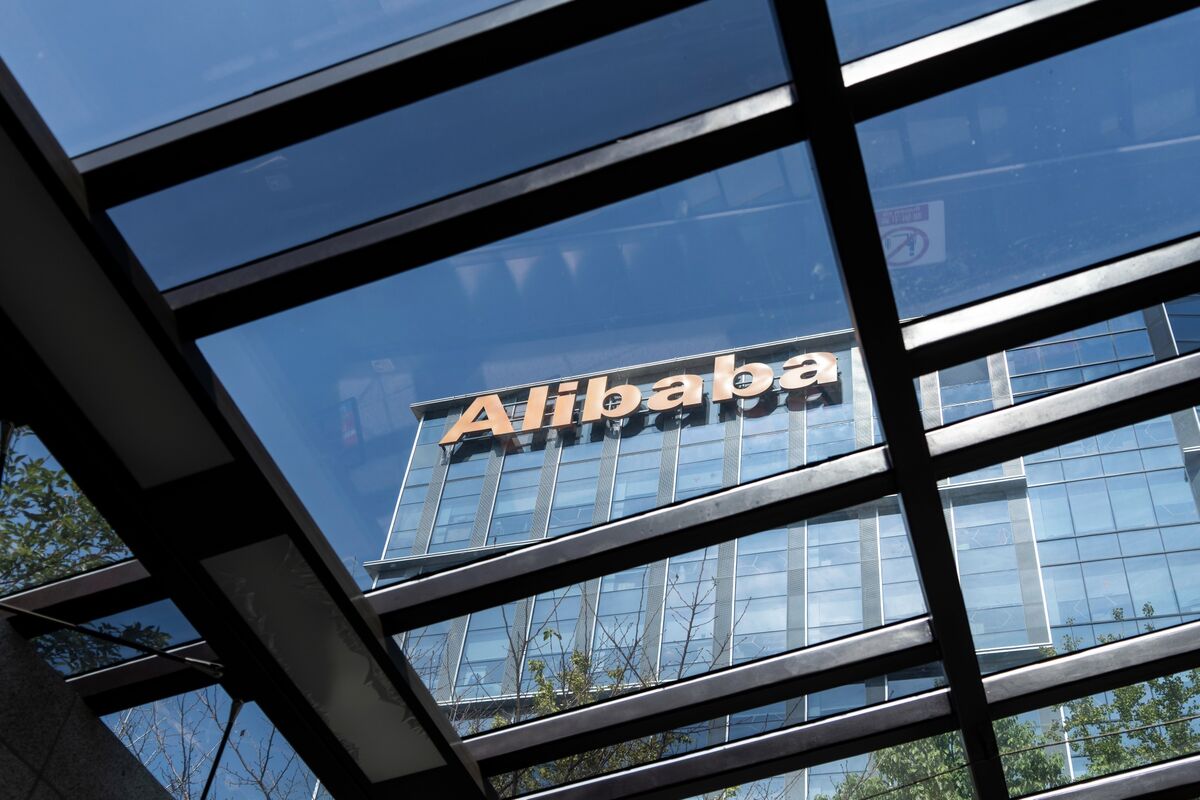
Alibaba reported quarterly sales of 284.8 billion yuan ($41.3B), up ~2% year-over-year but below the 289.8 billion yuan consensus (roughly a 5 billion yuan miss); net income plunged ~67% to 16.3 billion yuan. The results amplify pressure on management to extract profitability from costly AI investments and accelerate efforts to improve margins.
Alibaba’s margin story is now a capital-allocation problem: large, ill-monetized AI spend creates a bimodal outcome where either the company successfully re-prices higher-margin enterprise/AI products or it is forced into aggressive cost cuts that depress growth. Over the next 6–18 months the key metric to watch is enterprise ARR and gross margin mix change — a step-function increase in cloud/AI monetization would validate current investments, while flat ARR with rising opex implies further EBITDA compression and potential asset actions.
Second-order winners if Alibaba pivots to profit-first will be enterprise software partners and AI tooling vendors that can be upsold into Alibaba Cloud customers; losers in a profit-squeeze scenario are logistics and marketing partners (fee/take-rate sensitive merchants) who will face immediate margin pressure and could defect to lower-fee marketplaces. Competitors with flexible merchant economics (PDD, selected Tencent marketplace ad products) can capture share within 3–12 months if Alibaba tightens promo/subsidy budgets.
Catalysts and tail risks are asymmetric by timeframe: in days-weeks, guidance tone and any management signaling around AI monetization cadence will move front-month options and equity flows; in 3–12 months, measurable ARR, take-rate changes, and capex cadence will determine whether the firm re-enters growth or re-prices as a cash-conservative cloud/AI vendor. Tail risks include large one-off write-downs, a forced capital raise, or a merchant exodus that accelerates share loss — each would materially widen downside beyond typical multiples.
Consensus is pricing a single-path downside; that overweights near-term negative headlines and implied volatility. Positioning that buys defined downside (puts or pair shorts) while keeping a small asymmetric long option for successful AI monetization (long-dated call spread) captures the bimodal outcome without blunt exposure to one-sided execution risk.
AI-powered research, real-time alerts, and portfolio analytics for institutional investors.
Request DemoOverall Sentiment
strongly negative
Sentiment Score
-0.65
Ticker Sentiment
