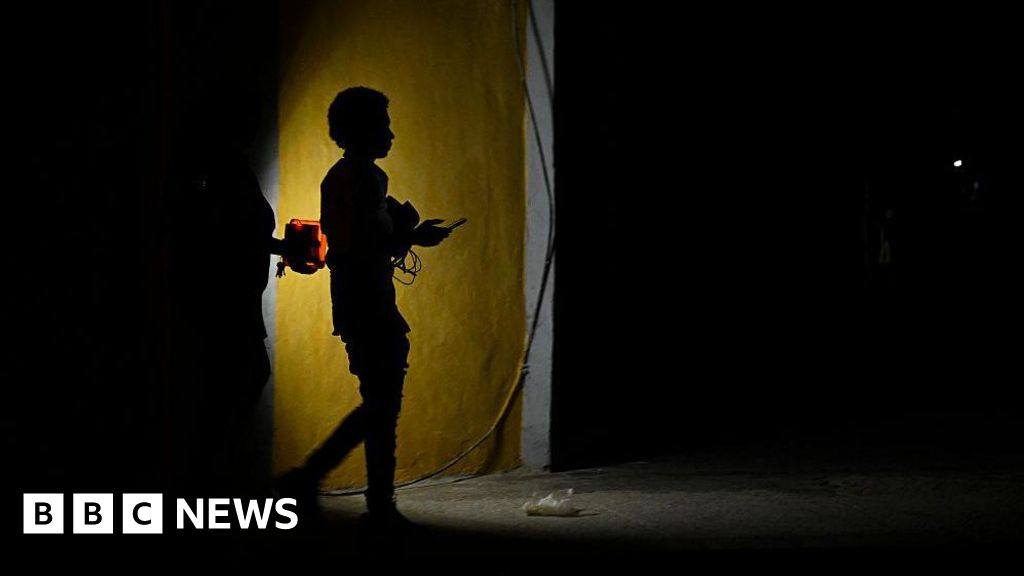
Millions of Cubans are without electricity after the national grid collapsed and UNE is undertaking gradual restorations. Cuba (population ~10M) reports no oil shipments in the last three months; Venezuela previously delivered ~35,000 bpd (about 50% of Cuba's needs) and those flows have halted amid US seizures and sanctions. The outages, combined with protests over food prices and persistent power cuts and recent hostile rhetoric from the US president, materially increase political and energy-supply risk for Cuba and heighten regional emerging-market geopolitical risk.
Localized fuel-supply disruptions in strategically positioned corridors produce outsized regional price distortions: because these corridors feed local grids and bunkering hubs, even disruptions on the order of tens of kbpd can widen product spreads and bunker margins by low double-digits within 1–6 weeks. That forces refiners to reallocate run-slates toward available grades, tightening heavy/light differentials on the US Gulf Coast and lifting incremental refining economics by roughly $1–3/bbl on diverted barrels.
Shipping and insurance externalities amplify the real-economy hit: elevated policy risk raises war-risk and short-haul transshipment costs, which can push MR (medium-range) product tanker time-charter rates 10–30% higher inside 1–3 months while larger crude markets remain relatively insulated. The beneficiaries are niche owners/operators and regional bunker suppliers who can capture the parcel-arbitrage; large integrated majors will see only modest direct upside but benefit indirectly from higher product crack spreads.
Financial spillovers are concentrated and tradeable: higher political-risk premia compress tourism and remittance-linked FX liquidity, tending to widen sovereign CDS in similarly rated EMs by 50–150bps over 3–12 months and creating safe-haven flows into USD and gold. This creates a tactical corridor for buying EM credit protection and gold exposure while avoiding broad EM equity beta.
Trading framework: the event is binary—rapid diplomatic de-escalation would unwind premiums quickly, while sustained disruption evolves into a multi-month infrastructure shock that compounds into capital flight and credit stress. Monitor three triggers that decide trade sizing and duration: MR tanker TC rates, heavy/light crude differentials on the USGC, and 5y sovereign CDS moves for regional peers.
AI-powered research, real-time alerts, and portfolio analytics for institutional investors.
Request DemoOverall Sentiment
strongly negative
Sentiment Score
-0.65
