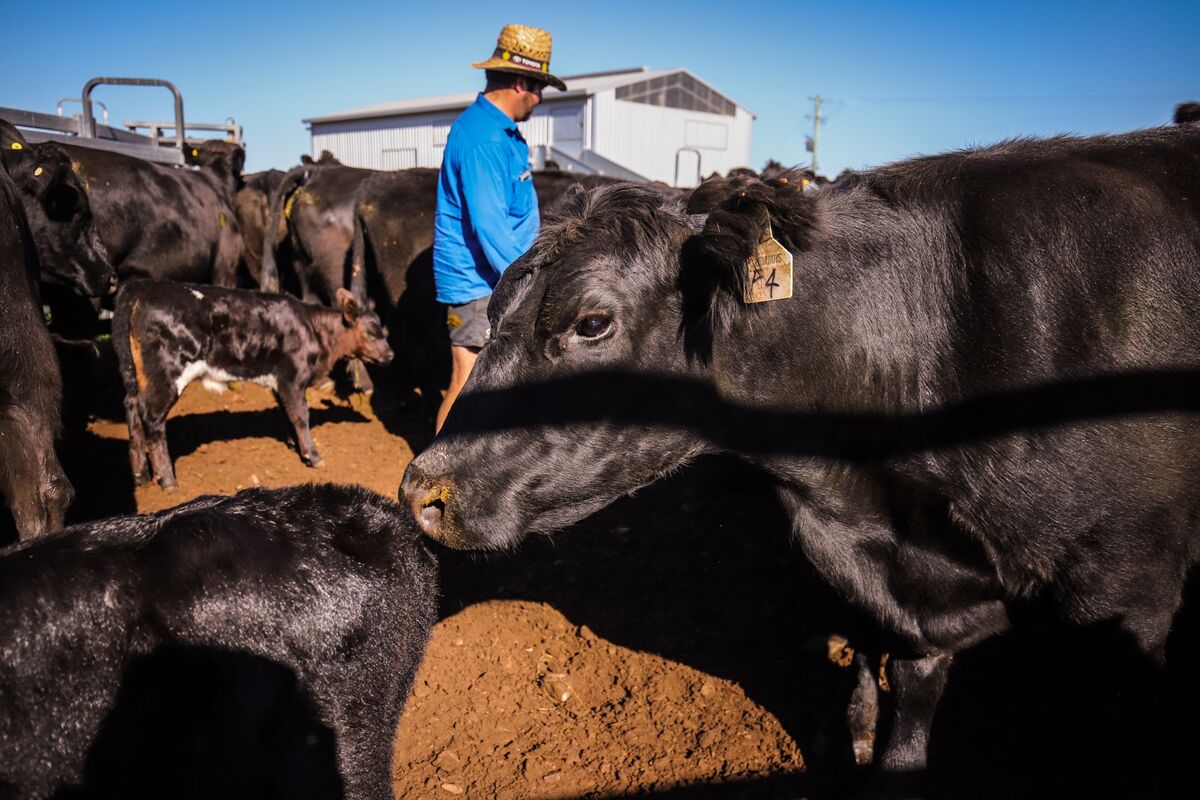
Australia's beef exports to the United States surged significantly in June, with chilled and frozen beef shipments rising 23% year-over-year and nearly a third for the first six months, according to Meat & Livestock Australia data. This notable increase occurred despite President Trump's new tariff regime and his specific criticism of Canberra regarding red meat imports, indicating market resilience or demand dynamics are currently overriding tariff pressures.
Australian beef exports to the United States demonstrated significant strength, registering a 23% year-over-year increase in June and a nearly one-third rise in the first half of the year, according to data from Meat & Livestock Australia. This robust growth is particularly noteworthy as it materializes directly in the face of a new US tariff regime and explicit political pressure from the Trump administration against Canberra's trade practices. The data indicates that current US demand for Australian beef is sufficiently inelastic or that supply chain dynamics, such as importers stockpiling in anticipation of further trade friction, are currently overriding the intended economic impact of the tariffs. This divergence between policy implementation and market reaction highlights a key resilience in this specific commodity trade channel, though the low market impact score suggests the event is viewed as contained primarily to the agricultural and food sectors rather than a broader macroeconomic signal.
AI-powered research, real-time alerts, and portfolio analytics for institutional investors.
Request DemoOverall Sentiment
strongly positive
Sentiment Score
0.70
