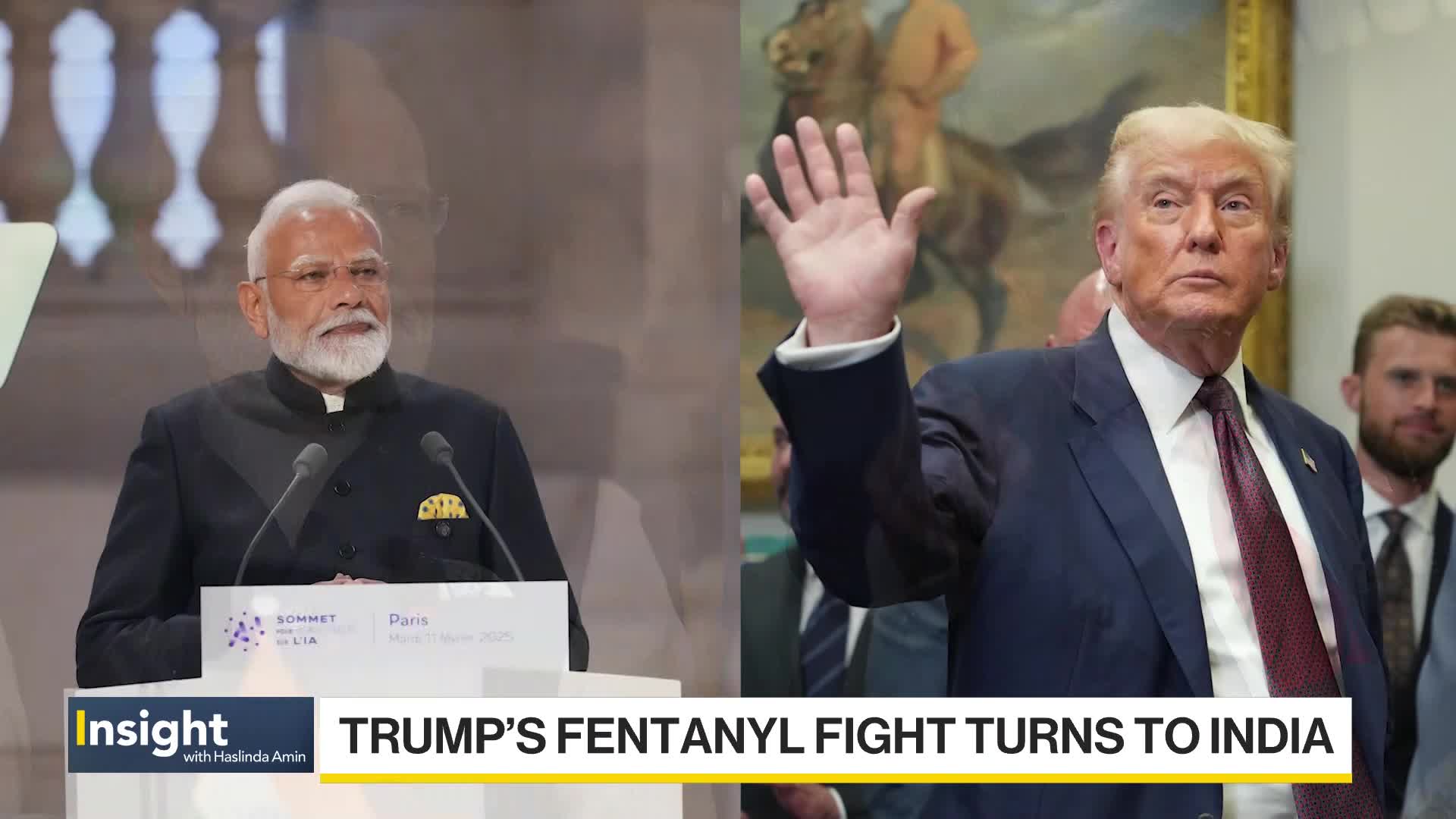
The U.S. has identified India as the second-largest supplier after China of fentanyl precursor chemicals and drug-making equipment, prompting intensified DOJ enforcement actions and discussions within the administration about possible additional tariffs if India does not tighten controls. New Delhi has been described as cooperative but sensitive to broader trade friction (including existing ~50% tariffs tied to Russian crude purchases), creating regulatory and geopolitical risk for India’s large pharmaceuticals and API export sector and potential disruption to global generic drug supply chains.
Market structure: A U.S. crackdown that extends to India favors high‑compliance, audited API/CDMO providers and regulated large-cap pharma while hurting small/opaque chemical intermediaries and mid‑cap Indian API exporters. Expect 5–15% near‑term margin pressure on exposed Indian chemical names and a 50–150bp widening in local credit spreads if tariffs/enforcement escalate within 1–3 months. FX volatility in USD/INR should rise; commodities (benzene/solvents) could see transient price spikes if legitimate supply is curtailed.
Risk assessment: Tail risks include targeted U.S. tariffs (10–50%) or criminal seizures of Indian plants causing multi-week supply shocks and +20–30% price dislocations in certain APIs; probability rises if 2+ DOJ actions occur in 60 days. Immediate (days): headline-driven equity/FX moves; short-term (weeks–months): enforcement+tariff negotiation; long-term (quarters–years): structural reshoring and compliance premium for vetted suppliers. Hidden dependency: many precursors are dual‑use, so blanket controls can disrupt legitimate generics supply globally.
Trade implications: Tactical plays: short Indian small‑cap chemical exporters/INDA on headline escalations; long regulated CDMOs/Western onshoring beneficiaries (Catalent CTLT, Lonza LONN.SW) for 6–12 months to capture re‑sourcing flows. Use options: buy 3‑month put spreads on INDA sized 1–2% NAV (buy 8–10% OTM put, sell 15% OTM) as low‑cost downside insurance; buy 3‑month USD/INR calls (strike ≈+3% ATM) if enforcement headlines mount. Rotate 3–6% from EM credit into IG corporates until 90‑day clarity.
Contrarian angles: Consensus may overstate permanent damage — India has incentives to cooperate, so tariffs could be a negotiation lever and rollback within 60–120 days is plausible, creating a snapback rally in Indian equities of 10–20%. Historical parallel: 2019–21 China controls caused 3–9 month dislocations then normalization; unintended consequence is a sustained premium for compliance‑certified suppliers benefiting DIVI.NS/DRREDDY.NS if they obtain certifications. Monitor DOJ indictments, U.S. tariff statements, and India export license volumes weekly for asymmetric entry/exit signals.
AI-powered research, real-time alerts, and portfolio analytics for institutional investors.
Request DemoOverall Sentiment
moderately negative
Sentiment Score
-0.30
