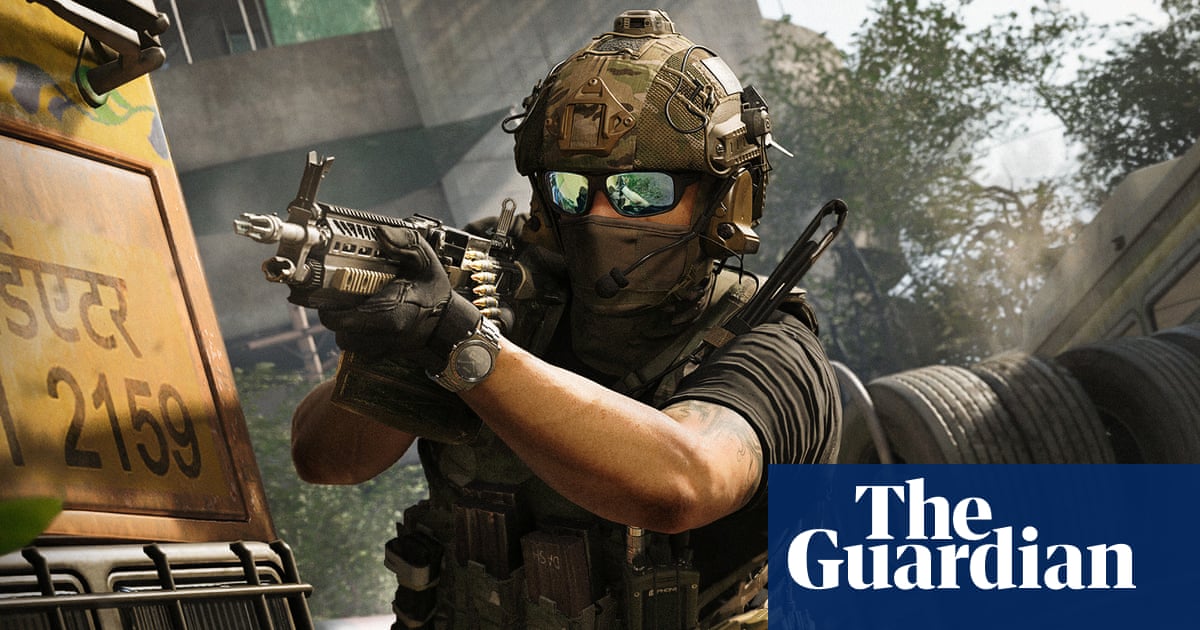
Activision’s 2026 Call of Duty: Modern Warfare 4 is set to feature a controversial campaign centered on a North Korea invasion of South Korea, plus a new extraction-shooter mode called DMZ. The game will launch only on current-gen hardware, including Nintendo Switch 2, while also introducing major multiplayer mechanics changes such as revised movement and hip-fire accuracy systems. The article is primarily a preview of creative direction and potential controversy rather than a financially material update.
The market implication is less about this title’s unit economics than about Activision’s willingness to widen the aperture on content risk in pursuit of engagement. A more controversial, geopolitically anchored campaign raises the probability of a sharper launch spike, but it also increases the odds of localized backlash, age-rating friction, and selective distribution issues in Korea and potentially other Asian markets. That matters because the upside case is driven by global hype, while the downside is concentrated in a few regions where reputational and regulatory reactions can be disproportionate to revenue weight.
The bigger second-order effect is competitive: by committing to a highly scripted extraction mode and current-gen-only optimization, the franchise is trying to reaccelerate monetization and hardware transition at the same time. That supports engagement hours and attach rates, but it also raises execution risk because players will compare the new mode directly with incumbent extraction shooters on retention, not just marketing. If the mode feels too authored versus emergent, it could underperform on streamer adoption even if campaign chatter is strong.
For NFLX, the relevance is indirect but important: Korean entertainment remains a high-value content funnel, and any controversy around depictions of the peninsula can subtly reinforce the advantage of safer, relationship-driven narratives that travel well globally. The contrarian read is that controversy may be net positive near term because it creates free attention and preorders, while the actual revenue hit may be modest unless Korean consumer boycott sentiment broadens. The real tail risk is not launch week; it is a 1-2 quarter dragged-out PR cycle that affects DLC, live-service spend, and the next annualized content beat.
Consensus may be overestimating the permanence of the controversy premium and underestimating how quickly players normalize geopolitical framing when the gameplay loop is strong. The cleaner trade is to focus on where higher engagement and current-gen only hardware spend actually accrues: platform and accessory ecosystems, plus any publisher with a more globally neutral pipeline that can absorb share if this title stumbles outside the West.
AI-powered research, real-time alerts, and portfolio analytics for institutional investors.
Request DemoOverall Sentiment
neutral
Sentiment Score
0.05
Ticker Sentiment
