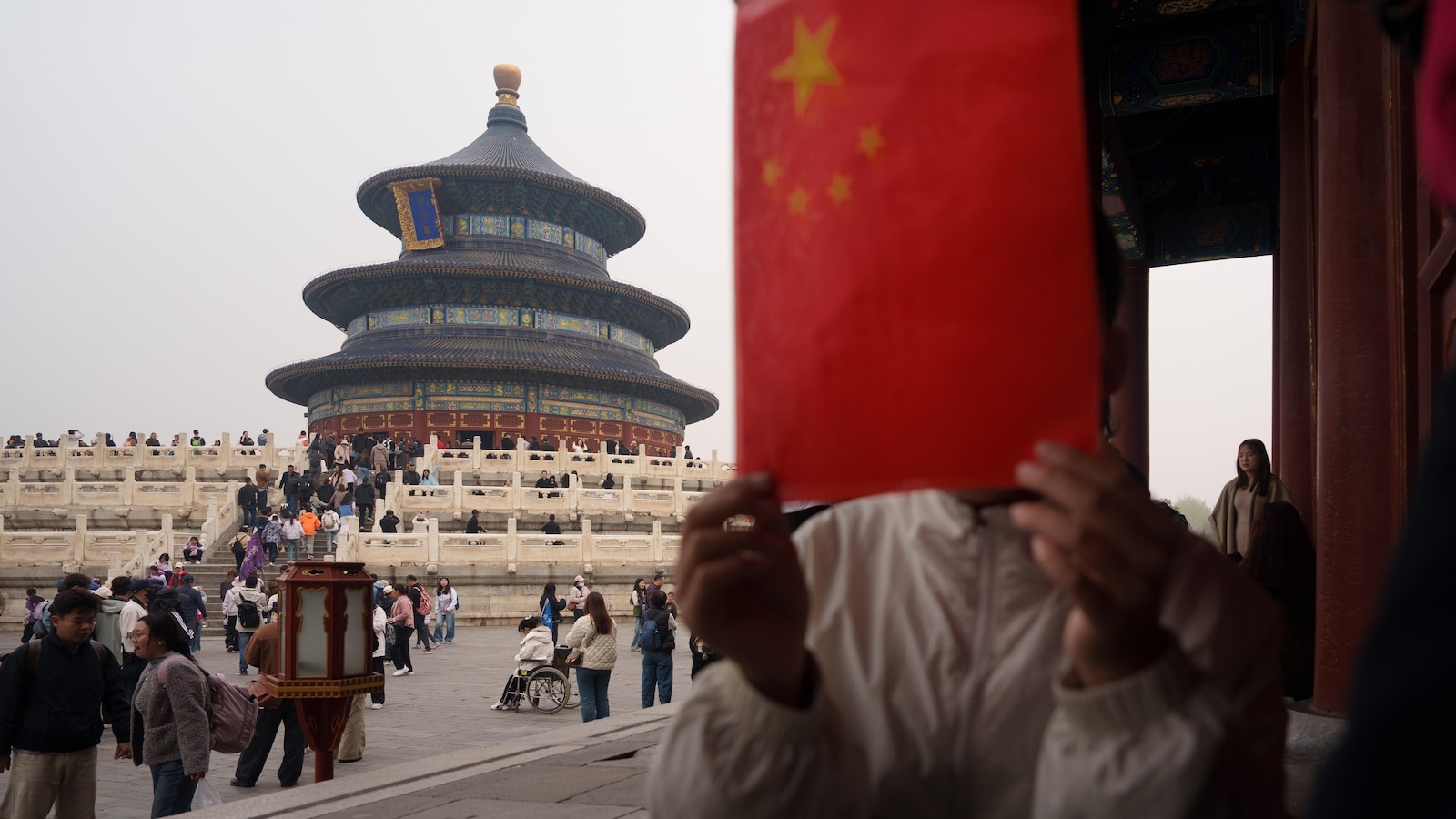
RightsCon 2026 was canceled in Zambia after Access Now said the host government came under Chinese pressure to exclude Taiwanese participants and moderate conference topics. The event had been expected to draw more than 2,600 in-person attendees and 1,100 online participants from over 150 countries. The article highlights rising geopolitical friction involving China, Taiwan and African host countries, but the immediate market impact appears limited.
This is a small headline with a large signaling effect: it reinforces that China is willing to export political constraints into third-country civil society and conference logistics, not just formal diplomatic channels. The second-order implication is a higher “jurisdictional risk premium” for emerging-market venues that depend on Western tech, NGO, and academic convenings; hosts with meaningful China exposure will increasingly self-censor on speaker lists, topic scope, and attendance rules to avoid retaliation.
The near-term loser is any EM tourism, hospitality, and convention ecosystem that markets itself as neutral or globally connected. The bigger strategic beneficiary is venue migration toward jurisdictions perceived as safer for speech and cross-border organizing, which should modestly favor Singapore, Taiwan, Europe, and U.S. cities over parts of Africa and other China-dependent markets over the next 12-24 months. For Taiwan-linked firms and institutions, the message is that soft-power travel friction is now a persistent operating cost, not a one-off diplomatic nuisance.
The market should not overstate direct macro impact, but this can still matter for two assets: NGOs/tech-policy ecosystems that rely on physical convenings, and EM sovereign perception where governance credibility matters at the margin. If this pattern spreads, it is a negative for countries trying to balance Chinese capital with Western institutional access, because conference censorship is visible, reputationally sticky, and easy to litigate in the press. That reputational drag can compound into slower FDI conversion and lower premium pricing for “gateway” cities that depend on being seen as open.
Contrarian view: the trade is less about immediate China risk-off and more about localization of governance risk in specific host countries. Consensus may miss that these incidents are usually catalyst-free for broad markets but highly actionable for event-services, travel, and venue operators with concentrated emerging-market exposure; the opportunity is in relative-value rather than outright macro shorts.
AI-powered research, real-time alerts, and portfolio analytics for institutional investors.
Request DemoOverall Sentiment
moderately negative
Sentiment Score
-0.35
