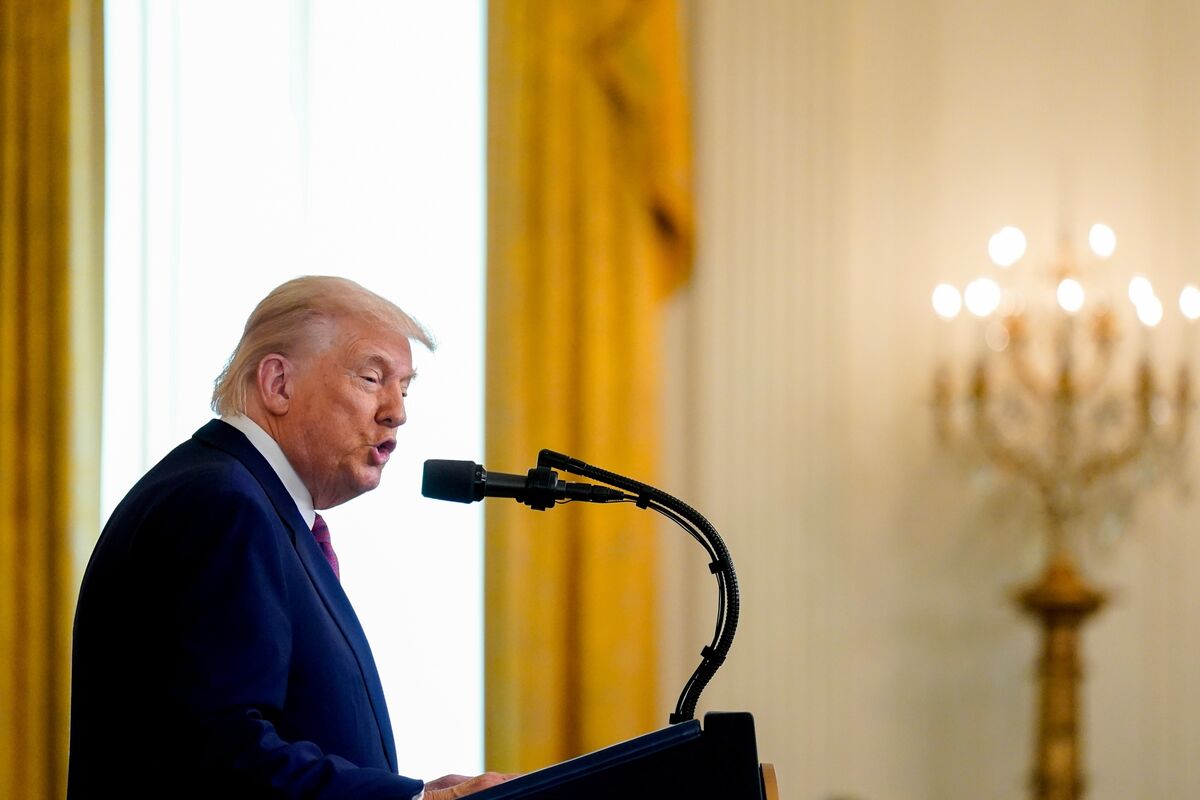
President Trump stated he does not intend to fire Federal Reserve Chair Jerome Powell, despite previous suggestions he would soon nominate a new candidate to lead the central bank. Trump also reiterated his demand for the Federal Reserve to cut interest rates, dismissing concerns that Powell's dismissal would negatively impact the economy.
President Trump's recent statement clarifying he does not intend to fire Federal Reserve Chair Jerome Powell removes a significant point of near-term uncertainty for markets, contributing to a mildly positive sentiment (sentiment score: 0.15). This development, while reducing the immediate risk of a leadership vacuum or contentious dismissal at the central bank, is juxtaposed with the President's continued public demands for interest rate cuts. The persistence of such calls highlights the ongoing tension between political desires for accommodative monetary policy and the Federal Reserve's mandate for independent decision-making. The moderate market impact score of 0.55 suggests that while Powell's job security offers some stability, the broader narrative of political influence on monetary policy and future interest rate paths, underscored by themes of 'Monetary Policy', 'Interest Rates & Yields', and 'Elections & Domestic Politics', remains a key consideration for investors.
AI-powered research, real-time alerts, and portfolio analytics for institutional investors.
Request DemoOverall Sentiment
mildly positive
Sentiment Score
0.15
