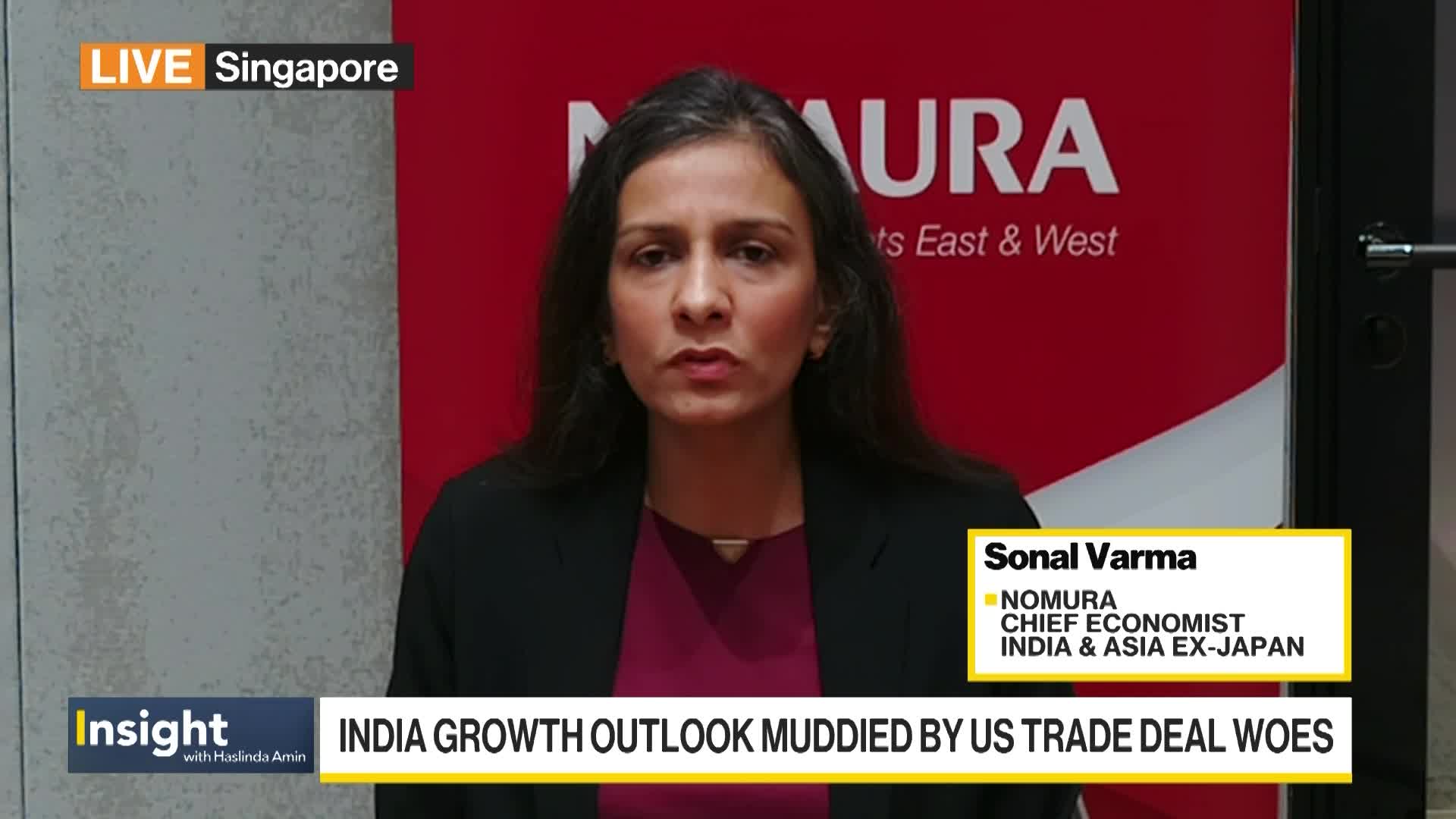
A sustained 50% U.S. tariff on Indian goods could shave roughly 0.5 percentage points off annual growth, with labour‑intensive MSMEs already seeing contracting exports, squeezed cash flow and delayed capex. Policymakers are offsetting pressure via interest‑rate cuts, liquidity and macroprudential easing, tax cuts and labour reforms, while pursuing deregulation (decriminalisation, potential land reforms) and FDI liberalisation in sectors such as insurance and banking to drive export diversification and domestic demand.
Market structure: A 50% US tariff scenario would directly hurt labour‑intensive exporters (apparel, leather, gems/jewellery, small electronics) and MSME supply chains — the article cites ~0.5 percentage‑point annualized GDP drag, with downside to margins and delayed capex. Winners in the near term are large domestically oriented conglomerates, retail/energy groups and financials that benefit from domestic demand and countercyclical monetary/fiscal easing; export diversification (Vietnam/Bangladesh substitution) will shift global market share over 6–24 months.
Risk assessment: Tail risks include a persistent tariff regime causing a deeper 1.0–1.5pp GDP hit, INR depreciation >5% and a spike in MSME NPLs (+200–300bp) that stresses small banks/NBFC funding. Time horizons: immediate (days) — volatility in FX and export sector names on tariff headlines; short (weeks–months) — RBI rate cuts and liquidity measures likely compress yields and support credit; long (quarters–years) — structural reforms (land, labour, FDI) determine re‑allocation of FDI and capex. Hidden dependencies: US political timing, global consumer demand, and shipping/logistics bottlenecks; catalysts include any US tariff announcement, RBI easing steps (25–75bps) and parliamentary reform bills.
Trade implications: Favor quality, domestically driven India exposure and protection on export/SME risk. Expect downward pressure on small‑cap/export‑heavy indices and upward pressure on large private banks and retail plays if rate cuts resume. Cross‑asset: buy protection in INR and small‑cap ETF puts; Indian sovereign spreads may widen short‑term but fall if reforms attract FDI.
Contrarian angles: Consensus underestimates speed of policy offset — RBI/fiscal easing could neutralize ~0.3–0.5pp GDP loss in 12 months, so outright panicked selling is likely overdone. Conversely, markets may underprice a prolonged tariff regime that forces corporates into multi‑year supply chain shifts; look for mispricings in mid/small caps with high export share that trade on complacent multiples. Historical parallel: 2018 US‑China tariff shocks — short sharp earnings hits but differentiated long‑run winners from on‑shoreers and diversified exporters.
AI-powered research, real-time alerts, and portfolio analytics for institutional investors.
Request DemoOverall Sentiment
mildly negative
Sentiment Score
-0.30
