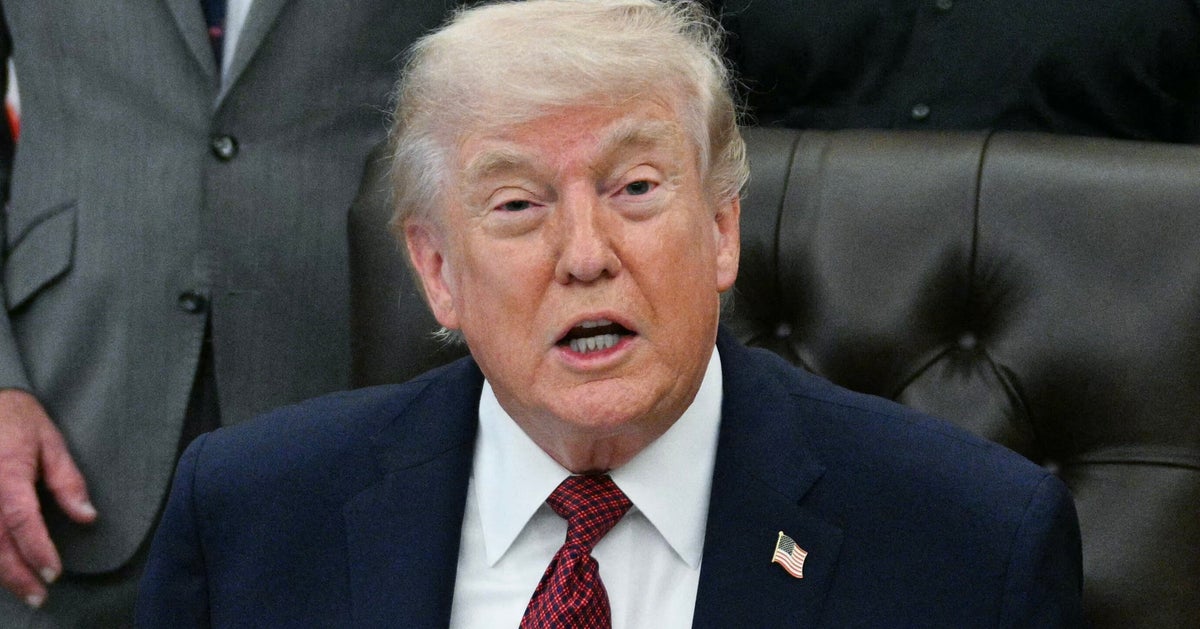
The Wall Street Journal editorial board urged Donald Trump not to pursue a reported $500 million government bailout of Spirit Airlines, warning it would create moral hazard and lack economic justification. The board said letting Spirit fail would reinforce market discipline, though liquidation could put as many as 14,000 jobs at risk. The piece adds political pressure around a potential rescue but is unlikely to move markets materially on its own.
A bailout attempt would be a strong signal that political capital is starting to trump creditor discipline in selected “too visible to fail” situations. The first-order read is negative for airline equity holders, but the more important second-order effect is that it raises the probability of a messy government ownership structure that suppresses future private capital appetite for distressed airlines and levered travel names. That should widen the discount rate applied to any carrier with weak liquidity, especially those relying on refinancing rather than durable unit economics.
The competitive benefit likely accrues less to large network carriers and more to any low-cost or ultra-low-cost rival with cleaner balance sheets and better access to aircraft/lease capacity if Spirit is forced into liquidation. In a liquidation scenario, fleet, gate, and labor dislocation could tighten capacity in specific leisure-heavy domestic markets for 3-6 months, which paradoxically can lift yields for incumbents even if headline demand softens. The bigger winner may be less obvious: lessors and aircraft maintenance providers with exposure to repositioning, storage, and remarketing work, while vendors tied to Spirit’s renewal pipeline would face near-term order cancellations.
The key catalyst is not the bailout rumor itself but the policy process: markets will reassess the odds of intervention versus bankruptcy over the next few weeks, and that binary will drive sub-industry dispersion. If officials walk away, expect a fast repricing of stressed carrier equity and unsecured debt, with the pain concentrated in the front end; if they proceed, the trade becomes a moral-hazard regime shift that could extend to other politically sensitive restructurings over the next 12-18 months. The reversal trigger is likely labor-market optics or election-season pressure, not economics.
Consensus may be underestimating how little this changes the medium-term industry structure: Spirit’s weakening may ultimately help pricing rationality by removing persistent fare undercutting in leisure corridors. That means the bearish headline can coexist with constructive implications for sector margins over a 6-12 month horizon if capacity exits faster than demand decelerates. The trade is therefore less about “airlines down” and more about long/short dispersion within the transport complex.
AI-powered research, real-time alerts, and portfolio analytics for institutional investors.
Request TrialOverall Sentiment
moderately negative
Sentiment Score
-0.35
