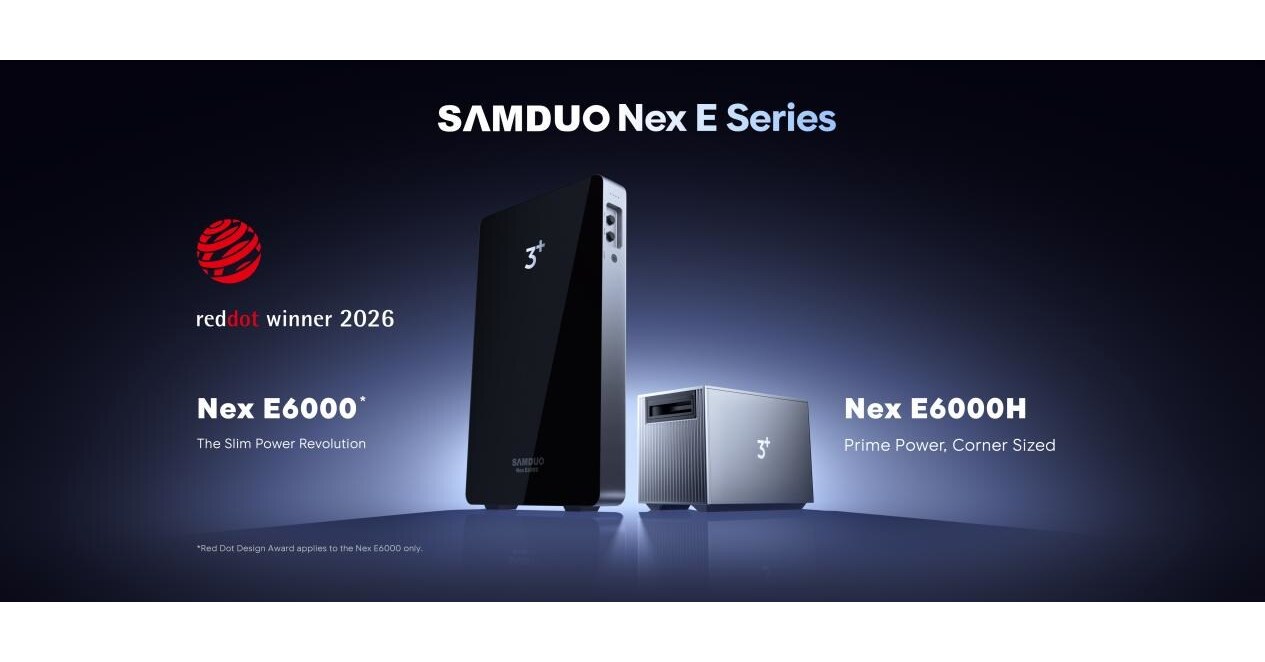
SAMDUO lance la commercialisation aux Pays-Bas de la série Nex E (Nex E6000 et Nex E6000H) à partir du 13 juillet, avec livraison dans tout le pays. L’initiative anticipe la fin du mécanisme de « comptage net » prévue au 1er janvier 2027, visant à réduire la dépendance au réseau grâce au stockage solaire excédentaire et à une compatibilité avec plus de 800 fournisseurs. La marque annonce jusqu’à 1 584 € d’économies annuelles potentielles et une garantie de 10 ans (jusqu’à 10 000 cycles), avec un système « plug-and-play » (raccordement réseau 800 W).
The investable read-through is not this brand-specific launch; it is the policy-created pull-forward in residential storage demand ahead of 2027. Once netting economics deteriorate, value shifts from exporting kWh to self-consumption and peak shaving, which structurally favors AC-coupled batteries, inverter/EMS vendors, and installers with high attach rates. The first beneficiaries are the suppliers that can sell a simple retrofit into space-constrained homes; the second-order winner is the installer channel, which should see higher ticket sizes and better gross profit per household than standalone solar jobs.
The losers are incumbent utilities and retail power suppliers that rely on daytime export volumes and evening peak spreads, plus solar-only installers that fail to bundle storage. There is also a competitive dynamic: compact, plug-and-play systems lower the barrier to entry for households that would otherwise delay installation, so the incremental demand may be more about conversion than greenfield solar adoption. That makes this a share-shift story inside the home-energy stack rather than a broad demand explosion.
The contrarian risk is that the market overestimates conversion speed. Dutch households still face payback, installation friction, warranty anxiety, and the need for trusted channels; a battery claim is only as good as its realized tariff arbitrage, which can compress if dynamic spreads narrow or regulators adjust compensation rules again. Near term, this is a months-long channel build story rather than a same-week macro catalyst; the structural effect is 6-18 months if the policy change stays intact and retail electricity remains expensive enough to justify storage. What would falsify the thesis is weak installer commentary, slower-than-expected attach rates, or any sign that post-2027 tariff spreads are too small to sustain payback assumptions.
AI-powered research, real-time alerts, and portfolio analytics for institutional investors.
Request TrialOverall Sentiment
mildly positive
Sentiment Score
0.25
