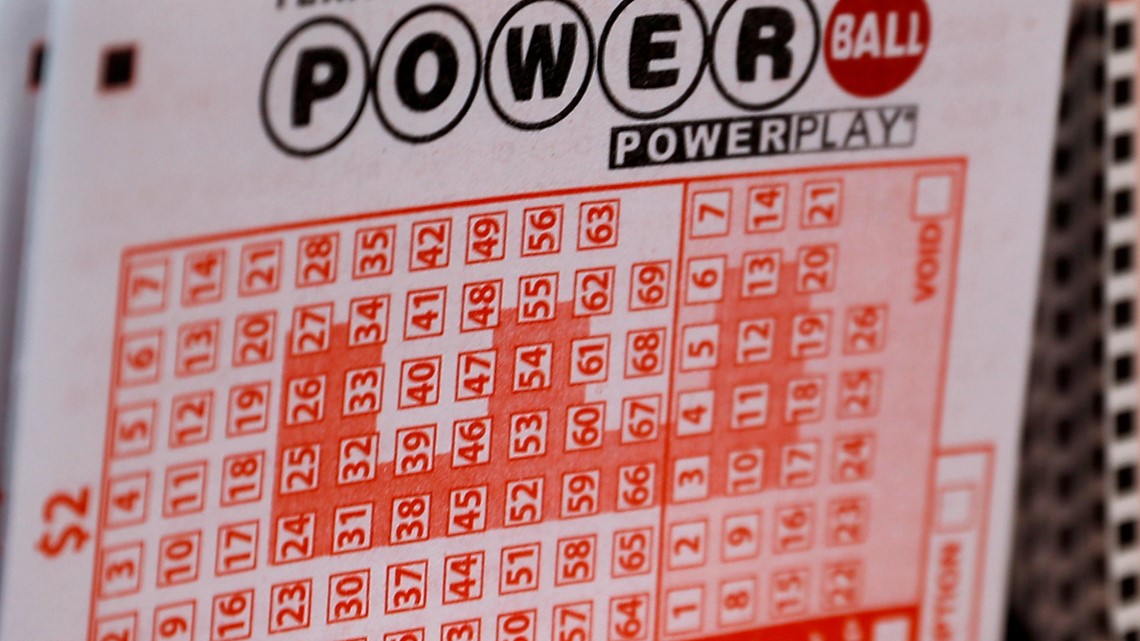
Two Powerball tickets from Indiana and Kansas will split a $143 million jackpot from the April 29, 2026 drawing, with the winning numbers 3, 19, 35, 51, 67 and Powerball 15. The drawing also produced dozens of $2 million and $1 million winners across multiple states, while Ohio alone reported thousands of smaller prize winners. The next jackpot resets to $20 million with a $9.1 million cash option for the May 2 drawing.
This is a short-duration consumer-demand event with almost no fundamental read-through for public equities, but it does matter at the margin for regional retail and leisure spending in the affected geographies. A large lottery payout cluster tends to create a brief local liquidity shock: part of the spend is immediately captured by convenience stores, fuel stations, and grocery-adjacent lottery retailers via foot traffic and ancillary purchases, while the bigger economic effect is delayed as winners and near-miss participants skew discretionary spending toward travel, dining, and durable goods over the next 1-3 quarters.
The second-order beneficiaries are not the lottery operators themselves but the merchant ecosystem around ticket sales and redemption: c-stores, quick-service food, and regional tourism operators in states with outsized winner concentration. The risk is that the incremental spend is too dispersed to show up in public-company numbers unless there is already strong local traffic momentum; in that sense, this is more a sentiment catalyst than a measurable earnings driver. A meaningful tail risk is behavioral reversibility — lottery windfalls often produce a one-time burst in consumption rather than sustained uplift, and any macro slowdown would swamp the effect within weeks.
The contrarian angle is that the market tends to overestimate the breadth of “wealth effect” from jackpot news. Most of the payout is likely parked or used to de-lever, not spent quickly, so near-term retail upside is smaller than headlines imply. The actionable edge is to focus on companies with dense Midwest/Ohio store exposure and high frequency traffic, where even a modest basket uplift can matter at the margin, rather than chasing broad consumer-beta names.
AI-powered research, real-time alerts, and portfolio analytics for institutional investors.
Request DemoOverall Sentiment
neutral
Sentiment Score
0.10
