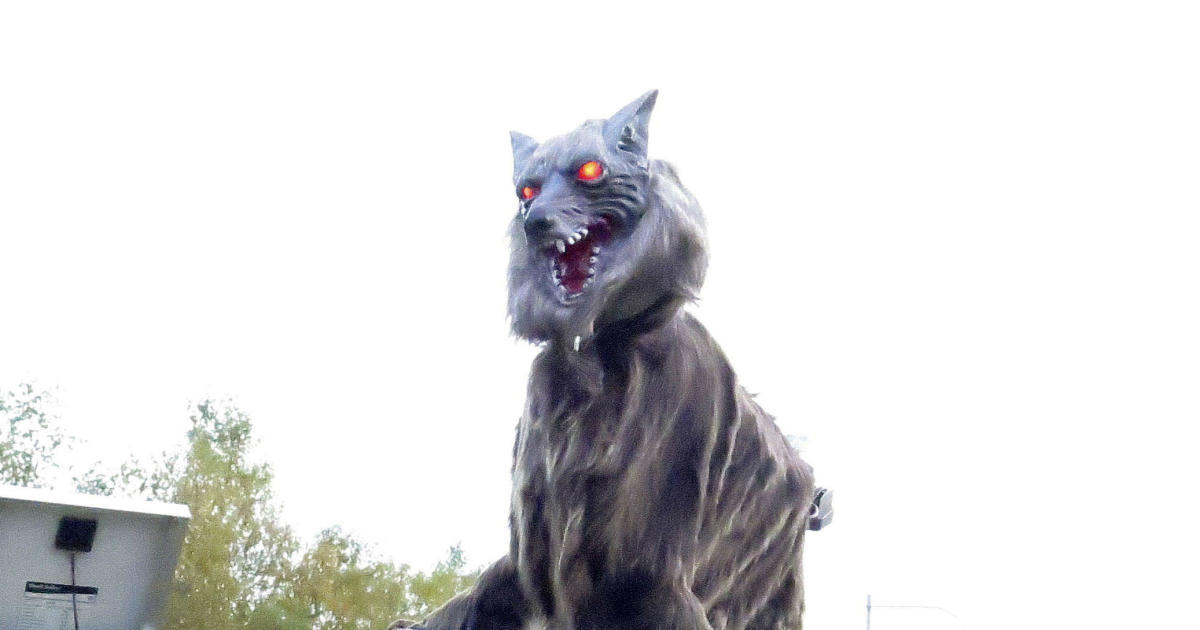
Ohta Seiki says it has received around 50 orders for its $4,000+ "Monster Wolf" devices in 2026, with demand surging as Japan records a new wave of bear attacks and more than 50,000 sightings nationwide. The company is running two to three months behind because the units are handmade, and is now upgrading the product with wheels and exploring handheld and AI-camera versions. The story is constructive for the niche manufacturer but has limited broader market impact.
This is less a quirky gadget story than a signal that Japan’s rural security stack is moving from labor-based deterrence to capitalized automation. The biggest near-term beneficiaries are likely the small cap industrials and niche automation vendors that can sell “good enough” wildlife mitigation hardware into fragmented end markets where labor is scarce and municipalities/farmers need fast deployment, not perfect technology. The second-order effect is on replacement demand: once a farm or golf course buys one unit, the recurring revenue pool expands to batteries, sensors, software updates, maintenance, and eventually mobile/AI-enabled variants, making this more like a durable equipment category than a novelty product.
The more interesting read-through is to Japanese regional policy and insurance. If bear incidents remain elevated through the next 1-2 quarters, prefectures may subsidize deterrence equipment the way they fund flood or seismic mitigation, creating a step-function in order flow. That would pressure traditional hunting/culling service providers and put a ceiling on “manpower-only” solutions, while helping local distributors, solar/battery component suppliers, and edge-AI camera vendors that can bundle into a turnkey safety system.
The contrarian risk is that this demand spike is emotionally driven and may fade once a season passes without more headline attacks. Because the product is hand-built, the near-term bottleneck is manufacturing capacity, not demand, so revenue recognition can lag order intake by months. If the company cannot industrialize production or if a warm winter / government culling campaign reduces sightings, this becomes a classic hype-to-drought cycle rather than a re-rating story.
For investors, the cleaner trade is not the wolf maker itself but the broader Japan rural automation basket: buyers are likely to favor low-capex, high-urgency solutions that can be installed quickly and sold via local channels. The market may underappreciate the option value of a handheld version and AI-camera roadmap, because those products broaden TAM from farm protection to personal safety and patrol use cases; however, execution risk is high and any failure to scale could reverse sentiment quickly.
AI-powered research, real-time alerts, and portfolio analytics for institutional investors.
Request DemoOverall Sentiment
mildly positive
Sentiment Score
0.25
