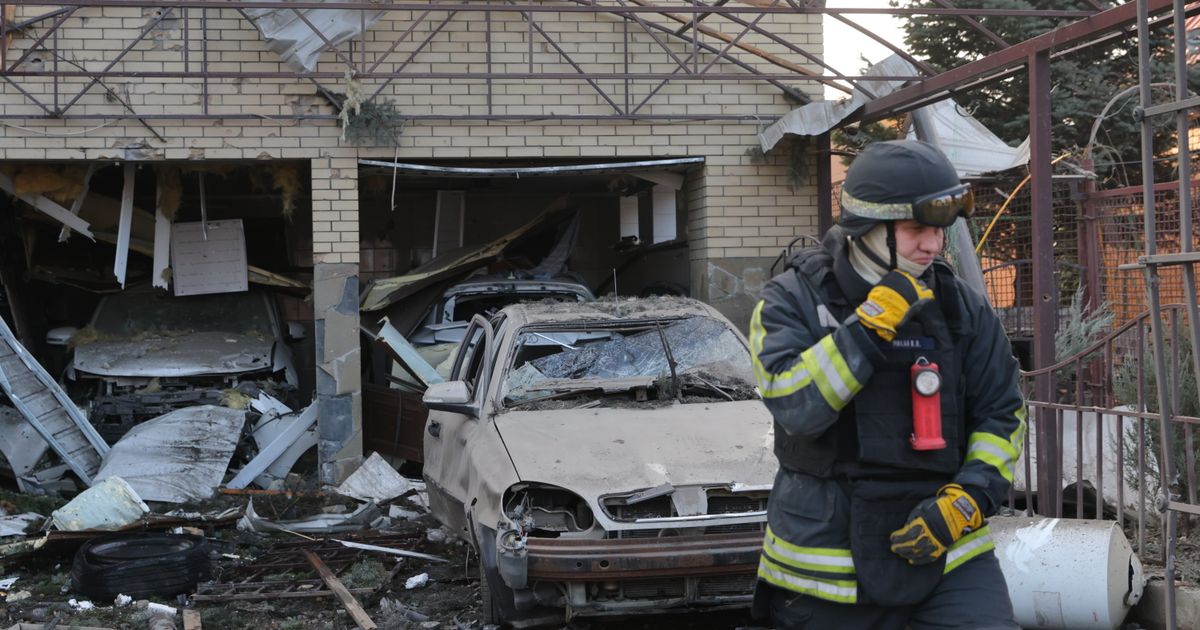
A Russian ballistic missile strike on port infrastructure in Odesa killed eight and wounded 27, while Ukrainian forces reported strikes on Russian oil infrastructure including a Lukoil-operated Filanovsky platform, underscoring continued escalation and physical disruption to energy and transport nodes. EU leaders agreed a 90 billion-euro, interest-free financing package for Ukraine over two years as Kyiv faces near-bankruptcy and the IMF projects a 137 billion-euro need for 2026–27, with Kyiv borrowing on capital markets after failing to repurpose frozen Russian assets. Diplomatic efforts continue, with planned U.S. meetings involving Kirill Dmitriev and Trump envoys, but persistent military actions and sanctions risks keep markets on edge, particularly in European sovereign credit and energy sectors.
Market structure: The strike on Odesa and reciprocal hits on Russian energy infrastructure widen the risk premium on energy, shipping and defense. Winners: US/EU defense primes (sustained procurement cycles) and liquid energy producers; losers: Ukrainian sovereign credit, regional logistics/insurers and Russian oil exporters facing incremental sanctions and physical attrition. Cross-assets: expect oil/gas + implied vol, safe-haven FX (USD, CHF) and gold bids, widening EM/Ukraine sovereign spreads and higher war-risk insurance/shipping rates.
Risk assessment: Tail risks include rapid escalation (Nord Stream–style cutoff or broader sanctions) that could add $10–$20/bbl to Brent in 2–6 weeks, or a diplomatic break-through in 30–60 days that removes 50–100% of the current premium. Immediate (days): volatility spikes and port/shipping disruptions; short-term (weeks–months): sustained energy dislocation and defense procurement; long-term (quarters–years): re-routing of supply chains, EU fiscal strain and restructured energy flows. Hidden dependencies: insurance repricing and rerouting amplify inflation; frozen-asset politics can change funding trajectories suddenly.
Trade implications: Favor tactical long-defense and convex energy exposure while hedging geopolitical event risk. Prefer liquid ETFs/large-cap names to illiquid EM assets; use 1–3 month option structures to capture volatility, and avoid direct bilateral Russian exposure due to sanction tail risk. Entry/exit: act within 1 week for volatility plays, re-evaluate at 30/60/90 days or on confirmed diplomatic progress.
Contrarian angles: The market may overpay the ‘perpetual-war’ premium — a credible peace move (30–60 day window) would compress energy/defense vols by 30–50%, creating mean-reversion opportunities. Conversely, investors under-appreciate persistent insurance/shipping cost impacts that can keep commodity and freight-price floors higher for 12–24 months. Historical parallel: post-2014 sanctions produced multi-year shifts in European energy sourcing rather than quick price normalization, implying durable winners in defense and alternative energy infrastructure.
AI-powered research, real-time alerts, and portfolio analytics for institutional investors.
Request DemoOverall Sentiment
moderately negative
Sentiment Score
-0.55
