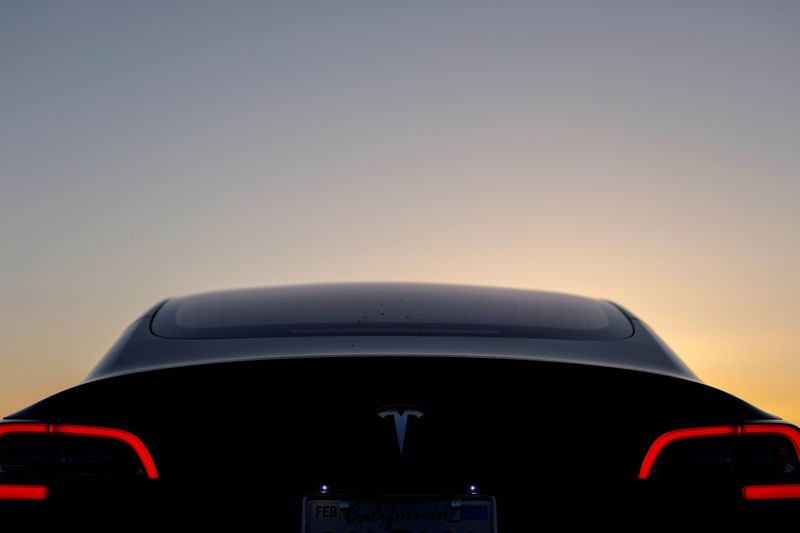
Tesla’s CEO Elon Musk left open the possibility of merging Tesla with SpaceX, pointing to “more and more overlap” amid existing collaborations including Terafab (AI-chip manufacturing). While analysts at JPMorgan and Stifel cite deep operational integration and frame the move as effectively inevitable, they also flag regulatory-approval bottlenecks—especially in China due to national security concerns—and governance complexity from Musk’s larger voting stake in SpaceX. Overall, the news supports continued expectations for integration but remains contingent on major approvals, limiting near-term clarity.
This is a governance optionality story, not a near-term earnings catalyst. Any combination would likely be structured to preserve founder control and tax/regulatory flexibility, so the first tradable effect is multiple expansion/volatility, not synergy realization. For TSLA, that cuts both ways: a “platform” narrative can justify a higher retail-led multiple for a while, but public holders should expect a control discount if they fear capital allocation across auto, space, AI, and manufacturing.
The real second-order winner would be SpaceX’s private cap table, which would gain a liquid mark and a cheaper path to fund adjacent AI and industrial projects. The loser is the broader supplier ecosystem: if procurement and engineering become more centralized, external vendors in batteries, manufacturing, and custom silicon could see lower wallet share over 6-18 months. GOOGL is not a clean read-through; the only AI implication is that it reinforces the already-consensus view that bespoke compute is becoming a strategic capex sink.
The market is likely overconfident on inevitability and underpricing execution risk. China and U.S. national-security review make this a months-to-years process, so any near-term pop is vulnerable if there is no formal filing, special committee, or shareholder process. Until then, this is a volatility trade with headline risk, not a fundamental rerating with durable earnings support.
AI-powered research, real-time alerts, and portfolio analytics for institutional investors.
Overall Sentiment
mixed
Sentiment Score
0.10
Ticker Sentiment
