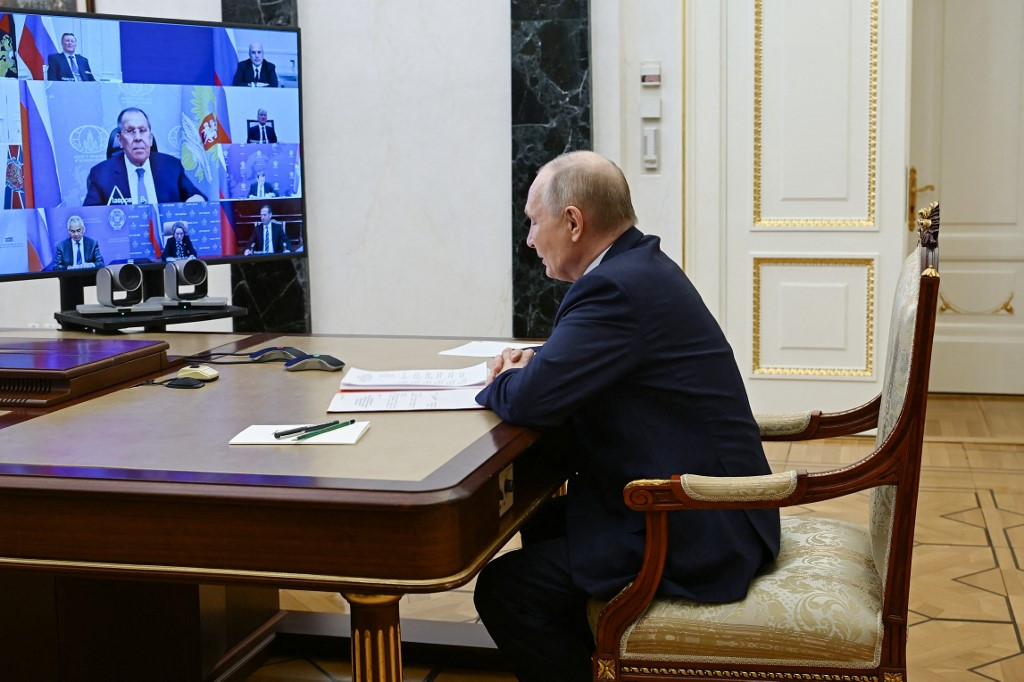
Russia threatened foreign diplomats in Kyiv with "systematic strikes," prompting concern over escalation and diplomatic pressure on Ukraine’s partners. More than 70 foreign missions publicly showed solidarity in Kyiv as Ukraine called the threats "shameless blackmail." The article argues the proper response is to strengthen air defenses such as Patriot, NASAMS, and IRIS-T rather than withdraw personnel.
The market implication is not the diplomatic rhetoric itself, but the signaling that Moscow is willing to broaden the perimeter of risk around Kyiv in order to force Western self-deterrence. That usually translates into a higher near-term probability of air-defense expenditure, emergency procurement, and accelerated drawdown/replenishment cycles across NATO inventories, which is supportive for the defense supply chain even if the headline reads as escalation. The second-order winner is less the obvious prime contractors and more the munitions, radar, C4ISR, and interceptor bottleneck names where lead times remain the binding constraint.
The key risk catalyst is not a one-off strike threat; it is whether this becomes a template for repeated coercive messaging ahead of any politically sensitive Western decision point. If the Kremlin is testing support elasticity in Washington and European capitals, the relevant horizon is days to weeks for sentiment, but months for actual budget and procurement effects. A pause or fragmentation in aid would matter more than any single battlefield event because it would immediately raise intercept-rate pressure and expose short-duration inventory shortages.
The contrarian read is that this may be more theater than escalation, and markets may overprice the headline risk while underpricing the persistence of defense demand. Historically, coercive Russian signaling tends to generate an initial risk-off impulse, then reverses once allies visibly double down. If that pattern repeats, the trade is not on broad Europe beta; it is on selective exposure to air-defense replenishment, with the real upside in the companies supplying the scarce components rather than the headline primes.
AI-powered research, real-time alerts, and portfolio analytics for institutional investors.
Request DemoOverall Sentiment
moderately negative
Sentiment Score
-0.45
