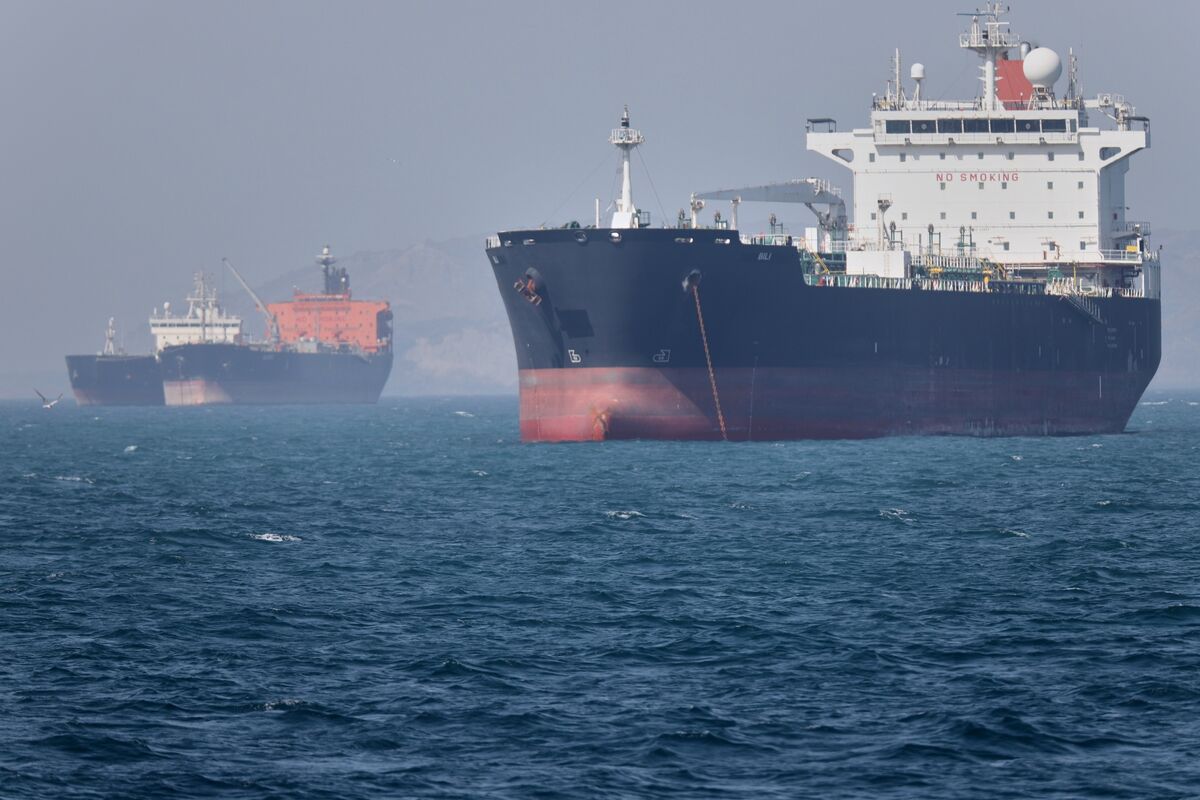
US and Iranian forces exchanged fire in the Persian Gulf, jolting a four-week-old ceasefire and raising the risk of renewed strikes on Iranian targets. American warships escorted two US-flagged vessels through Hormuz, while the UAE blamed an Iranian drone strike for a large fire at Fujairah port. The escalation is likely to pressure shipping routes, regional energy flows, and broader risk sentiment.
This is not just a headline risk event; it is a regime change in logistics optionality. Even if the ceasefire holds tactically, the market is now forced to price a higher probability of intermittent Gulf disruption, which raises the value of route redundancy, war-risk insurance, and inventory buffers across energy and shipping chains. The immediate second-order winners are firms with assets outside the choke point and balance sheets strong enough to pass through volatility, while the losers are transport and industrial users with just-in-time exposure to Middle East flows.
The faster-moving transmission is in freight and insurance, not crude alone. A sustained security premium in Hormuz typically shows up first in tanker rates, port handling costs, and working-capital drag for importers before it fully feeds through to spot energy prices. That means companies exposed to Asian/Middle East routing and marine insurance may see margin pressure even if headline oil only moves modestly; the broader risk-off tone also hurts banks with regional loan books and trade finance exposure, which is consistent with the negative read-through for HSBC.
The key catalyst set is days-to-weeks, not quarters: any repeat strike, vessel incident, or port disruption will quickly force corporate hedging and sovereign response. What could reverse the move is credible de-escalation plus visible escorting of traffic without further damage, but the market usually needs multiple quiet weeks to unwind an event like this. Until then, the asymmetry favors paying for protection rather than chasing upside in cyclicals.
The contrarian angle is that the market may overprice a sustained supply shock while underpricing duration risk. If the conflict remains contained, energy may mean-revert faster than defense and logistics equities, while the bigger structural trade is in elevated capex for security, automation, and rerouting rather than in a one-day oil spike. That creates a better medium-term setup in defense infrastructure and select logistics beneficiaries than in broad commodity beta.
AI-powered research, real-time alerts, and portfolio analytics for institutional investors.
Request DemoOverall Sentiment
strongly negative
Sentiment Score
-0.65
Ticker Sentiment
