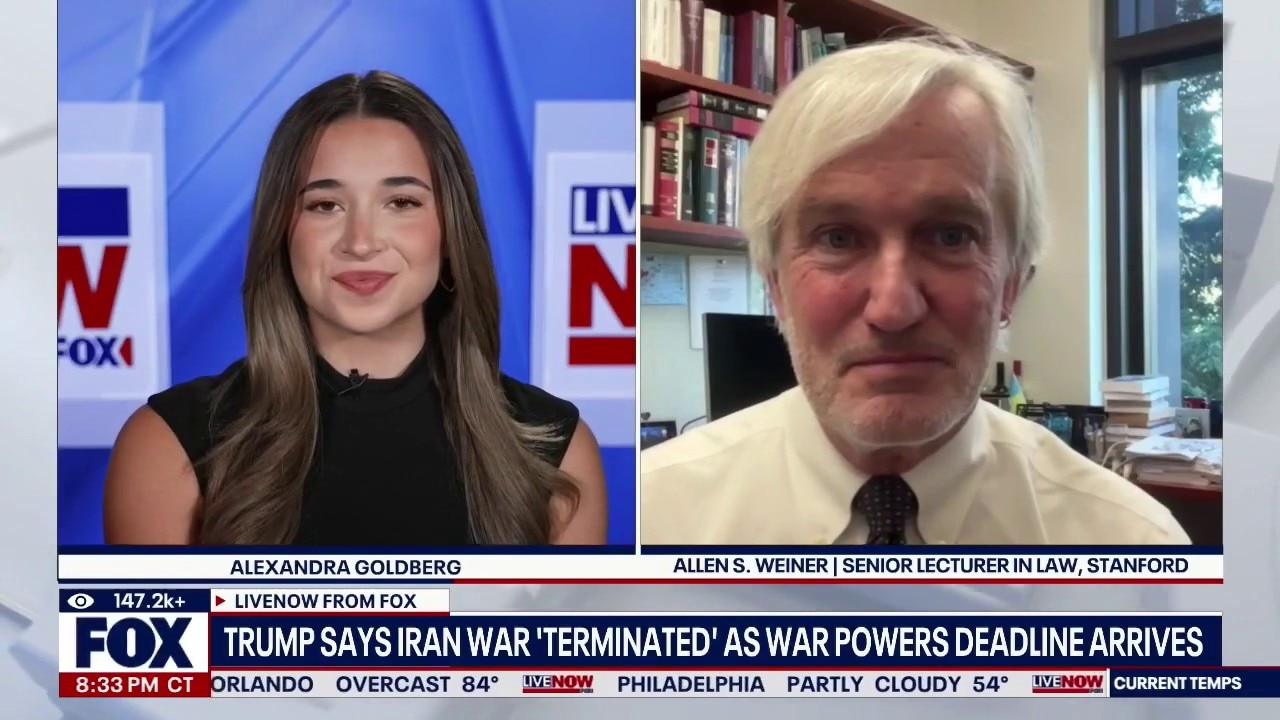
Trump rejected Iran’s latest peace proposal as the war enters its third month, while the U.S. warned shipping firms they could face sanctions for paying Iran to transit the Strait of Hormuz. The blockade and restricted passage through a waterway handling about one-fifth of global oil and gas trade are helping lift oil-linked costs for food, fuel and other petroleum-derived products. Congress also missed the May 1 War Powers deadline without authorizing the conflict, adding a domestic political and legal flashpoint.
The market should treat this less as a binary ceasefire headline and more as a rolling supply-chain tax on global trade. The key second-order effect is not just higher crude; it is a widening insurance, financing, and routing premium across every barrel that must move through the region, which hits refiners, tankers, and inventory-heavy industrials before it fully shows up in headline oil prices. The U.S. warning against paying for passage also closes an important shadow-market workaround, so even a partial reopening may not normalize freight flows quickly.
The near-term risk is a discontinuous jump in shipping costs if a single high-profile incident forces carriers to reroute or suspend loadings again. That creates a lagged inflation impulse over 4-12 weeks: fuel first, then packaged food, chemicals, airlines, and ultimately consumer discretionary margins. Energy equities may look like the obvious hedge, but the cleaner trade may be on the relative winners of scarcity pricing versus the losers of input-cost compression.
Politically, the deadline for legislative intervention raises the probability of a policy pivot rather than a clean resolution. Once Congress starts asserting itself, the market has to price either a constrained escalation path or a forced de-escalation attempt; both are volatility-positive because they extend the time horizon of uncertainty. The biggest contrarian miss is that a “shaky ceasefire” does not have to fail for markets to stay stressed—persistent uncertainty alone is enough to keep freight, insurance, and inventory buffers elevated for months.
From a cross-asset perspective, this is a better volatility trade than a directional oil-only trade because much of the bad news is already in crude, while logistics and airfreight are earlier in the repricing cycle. If the Strait remains constrained, margin pressure should show up first in sectors with low pricing power and high fuel intensity; if diplomacy improves, those names rebound faster than upstream energy gives back gains.
AI-powered research, real-time alerts, and portfolio analytics for institutional investors.
Request DemoOverall Sentiment
moderately negative
Sentiment Score
-0.45
