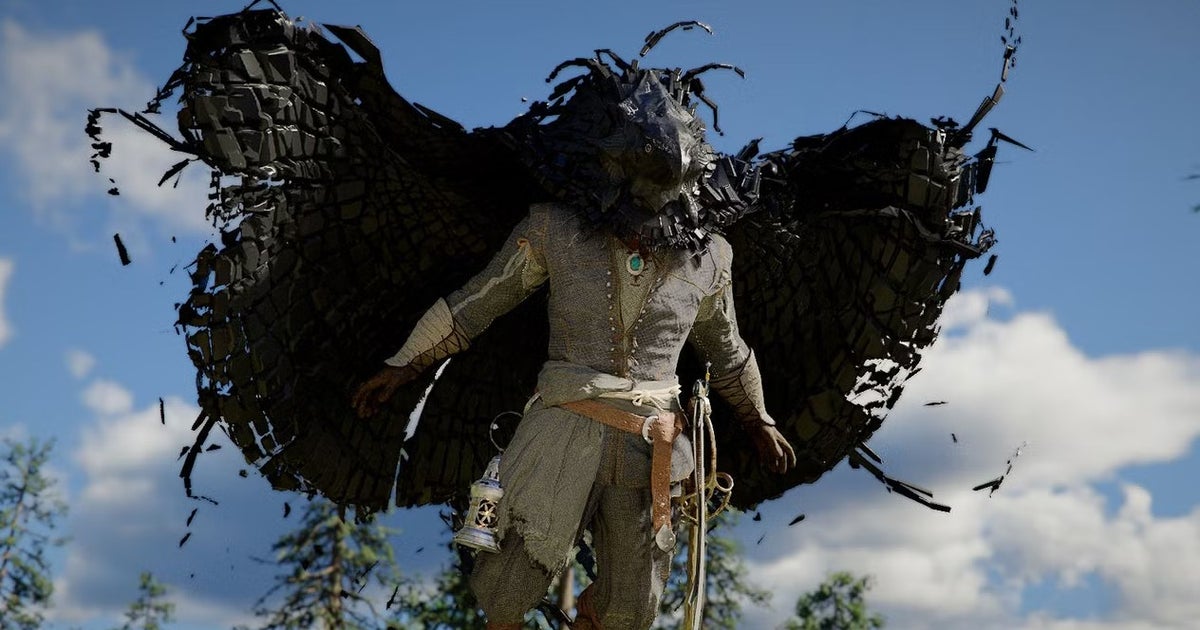
Crimson Desert sold through 2 million copies in its first day following release. Despite the strong one-day sell-through, players report launch problems — Xbox App PC failures, poor performance on base PS5, asset repetition, control issues and refund requests — and Pearl Abyss says it will prioritize fixes. The combination of robust initial demand and notable technical issues implies near-term revenue upside tempered by execution and reputation risk.
The key investment angle is not the headline consumer uptake but the durability of monetization and platform trust. Premium single-player RPGs, when they land as live-opizable IP, show a long revenue tail – expansions, cosmetics, and streaming/content-driven catalog value can sustain 30-40% of first-year revenues into years two and three if community sentiment stays neutral-to-positive. Conversely, short-lived launch friction reduces not only immediate digital revenue but also reduces lifetime conversion to DLC/expansions: a 1ppt decline in community conversion on a 100m-install-base platform equates to ~1m lost purchases, or roughly $60m at a $60 ASP — a tangible hit to a platform holder or mid-cap publisher's P&L.
Operationally, expect near-term cost pressure and two technical bottle-necks that matter to market pricing: (1) higher Opex for accelerated patching and CDN/cloud usage in the first 30–90 days, which can add mid-single-digit millions for a mid-size studio and (2) increased QA scrutiny from platform holders that lengthens certification windows for future titles by weeks if issues persist. Both dynamics compress free cash flow in the quarters immediately after launch and shift marketing spend towards remediation rather than new user acquisition.
Catalyst cadence is clear: community sentiment (reviews, refund rates) moves in days–weeks and will determine conversion onto later monetization; studio execution on patches and communication determines recovery over 3–9 months. The contrarian bet is that short-term technical headlines over-penalize long-term value: if the studio executes a disciplined three-patch roadmap and converts a fraction of initial players to paid DLC or season content, the equity/partner assets priced for a multi-quarter hit can rebound materially within 6–12 months.
AI-powered research, real-time alerts, and portfolio analytics for institutional investors.
Request DemoOverall Sentiment
mixed
Sentiment Score
0.05
