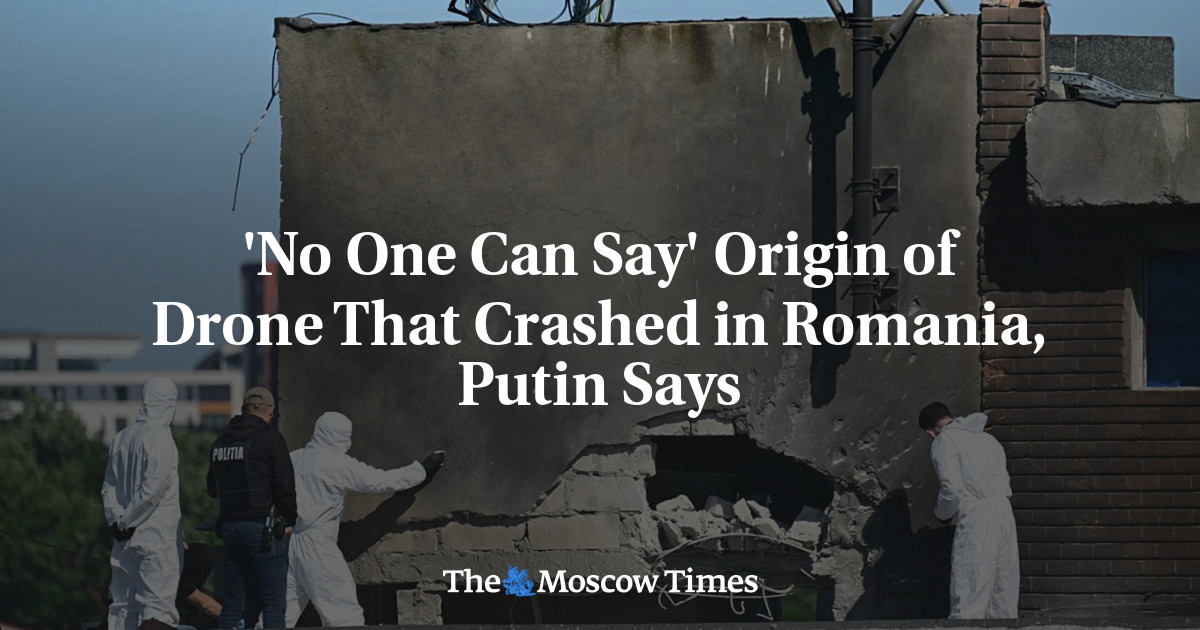
A Russian drone reportedly crashed into a residential building in Galati, Romania, injuring 2 people and prompting Romania to close Russia’s consulate in Constanta, expel the Russian consul, and summon the Russian ambassador. Romania called the incident a serious escalation and said it informed NATO, while Secretary General Mark Rutte pledged "absolute solidarity" and described Russia’s behavior as a danger to all members. The episode raises the risk of further NATO-Russia tension after multiple drone incursions near alliance airspace.
This is less about a single drone and more about an escalation ladder that keeps moving one rung higher. The market implication is that the probability distribution is fattening on the tail: even without a formal Article 4 event, repeated airspace violations force NATO states to spend more on detection, short-range air defense, and counter-UAS systems faster than planned. That is structurally bullish for European defense budgets and for suppliers with deployable anti-drone layers, while also increasing the odds of procurement urgency bypassing normal budget cycles over the next 1-3 quarters.
The second-order effect is regional risk premia, not immediate macro damage. Romania’s Black Sea exposure means logistics, ports, insurers, and any assets tied to the Danube/Black Sea corridor can see transient risk repricing after each incident, especially if civilian infrastructure is hit again. The key issue is not just destruction but demonstrated inability to defend low-altitude threats; that pushes demand toward layered systems where radar, EW, interceptors, and software are bundled, favoring primes and niche counter-UAS vendors over legacy air-defense contractors with slower delivery.
Consensus may underappreciate how politically useful this is for NATO defense hawks. A residential strike makes the debate about drone budgets concrete, and that can accelerate ordering even if the legal attribution remains contested. The main reversal catalyst is either a clean forensic result that shifts blame away from Russia or a successful de-escalatory channel that reduces cross-border activity; absent that, each repeat incident keeps the market anchored in a higher-defense-spend regime for months rather than days.
AI-powered research, real-time alerts, and portfolio analytics for institutional investors.
Request DemoOverall Sentiment
strongly negative
Sentiment Score
-0.55
