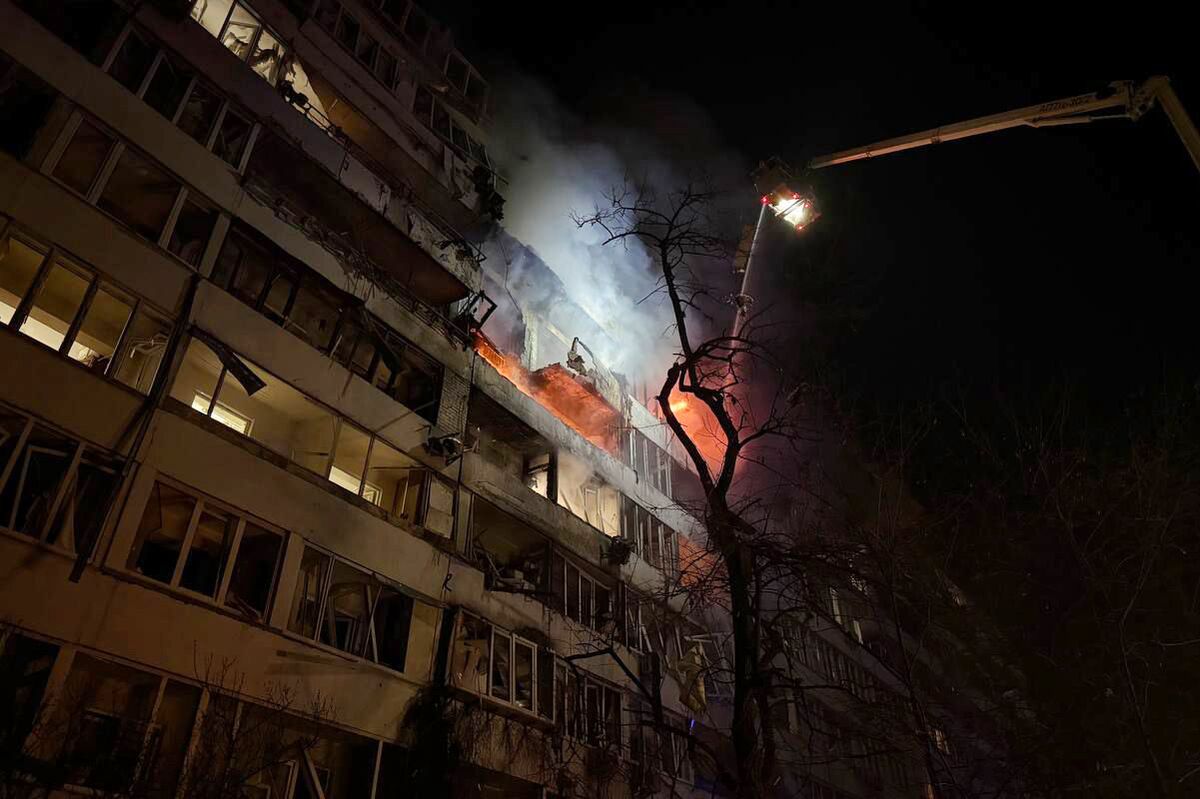
U.S. Army Secretary Dan Driscoll traveled to Abu Dhabi to meet a Russian delegation as President Donald Trump cited progress on his peace proposal, even as Moscow and Kyiv exchanged overnight airstrikes. The meeting signals U.S.-Russia diplomatic engagement amid ongoing hostilities, creating continued geopolitical risk and policy uncertainty that hedge funds should monitor for potential impacts on defense exposure, regional stability, and commodity markets should escalation or shifts in sanctions policy follow.
Market structure: Diplomatic engagement amid active hostilities preserves tail-risk premium in defense and energy while keeping downside for travel and EM risk assets. Expect 3–7% intra-quarter upside for prime defense contractors (Lockheed, RTX, Northrop) on renewed contract acceleration and 5–12% realized vol in related options; crude has a plausible $5–15/bbl shock range on escalation or supply-routing friction. FX and rates will behave like classic risk-off: stronger USD, lower UST yields in immediate windows as flight-to-safety amplifies.
Risk assessment: Tail scenarios include rapid escalation (NATO spillover, 10–20% oil spike) or a détente leading to 10–20% unwind in defense premium; both are low-probability (<20%) but high-impact. Immediate (days) risk = headline-driven vol; short-term (weeks–months) = policy/sanctions shifts; long-term (12–36 months) = structural rerouting of energy and defense supply chains. Hidden dependencies: winter energy demand curves, insurance costs for shipping, and upcoming domestic political calendar that could force policy shifts.
Trade implications: Bias to long defense and energy, short travel/EM country exposure, and use options to control tail risk. Prefer 3–6 month instruments: buy calls or call spreads on LMT/NOC and WTI while adding protective puts on airline names and EM commodity proxies. Size initial engagements modestly (1–3% NAV) and scale into confirmed catalyst paths (sanctions change, oil export disruptions).
Contrarian angles: Consensus assumes persistent premium for defense; that is underdone if the Abu Dhabi track yields a tangible ceasefire in 30–60 days—defense names could fall 10–20%. Conversely, markets underprice secondary commodity squeezes (nickel/aluminum) which could lift select miners (FCX, RIO) by 8–15% on localized shutdowns. Implement asymmetric option structures to benefit from both outcomes rather than naked directional exposure.
AI-powered research, real-time alerts, and portfolio analytics for institutional investors.
Request DemoOverall Sentiment
mildly negative
Sentiment Score
-0.25
