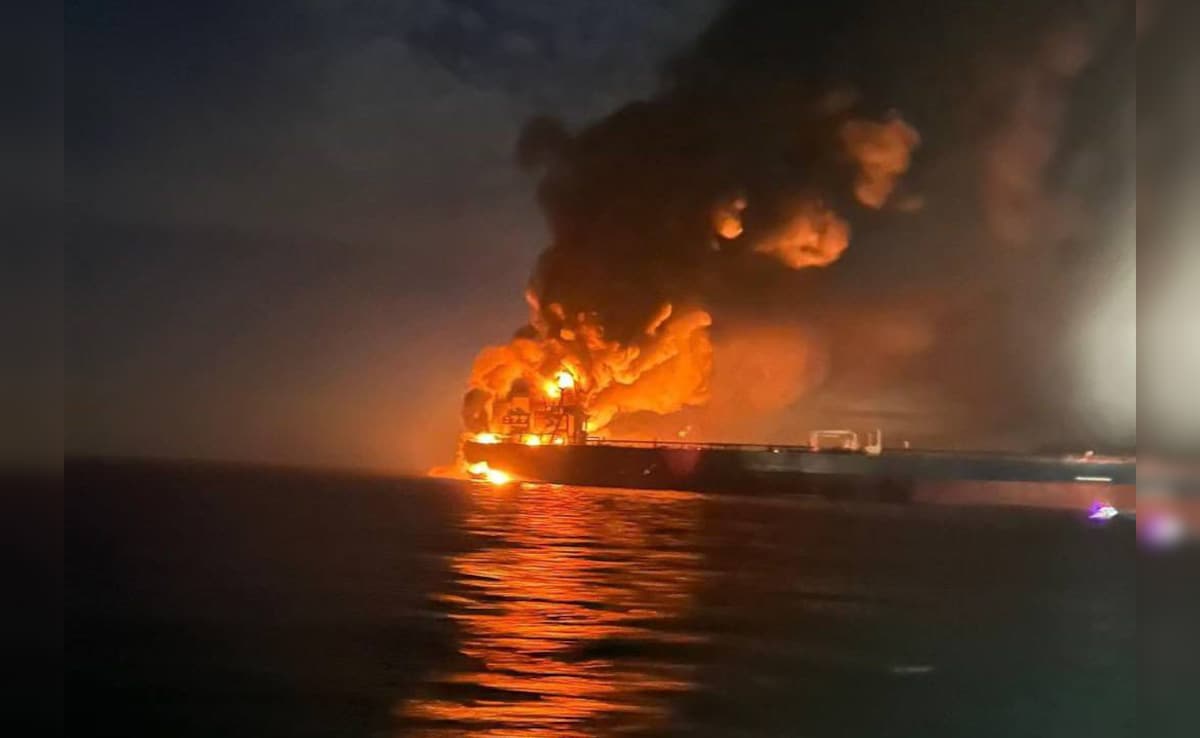
Unmanned sea vehicles struck the Russian oil tanker VIRAT twice in the Black Sea, and Ukraine's SBU — in a joint operation with the navy — claimed responsibility, saying modernised 'Sea Baby' naval drones also hit a second sanctioned tanker, KAIROS. Both vessels are part of Russia's so-called 'shadow fleet' that hauls oil in breach of Western sanctions; Kyiv and sources estimate the targeted cargoes could be worth roughly $70 million, and the SBU said the attacks effectively put the ships out of service. The strikes heighten risks to sanctioned oil logistics and could tighten flows from Russian ports, creating near-term geopolitical upside pressure on energy markets and increased scrutiny of maritime insurance and shipping routes.
Market structure: The strikes remove tonnage from the ‘‘shadow fleet’’, tightening available seaborne crude tanker capacity and lifting spot freight and war‑risk premiums; expect VLCC/Suezmax rates to spike 15–40% in weeks if attacks continue, benefiting listed tanker owners with modern, insured fleets while increasing costs for refiners relying on seaborne Russian crude. Commodity prices: a contained disruption should push Brent/WTI +$1–3/bbl near‑term; sustained escalation or broader interdiction could add $5–10/bbl and materially widen Brent–Urals spreads for 1–3 months.
Risk assessment: Tail risks include closure of Bosphorus lanes, broader naval escalation, or secondary sanctions on insurers/shippers — each could crater Russian export ability and trigger a sharp energy shock; probability low but systemic impact high (oil +$10+/bbl, shipping index +50%). Immediate (days): volatility spike and knee‑jerk flows into oil and Treasuries; short term (weeks–months): re‑routing, higher insurance, and earnings lift for tanker owners; long term: acceleration of onshore pipeline dependency and sanctions‑resilient shipping networks.
Trade implications: Direct plays favor long modern tanker owners (Frontline FRO, Ardmore ASC) and short insurance/war‑exposed logistics names; directional crude exposure via short‑dated Brent call spreads or BNO calls captures upside with defined risk. Options: buy 3‑month call spreads on Brent (caps cost) and 1–2% position in defense contractors with maritime UUV capability (LHX/RTX) for 6–18 months.
Contrarian angles: The market may overrate permanent capacity loss — Russia can pivot to pipelines and non‑Western insurers (China/India), making a fast mean reversion plausible in 4–8 weeks. If implied oil volatility jumps >50% without physical supply confirmation, selling very near‑dated call spreads could be profitable; historical parallels: 2019 tanker incidents caused 2–6 week spikes then mean reversion.
AI-powered research, real-time alerts, and portfolio analytics for institutional investors.
Request DemoOverall Sentiment
moderately negative
Sentiment Score
-0.45
