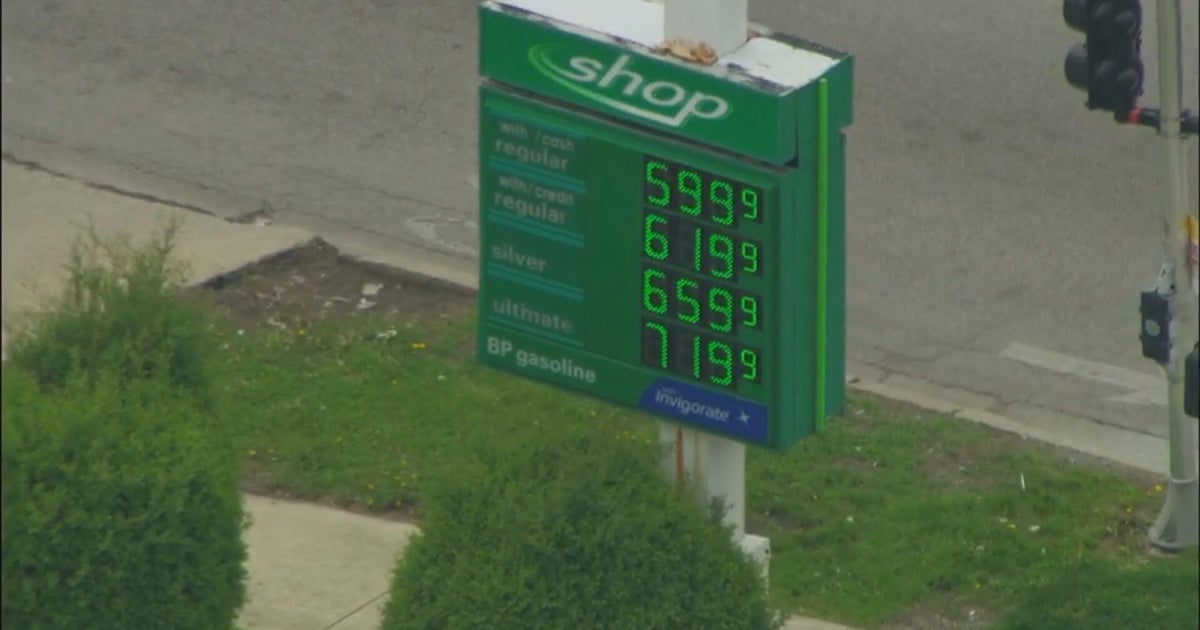
Gasoline prices are spiking nationally and in Chicago, with U.S. regular averaging $4.30 per gallon and Chicago averaging $5.05, up more than 15 cents from Wednesday and $1.32 above pre-war levels. In Chicago, some stations are charging $5.99 for regular and more than $7.00 for premium, while Brent crude topped $126 per barrel. The move is being driven by the Iran war and continued disruption fears around the Strait of Hormuz, creating broad inflationary pressure for consumers and transport costs.
The immediate market winner is upstream and integrated energy, but the more interesting trade is not beta to crude — it is the widening dispersion between firms with domestic cost exposure and those with downstream, consumer-sensitive exposure. Every incremental move in gasoline is a tax on discretionary spend, so the second-order losers are air travel, parcel delivery, quick-service restaurants, and lower-end retail, where demand elasticity shows up first in 1-3 quarter lags. That makes this less a pure commodity shock and more a margin-transfer event from consumers and transport-heavy businesses to the energy complex.
The geopolitical setup matters more than the spot move. If shipping through key chokepoints remains impaired, inventories can deplete faster than headline demand suggests, keeping refined products tight even if crude retraces. The risk to the rally is not just a ceasefire; it is credible evidence of restored export flows or a coordinated SPR response, either of which could compress crack spreads within days to weeks even if Brent stays elevated.
For portfolios, the asymmetric risk is in inflation-sensitive cyclicals and small-cap consumer names with limited pricing power, not just in broad equity indices. Gasoline at these levels tends to hit sentiment before it hits earnings, but the earnings revisions usually follow with a lag, so the market may be underpricing the duration of margin pressure. Conversely, energy names with strong free cash flow and low leverage should remain supported as long as the conflict premium persists, though the trade becomes crowded quickly if crude holds above current levels for multiple sessions.
The contrarian view is that peak panic may arrive before peak fundamentals. If the market is already pricing a supply shock, further upside in oil may be capped unless there is a clear physical export outage; that makes refined-product and transport shorts potentially cleaner than outright crude shorts. The better entry is often after a 1-2 day pause in crude but before equity analysts mark down consumer names, because the equity lag creates a temporary mispricing window.
AI-powered research, real-time alerts, and portfolio analytics for institutional investors.
Request DemoOverall Sentiment
strongly negative
Sentiment Score
-0.65
Ticker Sentiment
