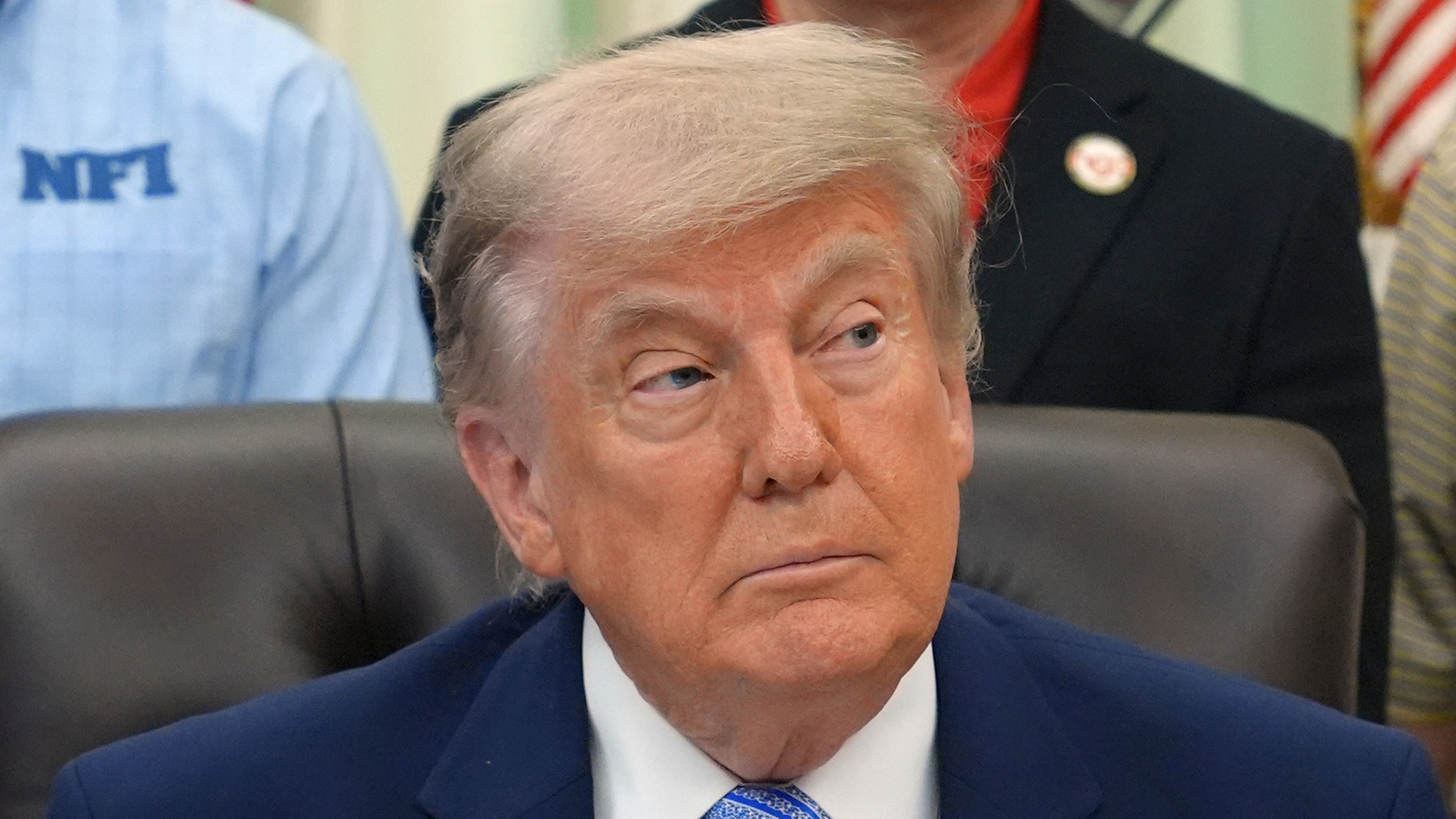
A nearly $1.8B 'Anti-Weaponization Fund' created under a Trump-IRS settlement has triggered bipartisan backlash, with Democrats calling it an 'outrageously corrupt' use of taxpayer money. The settlement also ends existing IRS audits of Trump, his family, and related businesses, while a DOJ addendum appears to bar the IRS from pursuing current matters tied to him. Senators Warren and Wyden are pressing Treasury and IRS leadership for details and calling for an inspector general investigation.
This is less a direct operating hit to the IRS than a governance shock that widens the discount on any asset tied to federal tax administration credibility. The first-order market read is political theater, but the second-order effect is tangible: if Treasury/IRS decision-making is perceived as negotiable, the probability of broader enforcement slowdown rises, which can reduce near-term audit intensity and worsen fiscal optics. That is mildly supportive for high-tax, highly scrutinized businesses in the very short run, but the more important consequence is a higher risk premium on any policy-dependent rate path or fiscal negotiation that assumes institutional predictability.
The biggest loser is not a single taxpayer cohort; it is process legitimacy. Once an exception is seen as monetizable, every future settlement, audit reprieve, or enforcement action becomes a political bargaining object, increasing litigation volume and delaying collections. That creates a modest negative for the Treasury funding narrative over the next 1-3 quarters and raises the odds of headline-driven volatility around tax policy, DOJ/Treasury leadership, and broader budget negotiations.
The contrarian point is that markets may be underpricing how quickly Republicans could use this as cover to harden future enforcement budgets or to force oversight constraints in must-pass legislation. In that case, the rally attempt in “tax relief by chaos” beneficiaries would fade quickly, while firms sensitive to federal contracting or regulatory discretion could see a temporary but sharp multiple compression. The event is therefore more useful as a volatility catalyst than as a durable fundamental change, with the highest signal likely in options and relative-value trades rather than outright directionals.
AI-powered research, real-time alerts, and portfolio analytics for institutional investors.
Request DemoOverall Sentiment
strongly negative
Sentiment Score
-0.60
Ticker Sentiment
