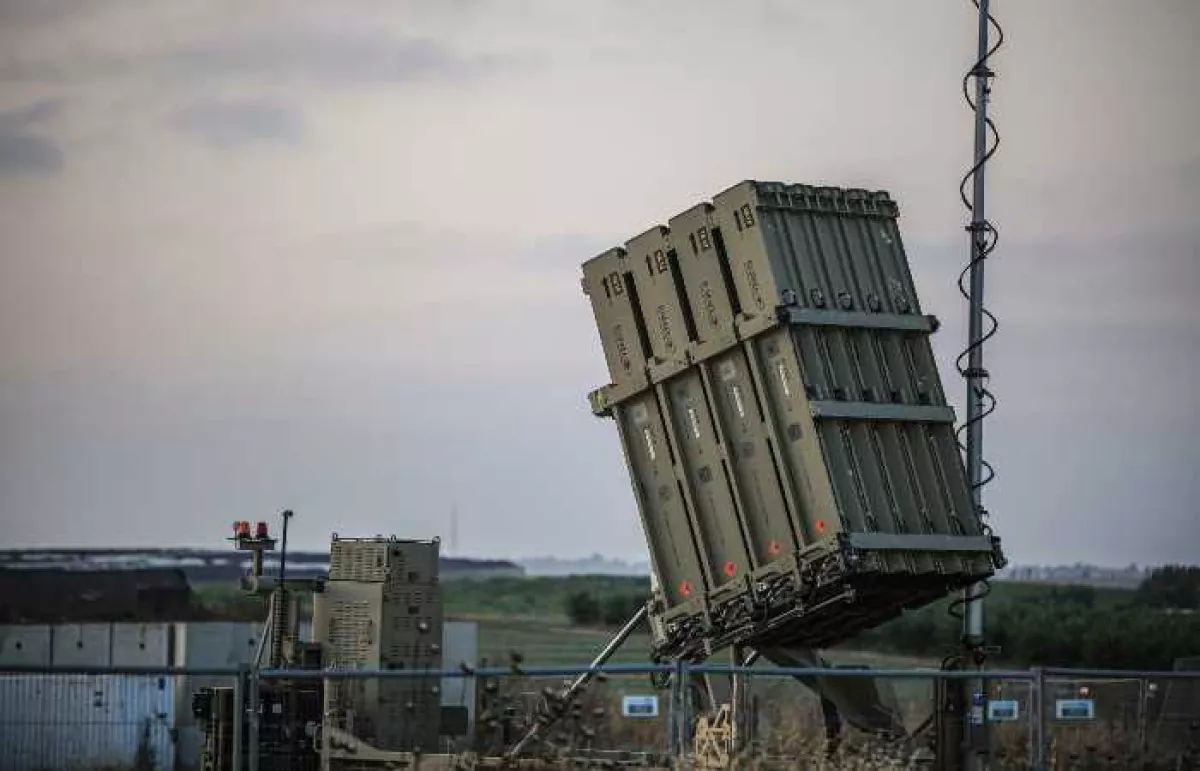
Israel reportedly deployed an Iron Dome battery, interceptors, and several dozen operators to the UAE at the start of the conflict with Iran, marking the first time the system has been stationed in another country. Axios says the system intercepted dozens of Iranian missiles, underscoring the regional escalation and the UAE's exposure to attacks. The move could trigger domestic political backlash in Israel even as it highlights deeper security coordination with the UAE.
The key market signal is not the intercept performance itself, but the implied normalization of cross-border defense sharing inside a region that has historically treated air-defense sovereignty as non-transferable. That creates a medium-term tailwind for integrated missile-defense supply chains: interceptors, radar, command-and-control, and replenishment logistics should see higher order visibility as Gulf states internalize that premium protection now has to be forward-deployed, not just procured. The second-order effect is that inventory depth becomes a strategic asset, which favors vendors with scalable production and hurts smaller defense primes that can sell systems but cannot guarantee wartime replenishment.
Politically, the most important risk is domestic blowback in the provider country. If the public or coalition partners frame external deployment as reducing homeland readiness, it can force a re-prioritization of batteries back toward domestic coverage within days to weeks, shortening the duration of any external posture and creating headline risk for defense equities tied to the theater. That also raises the probability of a larger procurement cycle later: once a country proves a system can be exported operationally, the next step is usually multi-year procurement, training, and maintenance contracts rather than one-off deployment.
For the Gulf, the episode is a reminder that regional security guarantees are becoming increasingly transactional and hardware-based. That should be positive for local defense capex, but it also means sovereigns may accelerate diversification toward layered air defense and counter-UAS rather than single-platform procurement, which benefits companies with integrated architectures. The contrarian view is that the market may overestimate near-term spending: a short deployment can create a lot of political symbolism without immediately translating into orders, so the trade is better expressed through suppliers with backlog conversion risk rather than pure sentiment names.
AI-powered research, real-time alerts, and portfolio analytics for institutional investors.
Request DemoOverall Sentiment
mildly negative
Sentiment Score
-0.15
