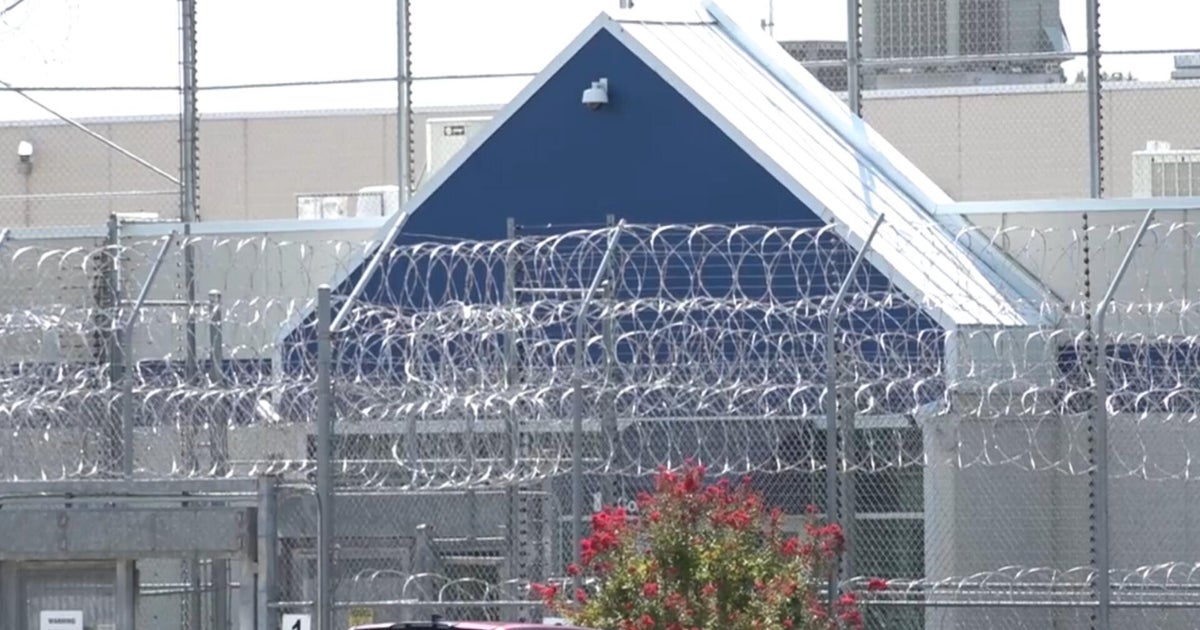
A federal appeals court rejected the Trump administration’s mandatory ICE detention policy, limiting its application in Connecticut, New York, and Vermont and deepening a judicial split with the 5th and 8th Circuits. The ruling undercuts a broad immigration enforcement approach that would have expanded mandatory detention to many noncitizens living in the U.S. for years. DHS said it will continue defending the policy in higher courts.
This is less a direct market catalyst than a slow-burn policy shock that raises operating friction for the entire immigration-enforcement complex. The first-order effect is budget stress: if detention is constrained by court rulings in large population centers, ICE either has to absorb higher per-detainee legal/admin costs or push harder on alternatives to detention, which is structurally cheaper and reduces demand for bed capacity. The second-order effect is geographic fragmentation: a split across circuits makes venue choice and timing more important, increasing uncertainty for states, local contractors, and any asset tied to detention throughput.
The biggest market implication is not a clean sector winner, but an asymmetry between headline risk and cash-flow risk. Private prison and detention-linked names are vulnerable to multiple compression if investors start pricing lower utilization and more legal reversals, but the revenue hit may lag because federal agencies can redirect detainees across jurisdictions and accelerate appeals for months. That creates a tradable window where the narrative can worsen before the actual utilization data do, especially if the Supreme Court agrees to review the split and extends uncertainty through year-end.
Contrarian angle: the market may be overestimating how much detention capacity actually changes on the ground in the near term. A judicial loss does not automatically translate into an immediate policy unwind; it can lead to more aggressive processing, more ankle-monitor/ATD usage, and a reallocation of detainee populations rather than a simple collapse in demand. The larger tail risk is political: if enforcement is perceived as constrained, the administration may respond with broader executive actions that are harder to model and more volatile for sentiment across domestic-politics exposures.
AI-powered research, real-time alerts, and portfolio analytics for institutional investors.
Request DemoOverall Sentiment
mildly negative
Sentiment Score
-0.15
For equities, the cleaner trade is on legal uncertainty rather than pure policy direction. The risk/reward favors shorting detention-exposed names on any post-ruling strength and keeping the downside hedge through options, because the next catalyst is likely a procedural appeal or injunction rather than immediate legislative resolution. The time horizon is months, not days, and the key variable is whether the circuit split forces faster Supreme Court intervention or allows a prolonged patchwork regime.
