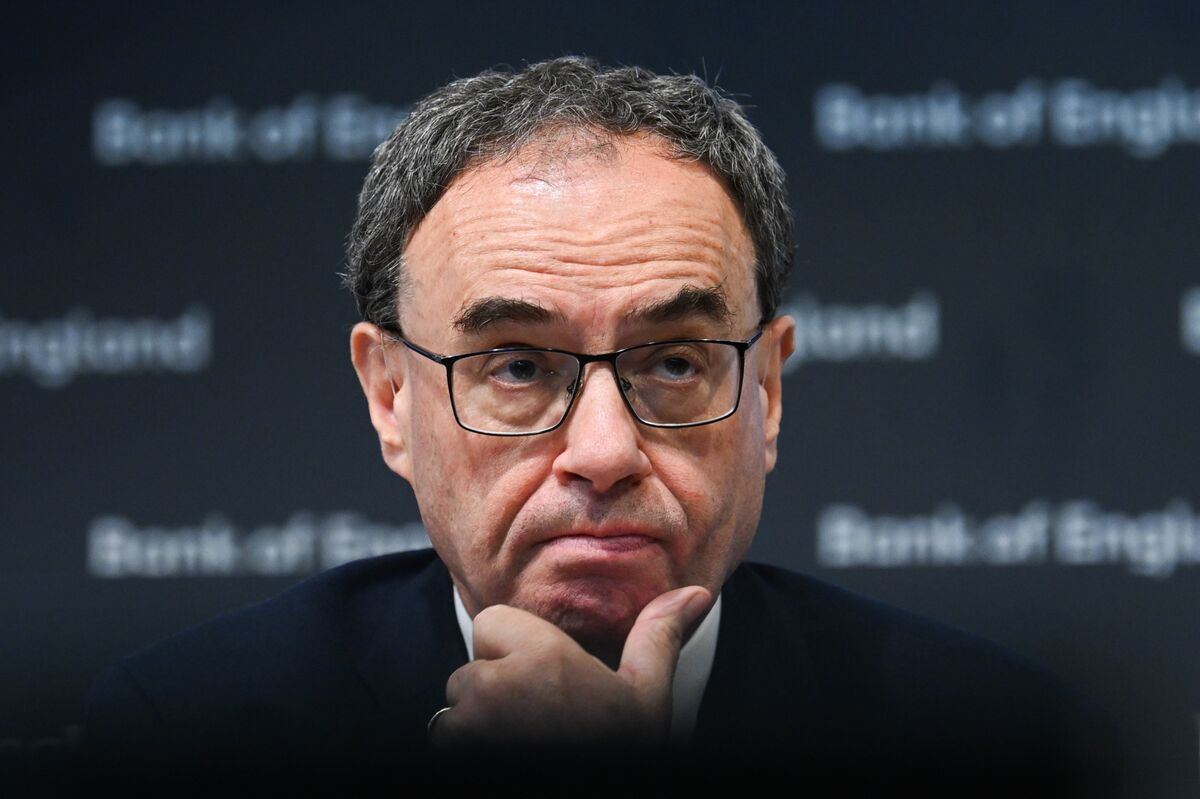
Bank of England Governor Andrew Bailey is advocating for a more comprehensive trade agreement between the UK and the EU, citing the need to bolster economic growth and mitigate the adverse economic consequences stemming from Brexit. Bailey's statement underscores concerns within the central bank regarding the long-term economic impact of the current trade arrangements.
Bank of England Governor Andrew Bailey's public call for a deeper trade agreement with the European Union highlights significant concerns at the central bank regarding the ongoing negative economic repercussions of Brexit. His specific urging for a new deal to bolster growth and "minimize negative effects" indicates that the current trade arrangements are perceived as a material drag on the UK economy. This assessment aligns with the provided moderately negative sentiment score of -0.4 and cautious tone, suggesting that these economic challenges are well-recognized. The statement's significance is further underscored by its potential for a moderate market impact, implying that shifts in UK-EU trade policy could influence asset valuations and investor confidence.
AI-powered research, real-time alerts, and portfolio analytics for institutional investors.
Request DemoOverall Sentiment
moderately negative
Sentiment Score
-0.40
