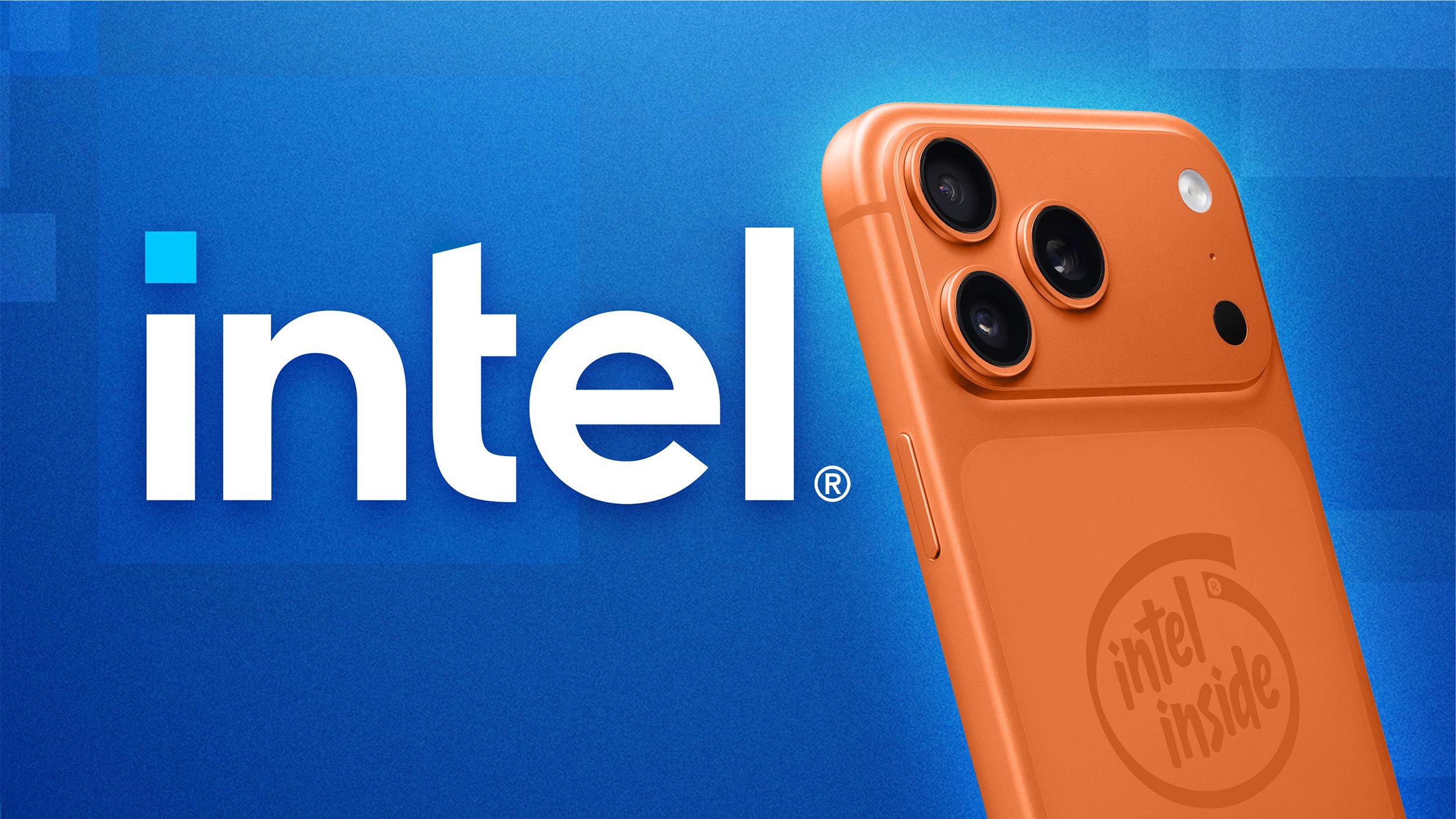
Apple is reportedly negotiating to have Intel fabricate some iPhone chips (Apple-designed A21/A22) using Intel's 14A process when it reaches mass production in 2028, while Intel may also supply low-end M-series chips for Macs and iPads on its 18A process as early as mid-2027. TSMC is expected to remain Apple's primary foundry, but the Intel tie-up would diversify Apple’s supply chain, bolster U.S. manufacturing exposure and relieve pressure from TSMC capacity constraints driven by surging AI demand (Nvidia surpassing Apple as TSMC's largest customer). The reports are analyst-driven rumors with multi-year timelines, so the development is strategically important but not an immediate market mover.
Market structure: Apple diversifying to Intel (fabrication-only) is a win for AAPL (less single-supplier risk) and INTC (securing a multi-year high-margin customer for 14A/18A capacity targeted for 2027–2028). TSMC faces incremental pricing and share pressure on lower-end nodes and margin dilution risk if it concedes volume or raises prices to cloud customers (NVDA) competing for capacity; expect modest downward pressure on TSMC ASPs for commodity nodes over 2027–2029. Cross-asset: Intel capex plans lift industrial commodities and may widen INTC credit spreads near heavy spend; USD could get a slight bid from on-shoring narratives, and long-dated tech credit may see repricing if fabs underdeliver.
Risk assessment: Tail risks include Intel execution failure (missed yields or delayed 14A → 2029+), renewed US/China export controls forcing Apple back to TSMC, or a major supplier cyber/assembly disruption (Luxshare precedent). Near-term (days–weeks) moves will be rumor-driven and volatile; medium-term (6–18 months) depends on wafer starts and engineering validation; long-term (2027–2029) is structural and tied to Intel’s yield curve and Apple’s design decisions. Hidden dependencies: packaging (OSAT), EUV tool access, and Nvidia-induced foundry congestion that could flip incentives quickly.
Trade implications: Tactical: favor INTC exposure tied to a 2028 production narrative while hedging foundry risk — think measured longs and defined-risk options rather than unhedged calls. Relative trade: long INTC vs short TSM on a 2:1 notional tilt to capture share shift if Intel demonstrates yields by mid-2027; close or flip if Intel delays by >6 months. Timing: initiate modest exposures Q1–Q2 2026, scale into confirmed tape-outs/Apple supplier confirmations, de-risk after mass-production in 2028.
Contrarian angles: Consensus presumes Intel will be a benign fabricator; that understates pricing power loss for TSMC and overstates Intel’s ability to match node economics — Intel could take share but at the cost of aggressive pricing and margin pressure or extended capex burn. Historical parallel: Apple’s multi-fab sourcing (Samsung→TSMC) shows diversification often reduces single-vendor risk but raises total supply costs. Unintended consequence: elevated capex could weaken INTC free cash flow and equity returns for several years even if market share is gained.
AI-powered research, real-time alerts, and portfolio analytics for institutional investors.
Request DemoOverall Sentiment
mildly positive
Sentiment Score
0.25
Ticker Sentiment
