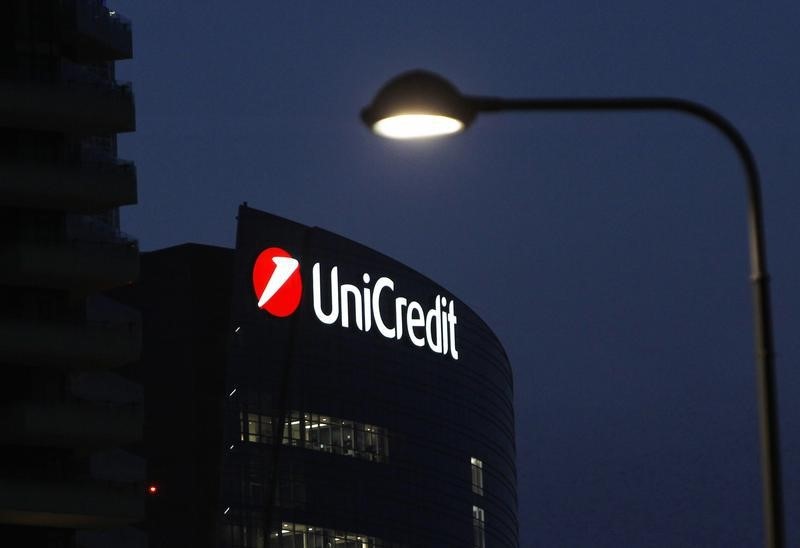
UniCredit’s formal bid for Commerzbank is being framed by analysts as a tactical move rather than a near-term takeover, with Commerzbank shares already trading about 10% above the bid terms. J.P. Morgan said UniCredit can absorb only about a 10% premium at current prices without breaching its capital threshold, while Citi sees limited tender response and no price increase at this stage. The prospect of a full takeover in the next 12 months still appears remote, with capital and valuation the main constraints.
The market is treating this as an option value event, not a clean M&A catalyst. The key second-order effect is that the bidder has effectively monetized strategic ambiguity: by nudging ownership higher without committing to an expensive full offer, it can keep the target in play while preserving balance-sheet capacity for other capital actions. That tends to cap near-term upside in the target, but it also reduces the probability of a disorderly downside because the buyer has shown willingness to defend the position.
The bigger implication is that the deal math likely forces a long waiting game. If the economics only work at a modest premium and capital constraints are binding, then any meaningful rerating in the target requires either a sharp drop in its stock, a material improvement in the buyer’s own share price, or a broader European banking re-rate that cheapens the relative cost of capital. In other words, the transaction window is less about closing a deal in the next few months and more about building a stair-step accumulation strategy over quarters.
Consensus is probably underestimating how much this benefits the bidder versus the target. The bidder can point to the stake as a call option on consolidation while still marketing itself as a standalone compounder, which is a favorable asymmetry if the sector stays bid. The target, meanwhile, faces a persistent valuation overhang: once a strategic buyer signals a ceiling, every rally invites supply from arb funds and long-only holders waiting for a higher takeout that may never come.
For the broader European banking complex, this is mildly supportive for capital-return names and mildly negative for banks seen as potential targets. The lesson is that balance-sheet flexibility is becoming more valuable than headline growth, so institutions with excess capital and cleaner payout narratives should trade better than those dependent on inorganic stories.
AI-powered research, real-time alerts, and portfolio analytics for institutional investors.
Request TrialOverall Sentiment
neutral
Sentiment Score
-0.05
Ticker Sentiment
