

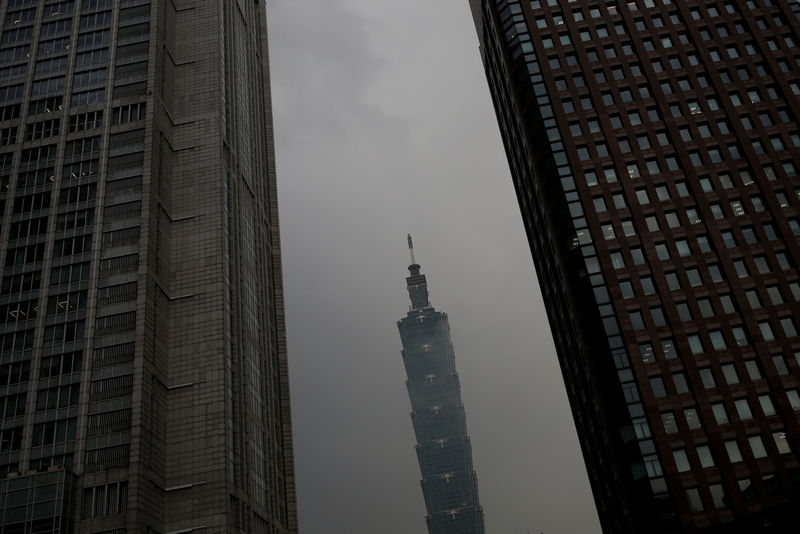
Taiwan stocks rose 2.51% to a new all-time high, with momo.com, Formosa Sumco Technology, and Cheer Time Enterprise each surging 10%. Commodity prices were broadly firmer, as July crude rose 2.83% to $89.83 and Brent climbed 2.44% to $93.34, while gold fell 1.01% to $4,546.70. The Taiwan dollar strengthened 0.27% versus the U.S. dollar to 31.34, reinforcing the risk-on tone.
The immediate macro read-through is a classic risk-off shock in oil, but the more interesting second-order effect is that the market is treating a geopolitical premium as a near-term inflation impulse rather than a demand destruction event. That matters because higher crude plus a softer USD/TWD mix is usually a toxic combination for import-sensitive Asian manufacturing margins, yet Taiwan equities are still pushing higher on domestic/AI-beta rotation. In other words, the equity tape is saying liquidity and momentum are overpowering macro headlines for now.
The biggest beneficiary is not just integrated energy but any equity with embedded leverage to shipping, petrochemicals, and feedstock tightness over the next 1-4 weeks. If the strike cycle keeps oil elevated, downstream chem and plastics margins should initially lag because input costs reprice faster than product spreads, especially for names without pricing power. The Taiwan-specific angle is that this kind of oil spike tends to hit lower-quality industrials first, while semiconductor-adjacent equipment and high-beta growth can stay bid if local currency weakness remains modest and global risk appetite does not break.
The contrarian risk is that the market is underpricing diplomacy-driven mean reversion. A headline-driven crude spike can unwind quickly if negotiations re-open, and the fast money positioning in commodities often creates a sharp 2-3 day reversal once supply disruption proves limited. That makes outright long oil less attractive than relative value exposures where the downside is cushioned if crude rolls over, while the upside persists if the geopolitical premium sticks for several weeks.
For SMCI and APP, the relevance is indirect: both are high-duration risk assets that can benefit if the market reads the situation as contained and rotates back to growth, but they are vulnerable if oil keeps climbing and real yields back up. The key variable over the next 1-2 weeks is whether this becomes an inflation scare or just another headline. If it spills into broader commodity inflation, discretionary and lower-quality cyclicals will likely de-rate before the index does.
AI-powered research, real-time alerts, and portfolio analytics for institutional investors.
Request TrialOverall Sentiment
mildly positive
Sentiment Score
0.35
Ticker Sentiment
