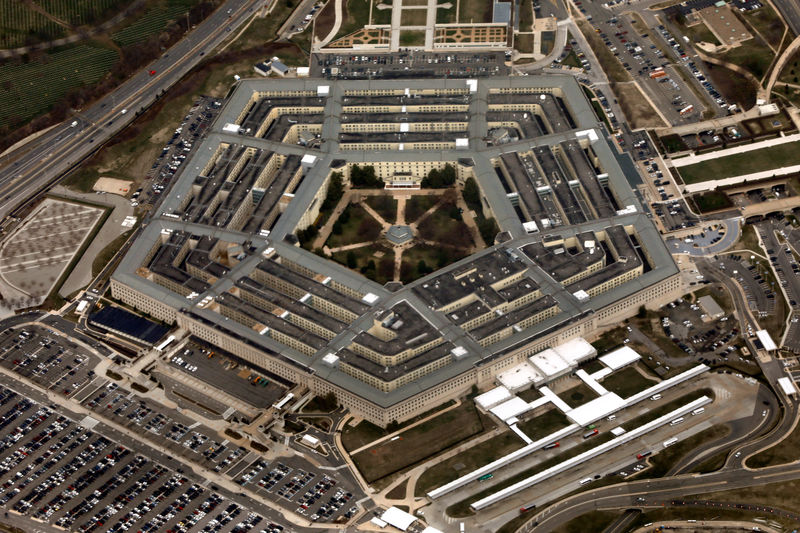
The Pentagon confirmed new AI deployment agreements with Nvidia, Microsoft, Reflection AI, and Amazon Web Services for use on classified military networks, expanding its AI vendor coalition to include SpaceX, OpenAI, and Google. The deal underscores accelerating defense adoption of AI and a strategic push toward an AI-first military posture. The news is constructive for the named technology providers but is unlikely to move the broader market materially.
The incremental value here is not just another enterprise AI logo; it is evidence that the government is becoming a structurally important buyer of frontier-model compute, inference tooling, and secure deployment stacks. That shifts bargaining power toward the firms that can meet accreditation and air-gapped/security requirements, which should favor platform incumbents over smaller model labs over time. It also broadens the moat around hyperscalers: once a cloud provider is embedded inside classified workflows, switching costs rise materially and procurement tends to follow standards adoption rather than best-model headlines.
For Microsoft, the second-order upside is less about a one-off contract and more about a deeper federal wedge that can pull through Azure, security, identity, and endpoint spend across agencies. Google’s inclusion matters because it reduces the risk that the Pentagon becomes structurally single-vendor in AI, which lowers concentration risk for the government but increases competitive pressure among hyperscalers to subsidize deployment and certification. The likely losers are point-solution vendors that cannot clear compliance hurdles, plus any cloud/AI players that lack a durable on-ramp into defense-grade workloads.
The market may be underestimating the time horizon: the first leg is sentiment and backlog optics over days to weeks, but the real monetization is months to years as contracts expand from pilots to workflows. The main reversal risk is political or operational—an AI misuse event, procurement delay, or a policy shift toward stricter guardrails could slow adoption quickly. Another hidden risk is margin dilution if these contracts are priced aggressively to win strategic positioning; near-term revenue can look good while gross margin contribution stays modest.
Contrarian angle: this is bullish for the listed hyperscalers, but potentially even more bullish for the private picks-and-shovels layer supplying secure model hosting, evaluation, and defense integration, because that is where customization and compliance premiums accrue. The consensus may be too focused on model quality and not enough on deployment friction; in regulated workflows, the best-integrated stack often wins even if it is not the best raw model. That argues for staying long the platforms, but fading any knee-jerk assumption that every AI defense win translates into immediate earnings upside.
AI-powered research, real-time alerts, and portfolio analytics for institutional investors.
Request DemoOverall Sentiment
mildly positive
Sentiment Score
0.20
Ticker Sentiment
