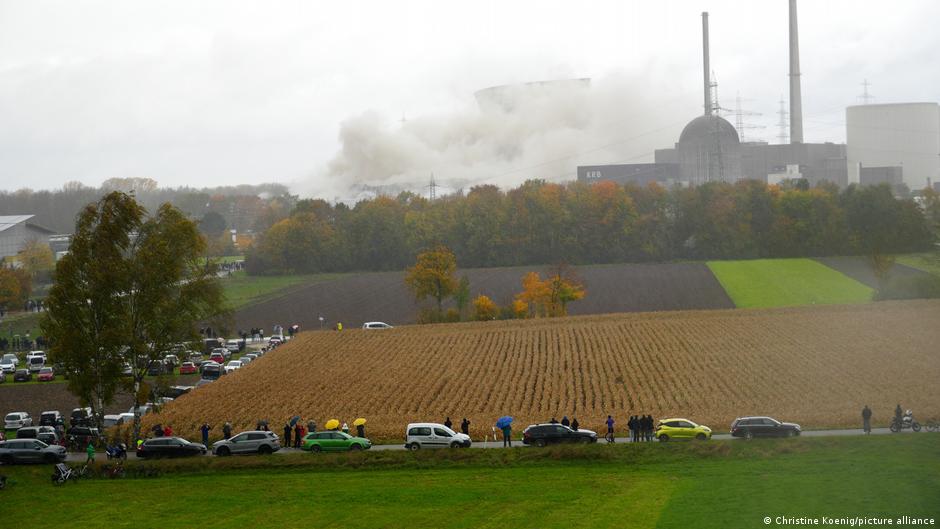
Key event: Germany permanently shut its last nuclear reactor in 2023; historically 37 reactors supplied up to 30% of German electricity. EU Commission President von der Leyen announced new financial support and urged a return to nuclear, while France (which operates 57 reactors) is leading a 15-state pro-nuclear group. In Germany, Chancellor Friedrich Merz and the SPD oppose reversing the phased exit and RWE’s CEO says SMRs are not currently financially viable for private investors, making a policy reversal unlikely and limiting near-term market impact.
Germany’s political gridlock creates a durable structural mismatch: policy inertia at home means incremental EU nuclear CAPEX will be geographically concentrated outside Germany, compressing the addressable market for German suppliers and shifting order flow to incumbent French and North American vendors. Expect large EPC/major-supplier wins to be lumpy and backloaded — material contract awards and balance-sheet recognition will likely show up in vendor orderbooks 12–36 months after formal subsidy/guarantee programs are finalized.
SMRs remain a debated technology but the practical constraints are financing, fixed-price delivery commitments, and regulatory harmonization; absent sovereign-of-take guarantees, commercialization will be vendor-led and concentrated among firms with existing navy/defence/manufacturing footprints. That dynamics favors publicly listed engineering and fuel-cycle firms with long-term government contract access, while many pure-play SMR names face binary outcomes (win a program or languish) over a 2–5 year horizon.
Key catalysts to watch are (1) EU-level subsidy frameworks and guaranteed-offtake mechanisms — announcements will reprice suppliers within 3–12 months, and (2) an energy-supply shock (e.g., a sustained gas disruption) that could compress political resistance and accelerate near-term procurement. Tail risks include large program cost overruns or a coordinated ESG divestment wave that restricts financing for new nuclear projects; either would make the investment payoff much more binary and increase short-term volatility by 30–60% around headline events.
AI-powered research, real-time alerts, and portfolio analytics for institutional investors.
Overall Sentiment
neutral
Sentiment Score
0.00
