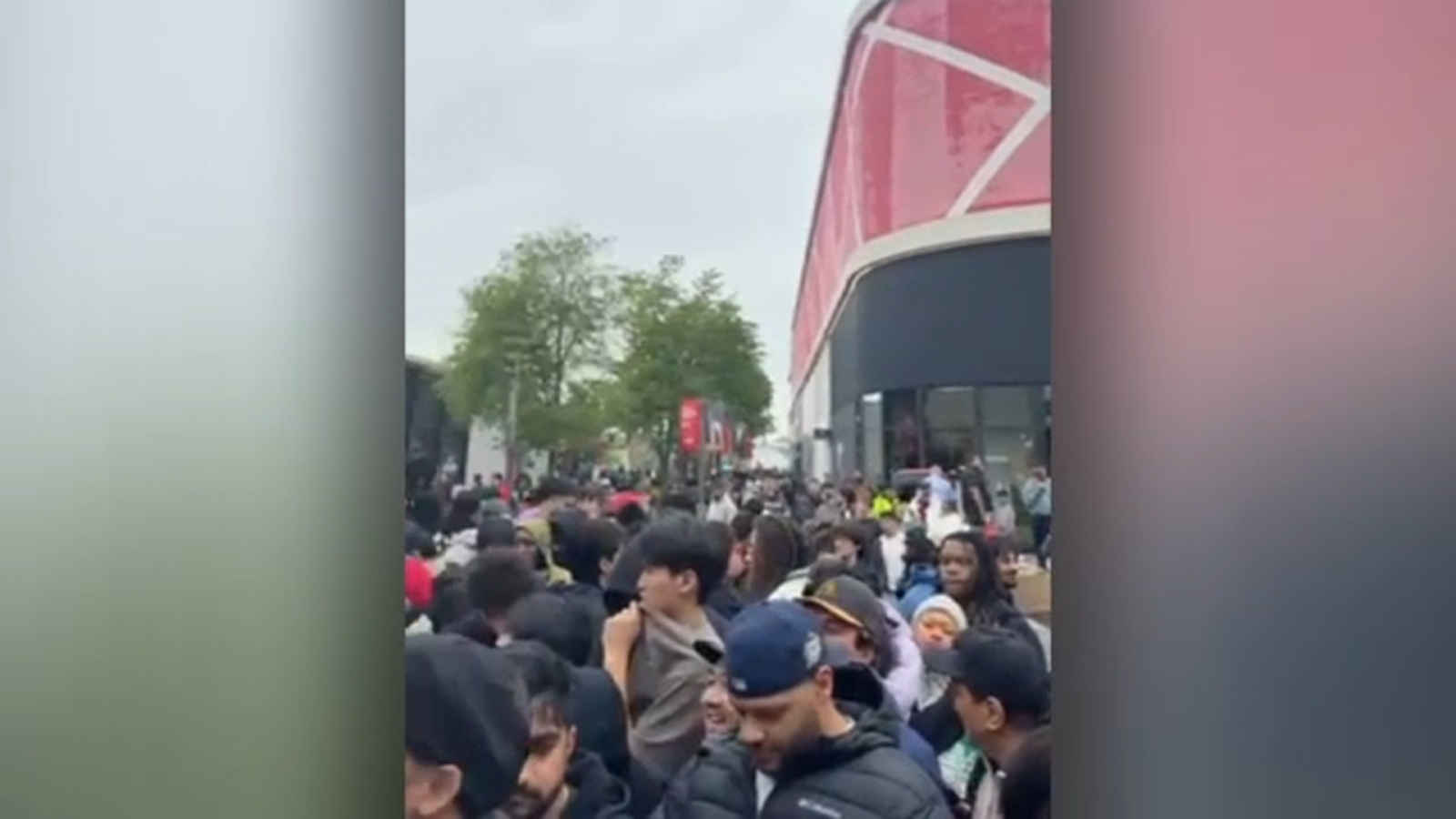
Hundreds of shoppers lined up for Swatch’s AP x Swatch Royal Pop Collection launch in the Chicago area, prompting the Oak Brook store to close for the day due to crowding and safety concerns. The pocket watches retail for around $400 but are reportedly reselling for over $1,000, signaling strong initial consumer demand. Swatch said the collection will remain available for several months, though sales may be paused where queues exceed 50 people.
This is a classic scarcity-marketing signal, but the more important read-through is that the brand has successfully created a resale price floor above the retail price on day one. That usually supports perceived exclusivity for the collaboration, but it also shifts value capture from the manufacturer to secondary sellers unless the company actively manages allocation, replenishment cadence, and anti-bot controls.
The immediate winner is the broader luxury-watch ecosystem, not necessarily the collab partners alone. If consumers can buy a $400 novelty piece and flip it for 2-3x within hours, that reinforces trophy-asset behavior and can increase traffic for entry-level luxury, grey-market dealers, and marketplaces that monetize transaction velocity. The loser is the primary channel: stores absorbing crowd-control costs, operational disruption, and potential brand damage if access is seen as arbitrage-driven rather than customer-led.
The second-order risk is that this kind of event can become self-defeating if the brand over-responds. A prolonged queue or repeated sellouts can boost awareness over weeks, but once the product is widely available for months, the scarcity premium can decay quickly and resale pricing can collapse, leaving late buyers holding the bag. That makes the relevant horizon days-to-weeks for sentiment, but months for whether the collaboration actually expands the core customer base.
Contrarian view: the market may be overestimating the durability of the hype signal. If supply is not truly constrained, the resale premium is mostly a timing artifact, and that often front-loads demand rather than creating incremental long-term brand equity. The more actionable implication is that this is a marketing efficiency test: if the brand can convert headline attention into repeat purchase behavior after the craze fades, that matters more than the initial stampede.
AI-powered research, real-time alerts, and portfolio analytics for institutional investors.
Request DemoOverall Sentiment
neutral
Sentiment Score
0.08
