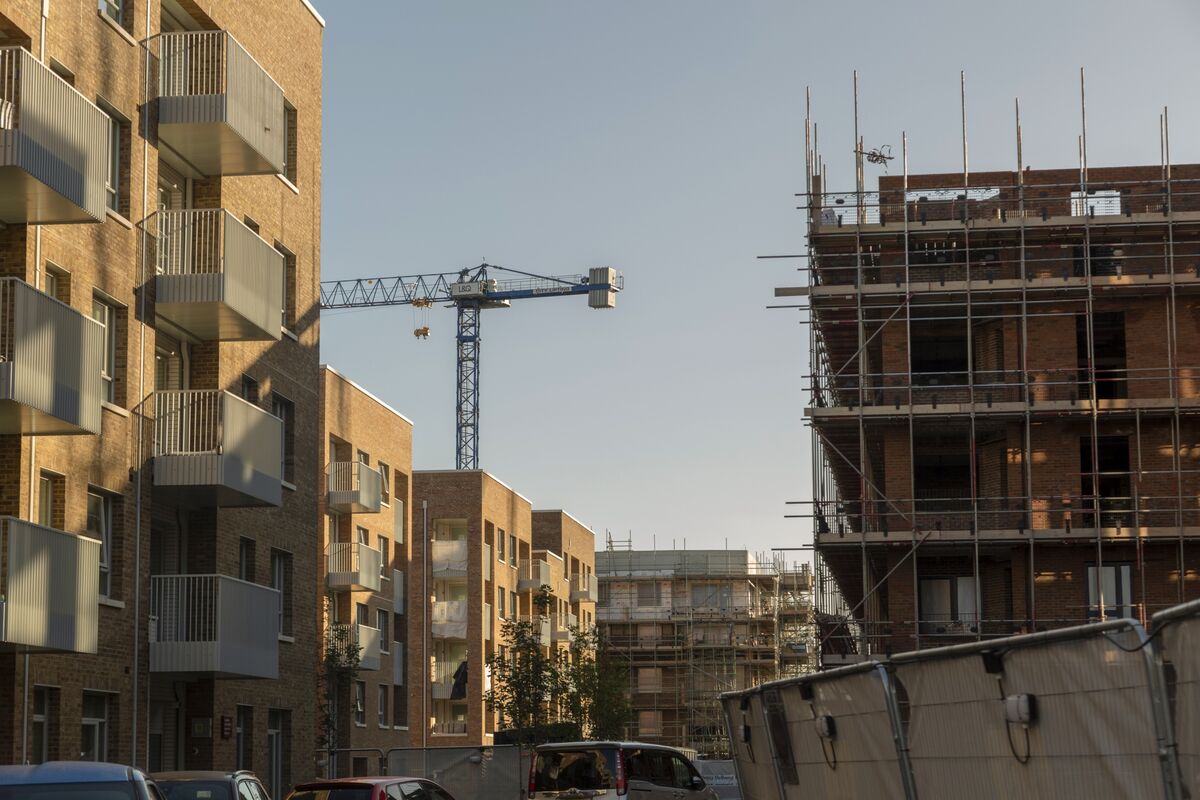
A forecast by Molior London projects that active home construction in London could slump to just 15,000-20,000 units by early 2027, representing a quarter of pre-pandemic levels, following a collapse in sales to a 15-year low. This significant downturn, absent major government intervention, signals a severe contraction in the capital's residential development sector.
Molior London forecasts a severe contraction in London's residential construction, projecting active homebuilding to fall to 15,000-20,000 units by early 2027. This represents a substantial 70-75% decline from the 60,000-65,000 units observed in the five years leading up to 2020, driven by new home sales collapsing to a 15-year low. The forecast assumes no major government intervention, highlighting a significant structural challenge.
This projected slump indicates a profound deterioration in the capital's housing supply pipeline, reducing construction to approximately a quarter of pre-pandemic levels. Such a prolonged period of subdued activity will negatively impact developers, associated industries, and the broader London economy. The strongly negative sentiment and moderate market impact score reflect the severity of this outlook.
The slowdown in London's homebuilding sector carries significant implications for the broader UK economy, particularly for construction companies, material suppliers, and financial institutions with real estate exposure. This trend could exacerbate existing housing shortages in London, potentially impacting long-term affordability and economic growth prospects.
AI-powered research, real-time alerts, and portfolio analytics for institutional investors.
Request DemoOverall Sentiment
strongly negative
Sentiment Score
-0.75
