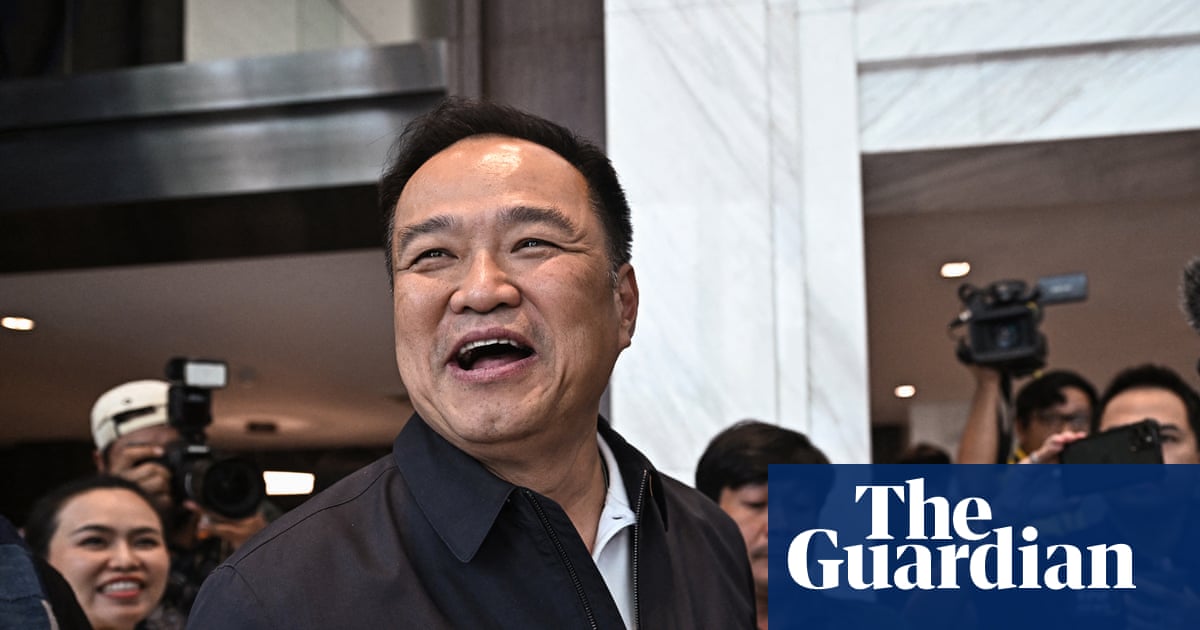
Anutin Charnvirakul, leader of Thailand's Bhumjaithai party, is poised to become the next prime minister, having secured crucial backing from the People's Party. This support is contingent on Anutin agreeing to dissolve parliament within four months and commit to constitutional reform, potentially via a referendum, though the People's Party will not join his government. This development follows significant political turmoil, including the recent removal of former Prime Minister Paetongtarn Shinawatra by the constitutional court, which has frequently intervened in Thai politics, underscoring ongoing instability and the potential for new elections.
The Thai political landscape is defined by acute instability and systemic uncertainty, with the prospective premiership of Anutin Charnvirakul representing a fragile, short-term compromise rather than a durable resolution. While Anutin has secured the necessary backing from the opposition People's Party, this support is contingent upon dissolving parliament within four months and initiating constitutional reform. This arrangement underscores a deep political schism, where the largest party by seat count is unable to govern due to judicial intervention and is instead acting as a reluctant kingmaker to force new elections. The recent ousting of Prime Minister Paetongtarn Shinawatra by the constitutional court, a recurring pattern in Thai politics, highlights a significant structural risk for investors, where legal and judicial actions can abruptly overturn electoral outcomes and political leadership. This persistent turmoil, reflected in the strongly negative sentiment score, suggests a prolonged period of policy paralysis and a focus on constitutional disputes over economic management, creating a challenging environment for capital allocation.
AI-powered research, real-time alerts, and portfolio analytics for institutional investors.
Overall Sentiment
strongly negative
Sentiment Score
-0.60
