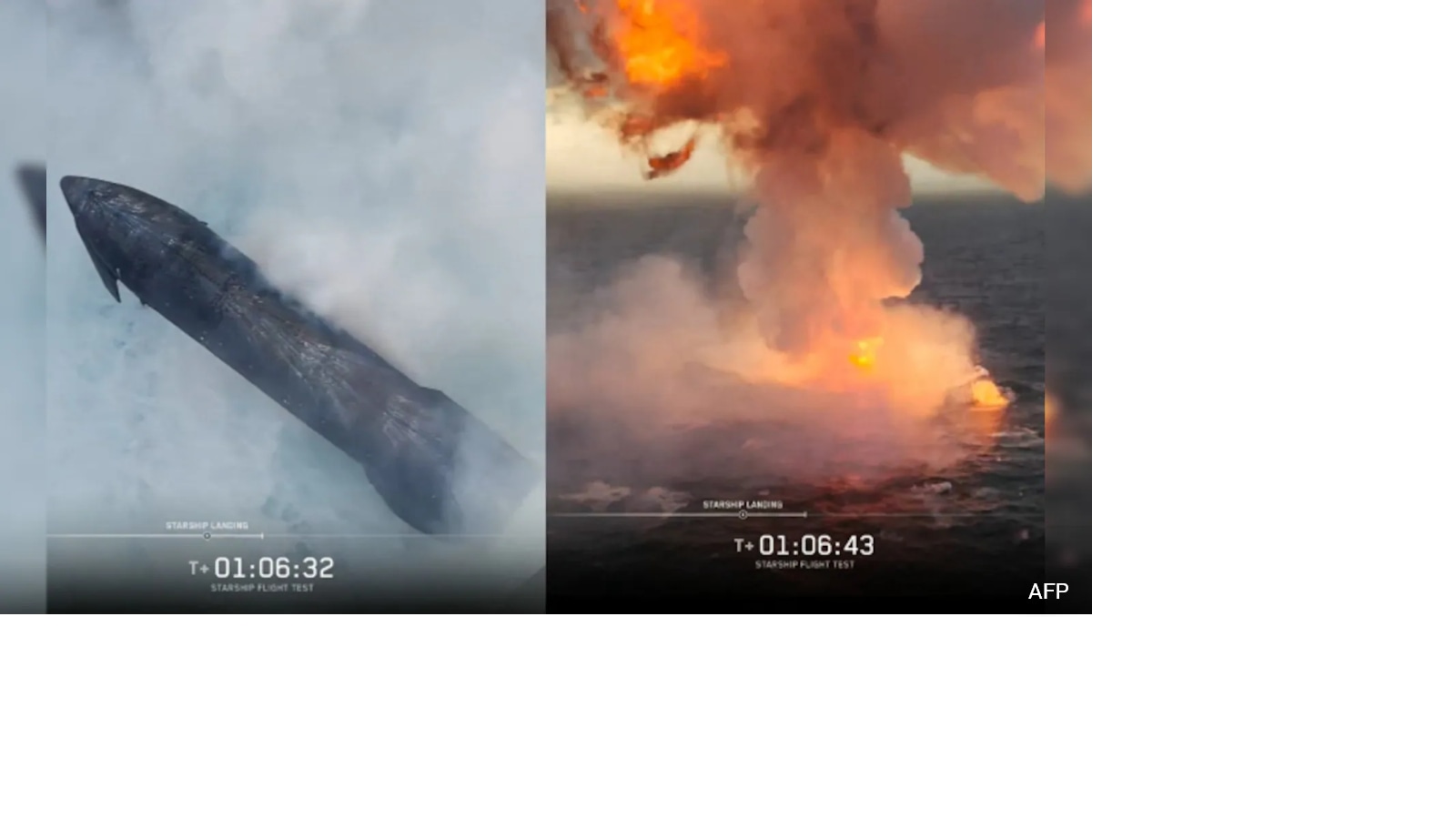
SpaceX's 12th Starship test flight was mostly successful, with the spacecraft splashing down in the Indian Ocean as planned and demonstrating key maneuvers despite an engine malfunction. The Super Heavy booster failed its boost-back burn and fell uncontrolled into the Gulf of Mexico, but the company said it did not plan to recover it. The result supports SpaceX's launch development program and comes as the company prepares for a potentially record IPO and continues work tied to NASA's Artemis lunar mission.
The market should read this as validation of a manufacturing- and cadence-upgrade story, not a clean technical pass. The key second-order effect is that the company is proving it can absorb subsystem failures and still hit core mission objectives, which meaningfully de-risks timeline-driven valuation for the private-round and eventual public equity story. That matters because IPO pricing will likely anchor more on execution resilience and launch cadence than on perfect mission outcomes.
The near-term beneficiaries are not just the prime contractor ecosystem, but also the downstream lunar and launch-adjacent supply chain: thermal protection, avionics, ground support, and high-reliability propulsion vendors all gain if the test regime accelerates from “one every several months” to “multiple iterations per quarter.” Conversely, competitors with slower development loops face a widening credibility gap; the real loser is any rival whose capital intensity depends on a stable schedule but cannot demonstrate rapid design iteration. The bigger implication is that NASA and defense customers may become more willing to dual-source around the platform if they believe the program is entering a more predictable burn-down phase.
The contrarian risk is that investors may be over-discounting the amount of work still required before revenue contribution from the lunar architecture becomes actionable. A partially successful flight reduces technical skepticism, but it does not compress the certification, integration, and human-rating timeline enough to matter for 12-18 month earnings. If a future test exposes instability in booster recovery or orbital precision, sentiment could retrace quickly because the current narrative is already priced for accelerating progress.
AI-powered research, real-time alerts, and portfolio analytics for institutional investors.
Request DemoOverall Sentiment
mildly positive
Sentiment Score
0.45
