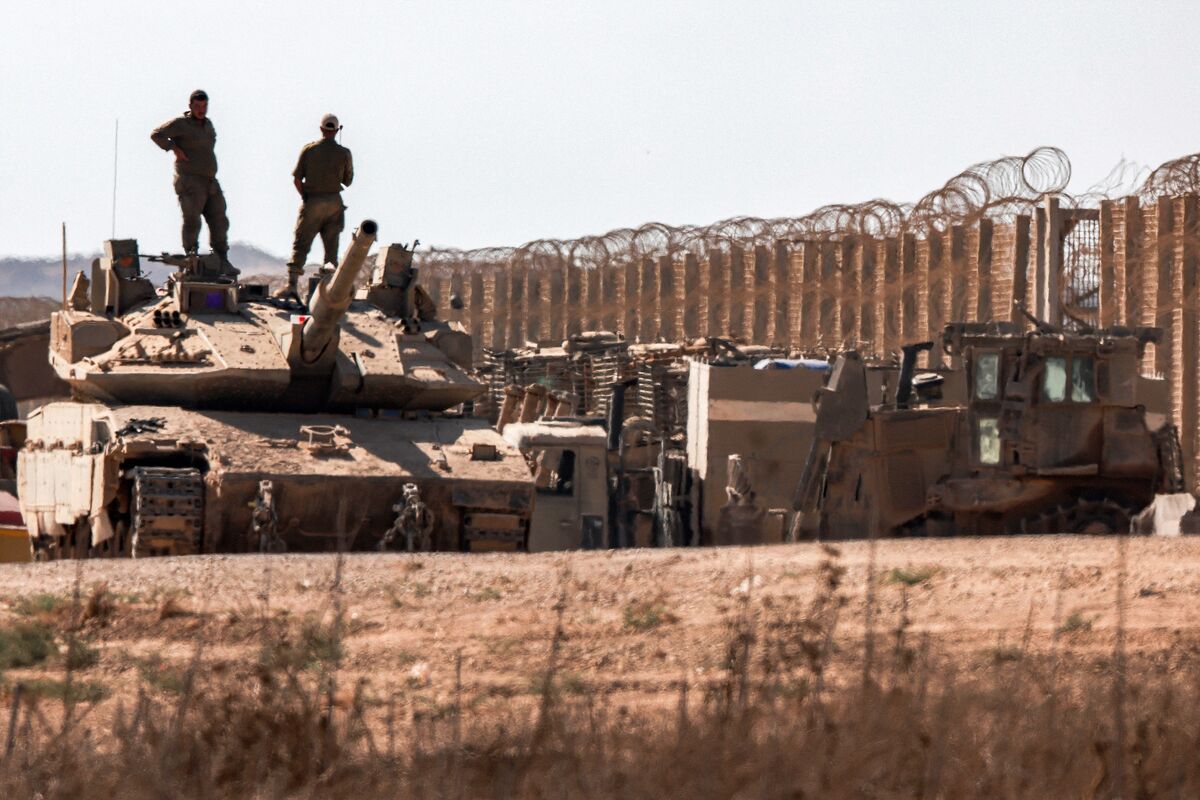
Israel is escalating efforts toward a Gaza City takeover this month, mobilizing tens of thousands of reservists and planning to displace 1 million Palestinians, despite significant global and growing internal opposition. This mid-September operation, aiming to storm the city center, heightens concerns regarding humanitarian impact and military strain, carrying potential implications for regional stability and geopolitical risk.
Israel is preparing for a significant military escalation with a planned takeover of Gaza City in mid-September, a move supported by the mobilization of tens of thousands of army reservists. This operation, which includes a strategy to displace one million Palestinians, is proceeding despite considerable global opposition and a United Nations body's declaration of famine in the region. Critically, opposition is also mounting internally within Israel due to the immense strain on the military and rising concerns for the safety of both troops and hostages. The high market impact score of 0.7, coupled with a strongly negative sentiment score of -0.8, underscores the event's potential to inject substantial volatility into global markets by elevating geopolitical risk in the Middle East. The confluence of international condemnation and domestic dissent creates a highly unpredictable environment, with the mid-September timeline serving as a key catalyst for investors to monitor.
AI-powered research, real-time alerts, and portfolio analytics for institutional investors.
Request DemoOverall Sentiment
strongly negative
Sentiment Score
-0.80
